The secret behind the evening colors
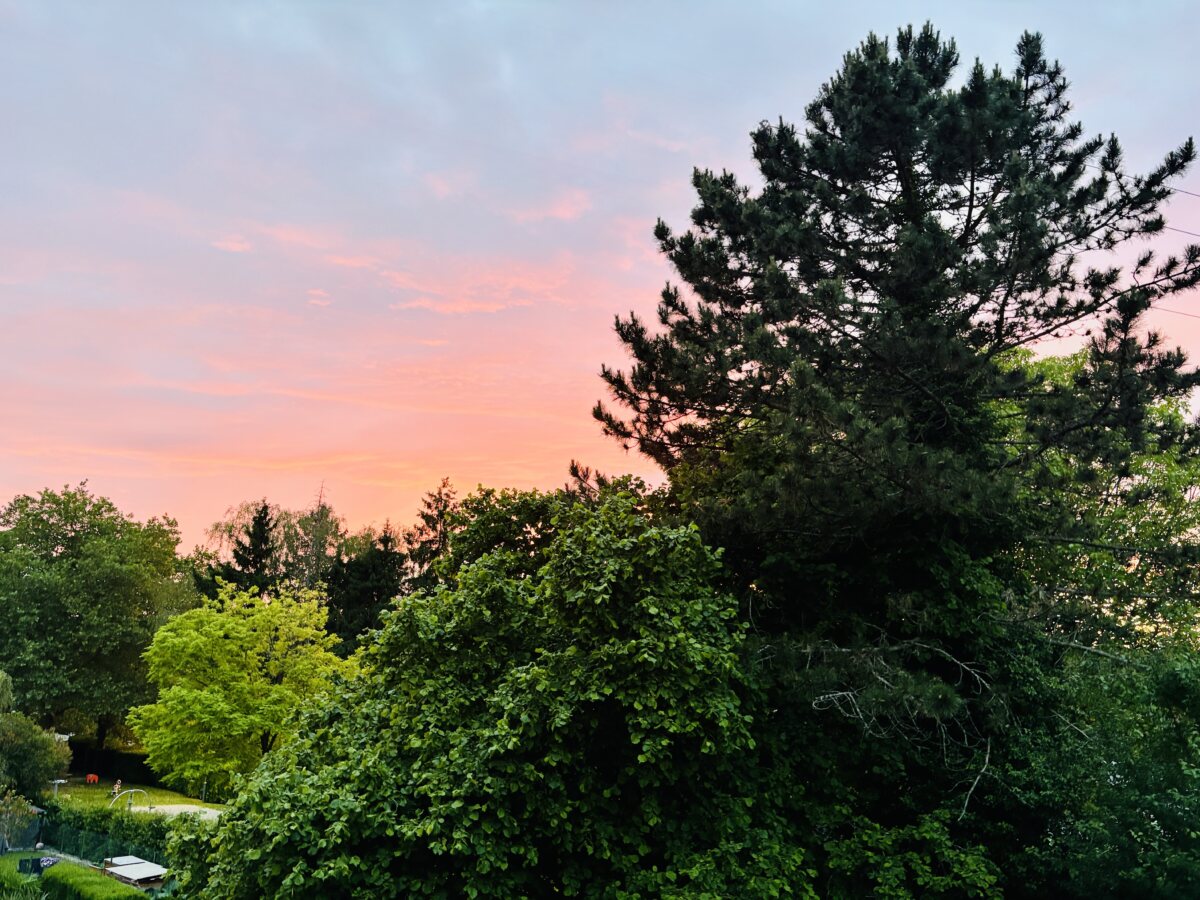
Everyone loves a dramatic pink sky at the end of a long day. It makes for great photos and immediately floods social media feeds with dramatic sunsets. Most people assume the sky is simply showing off its artistic talents for our entertainment.
The real reason for these vivid pinks and oranges is actually basic physics. It all comes down to how sunlight travels through the thick layers of air surrounding our planet. When the sun sits high in the sky during the day the atmosphere looks completely blue. As evening arrives the entire light show changes its rules completely.
The genius of Rayleigh scattering
The scientific term for this colorful phenomenon is Rayleigh scattering. Sunlight looks clear to our eyes but it is actually made of all the colors of the rainbow. Each color travels in different wavelengths. Blue and violet light travel in very short waves while red and pink light travel in much longer waves.
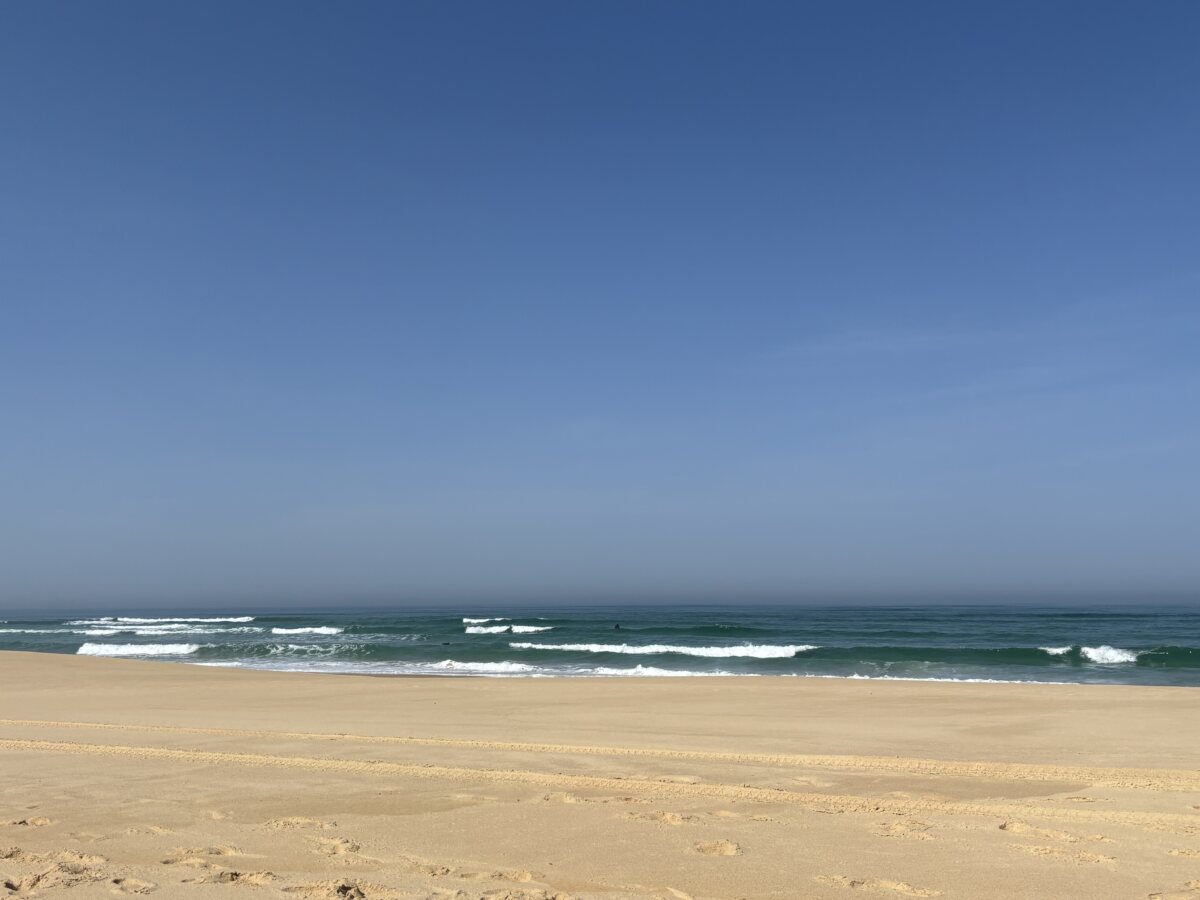
During the middle of the day sunlight takes a very direct path down to the ground. The short blue waves bounce off air molecules in every direction and make the sky appear blue. At sunset the sun sits at a very low angle on the horizon. The light has to travel through a much thicker path of atmosphere to reach your eyes.
Filtering out the blues to reveal the pinks
Because the light travels through so much extra air on its way down the short blue waves get completely scattered away before they reach you. They bounce around and disappear into space. This leaves behind the longer wavelengths like deep red orange and soft pink to pass through directly.
If the air is clean and the angle is just right the sky transforms into a massive pastel paradise. It is essentially a process of atmospheric elimination. The blue light gets tired and drops out of the race early while the pink light finishes strong right into your camera lens.
How clouds and moisture boost the drama
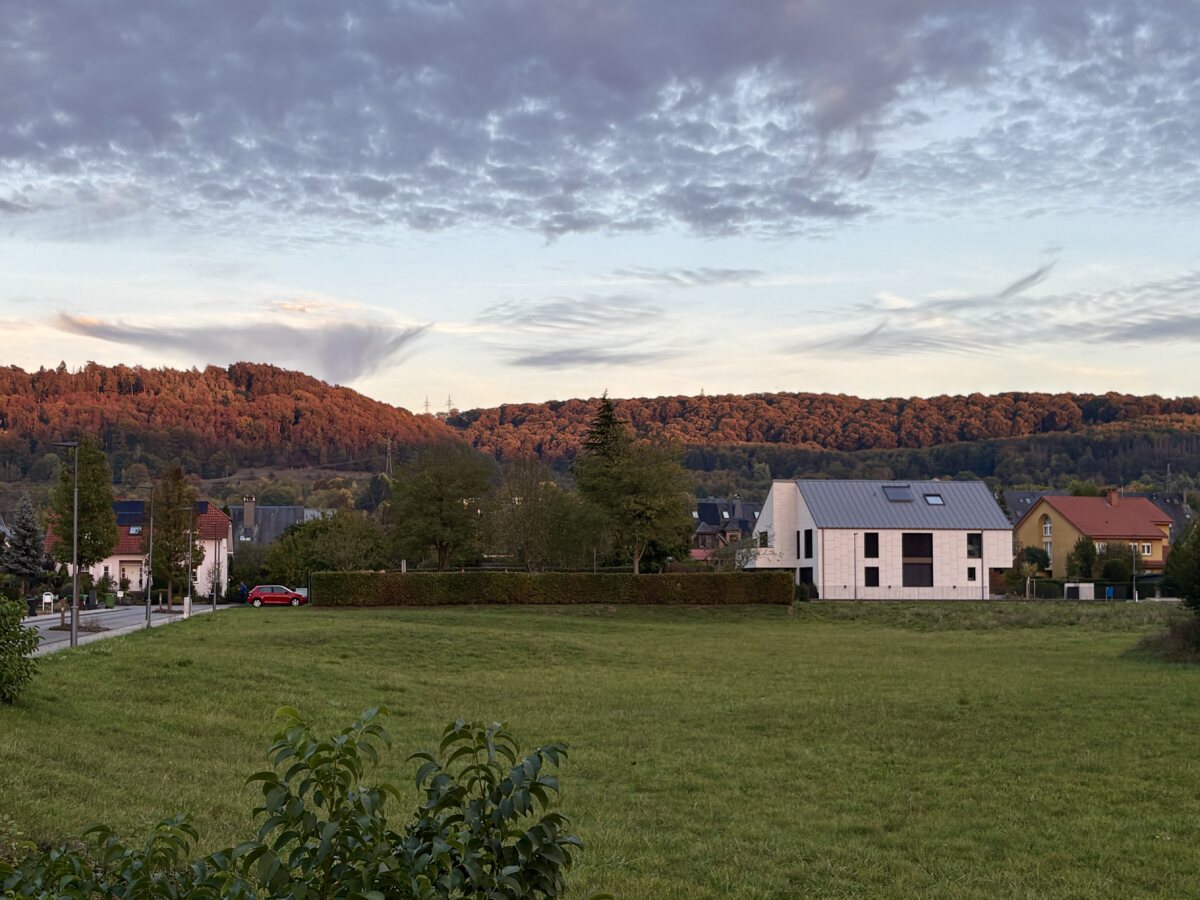
The intensity of these colors depends heavily on what else is floating around in the atmosphere. High altitude clouds act as giant natural mirrors that catch the low angle sunlight. They bounce the warm pink tones back down to the ground to make the colors look even brighter.
Humidity and small particles in the air also play a massive role in the final show. A little bit of atmospheric moisture or light dust can scatter the light even further. This turns a simple sunset into a brilliant explosion of deep magenta. Nature basically uses air pollution and water droplets to put on its best visual performance.