A grand home for island administration
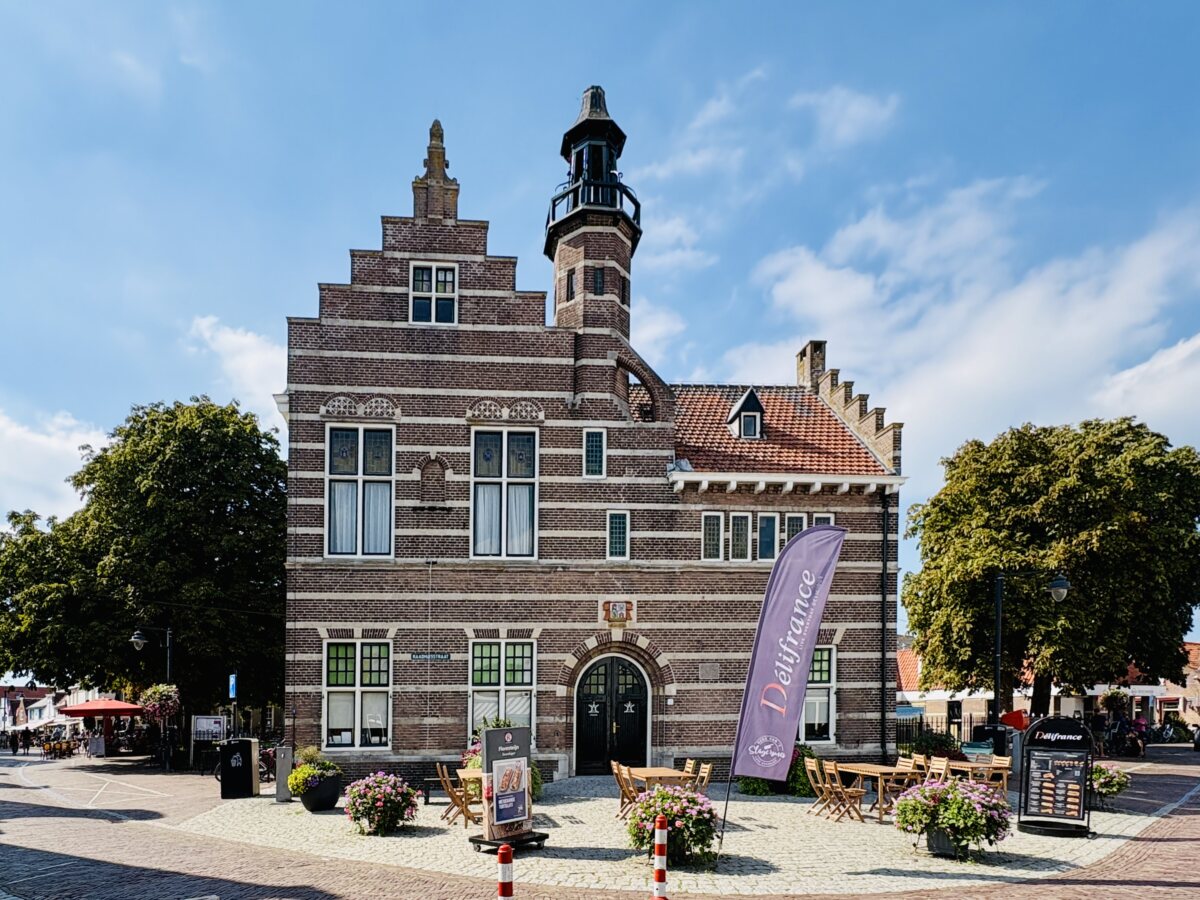
Standing proudly in the center of Ouddorp on Raadhuisstraat is the Oude Raadhuis. Built in 1904, this striking Dutch Renaissance style building originally served as the administrative heart of the local island community. It was the place where local politicians made important decisions and citizens dealt with their official paperwork.
The building features typical Dutch Renaissance touches like decorative stepped gables and fine stonework around the windows. It was designed to look dignified and important without being completely over the top. Today it stands as one of the most recognizable historic landmarks in the center of town.
Why the Dutch build everything with unpainted red bricks
Foreign visitors often wonder why nearly every building in the Netherlands is made of unpainted red brick. The explanation comes down to basic geology and practical Dutch economics. The country is essentially a giant river delta packed with soft mud and rich clay, but completely lacking in natural building stone.
Locals quickly mastered the art of baking river clay into extremely durable red bricks in local kilns. Leaving these bricks raw and unpainted was not a design choice, but a practical one. Bare brick handles damp coastal weather effortlessly, allows walls to breathe and requires zero maintenance for centuries. Painting them would simply create an endless chore of peeling paint and extra cost.
From town hall to local history museum
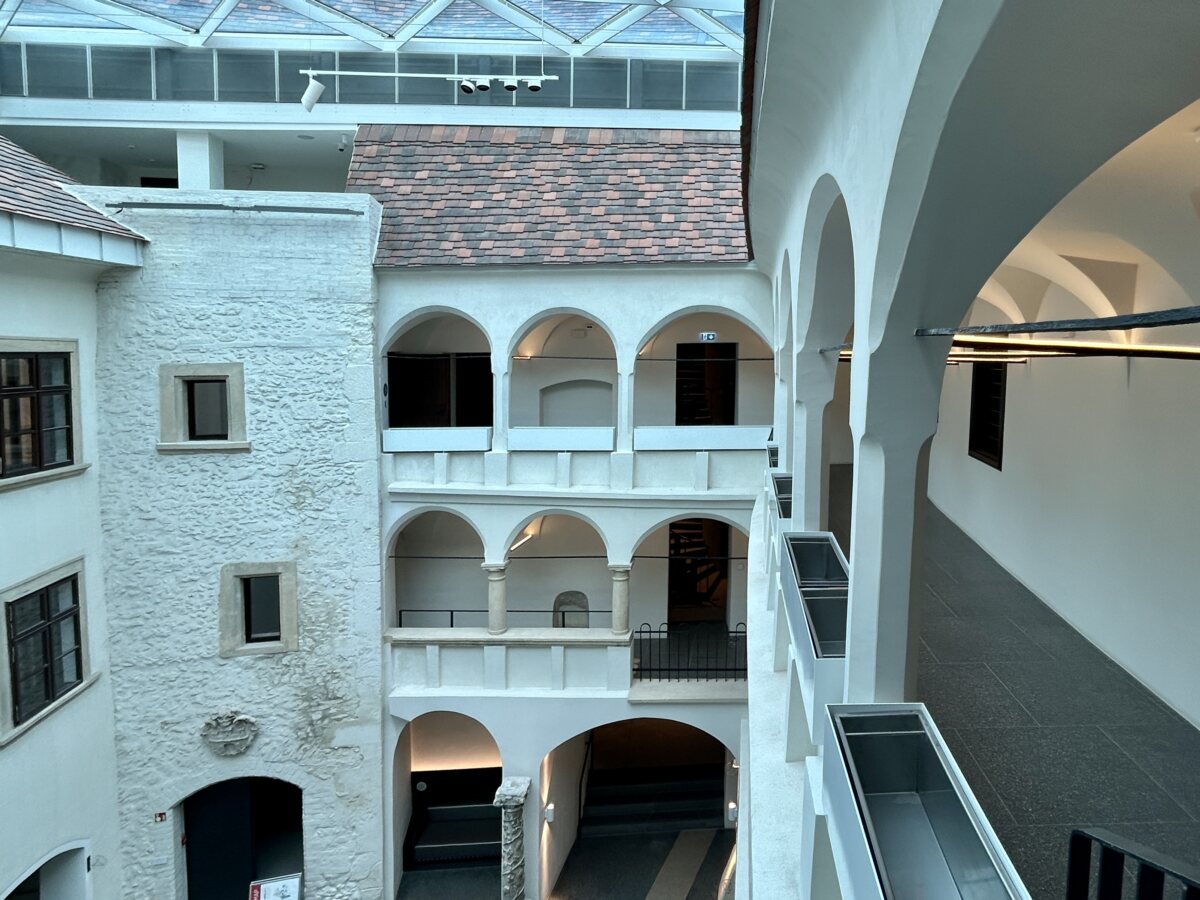
While local politicians have long since moved on to modern offices, the Oude Raadhuis remains full of life. Today the historic structure houses Museum Ouddorp, dedicated to preserving the rich culture of Goeree-Overflakkee. Stepping inside allows visitors to explore the long and eventful story of the surrounding region.
The museum features fascinating archaeological displays packed with ancient local discoveries. You can examine artifacts unearthed from the old Roman harbor, the historical Motteheuvel and the long lost Spreeuwenstein Castle. It offers a clear look back at life on the island over two thousand years ago.
Emigrants, ocean floods and a side of croissants
Inside the former council chamber, a special exhibition tells the stories of local villagers who left Ouddorp to seek their fortunes abroad. Another major section focuses on the local maritime past, highlighting fishing traditions and the devastating flood disaster of nineteen fifty three. Interactive touchscreens and detailed ship models make the water history come alive for visitors of all ages.
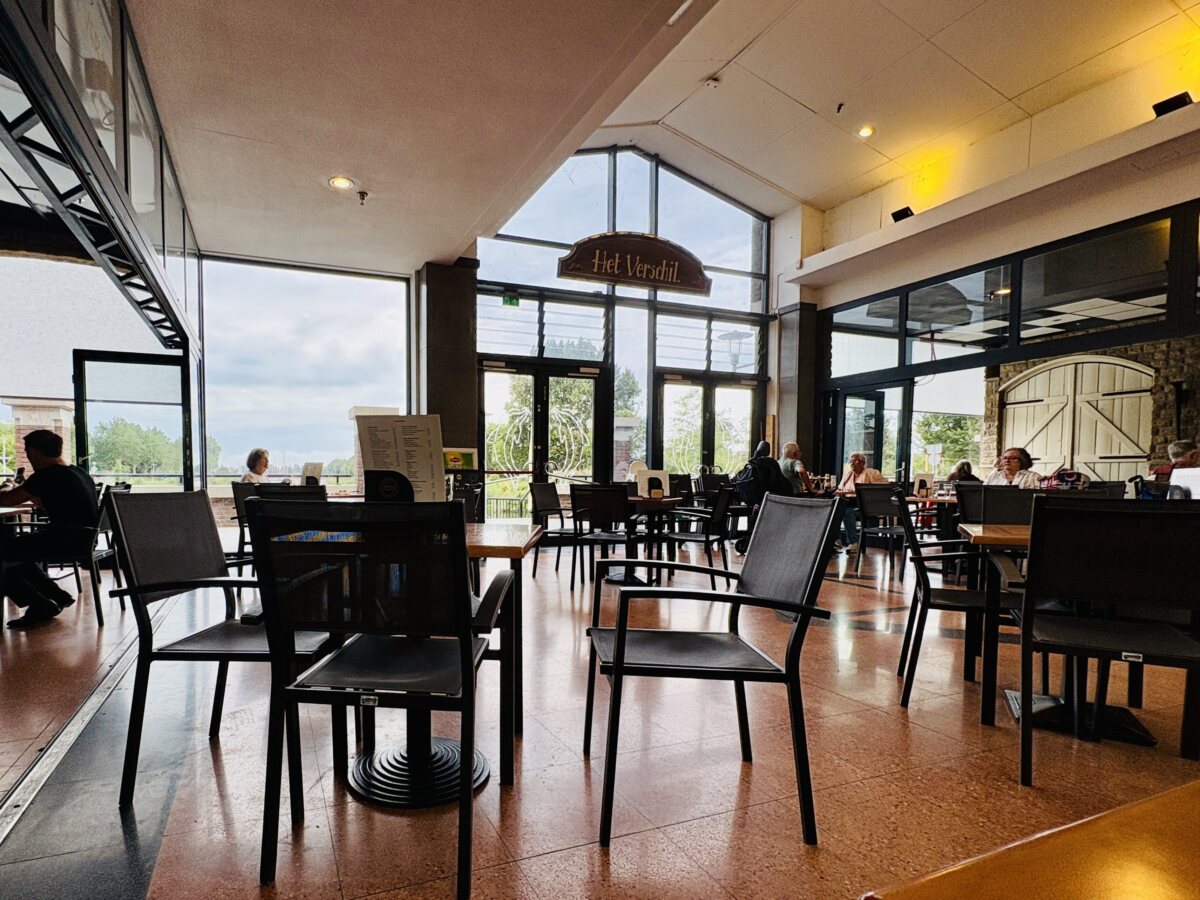
Once you finish absorbing all that regional history, you can head straight down to the ground level. A Délifrance lunchroom and bakery operates inside the building with a sunny outdoor terrace. Enjoying a hot French croissant inside a hundred year old Dutch town hall is perhaps a bit ironic, but it makes for a very satisfying pit stop.