A massive sheltered lagoon on the Atlantic coast
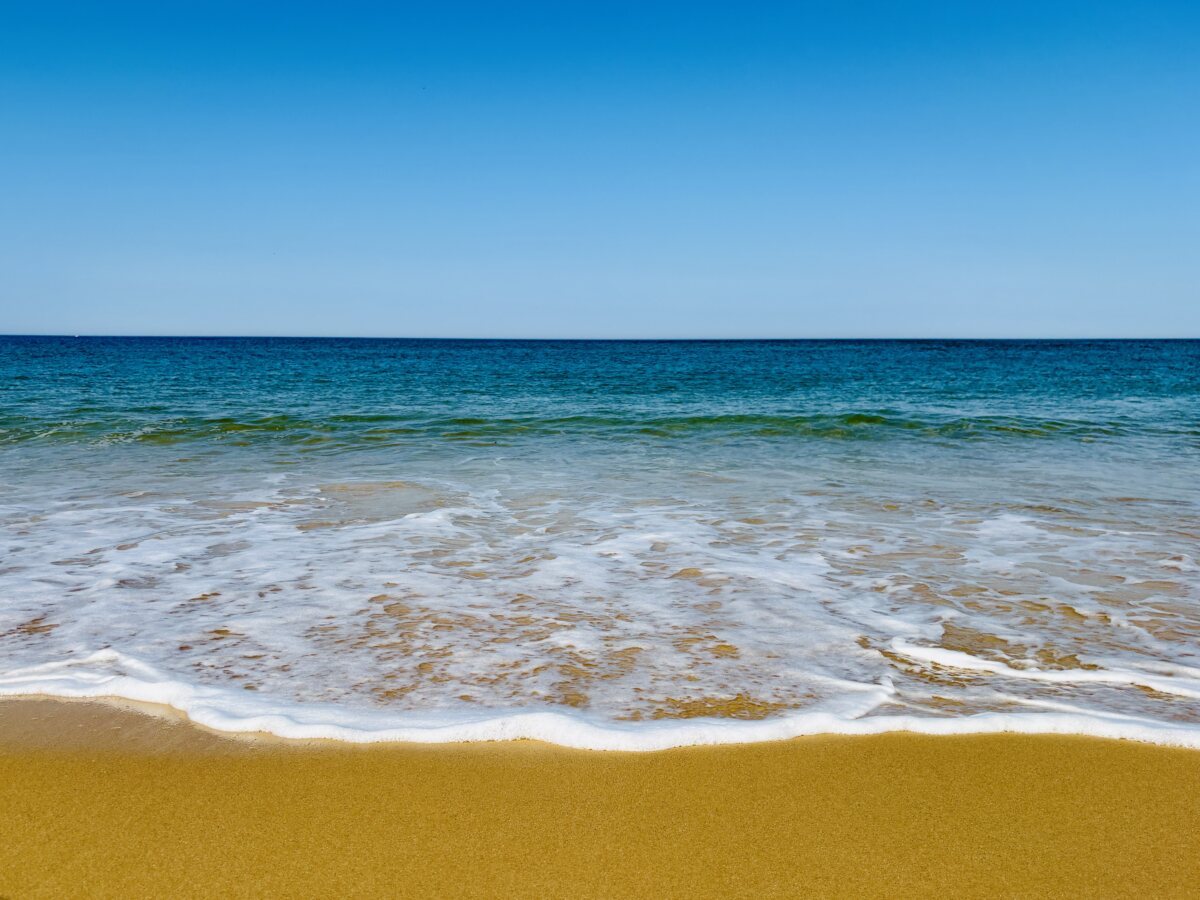
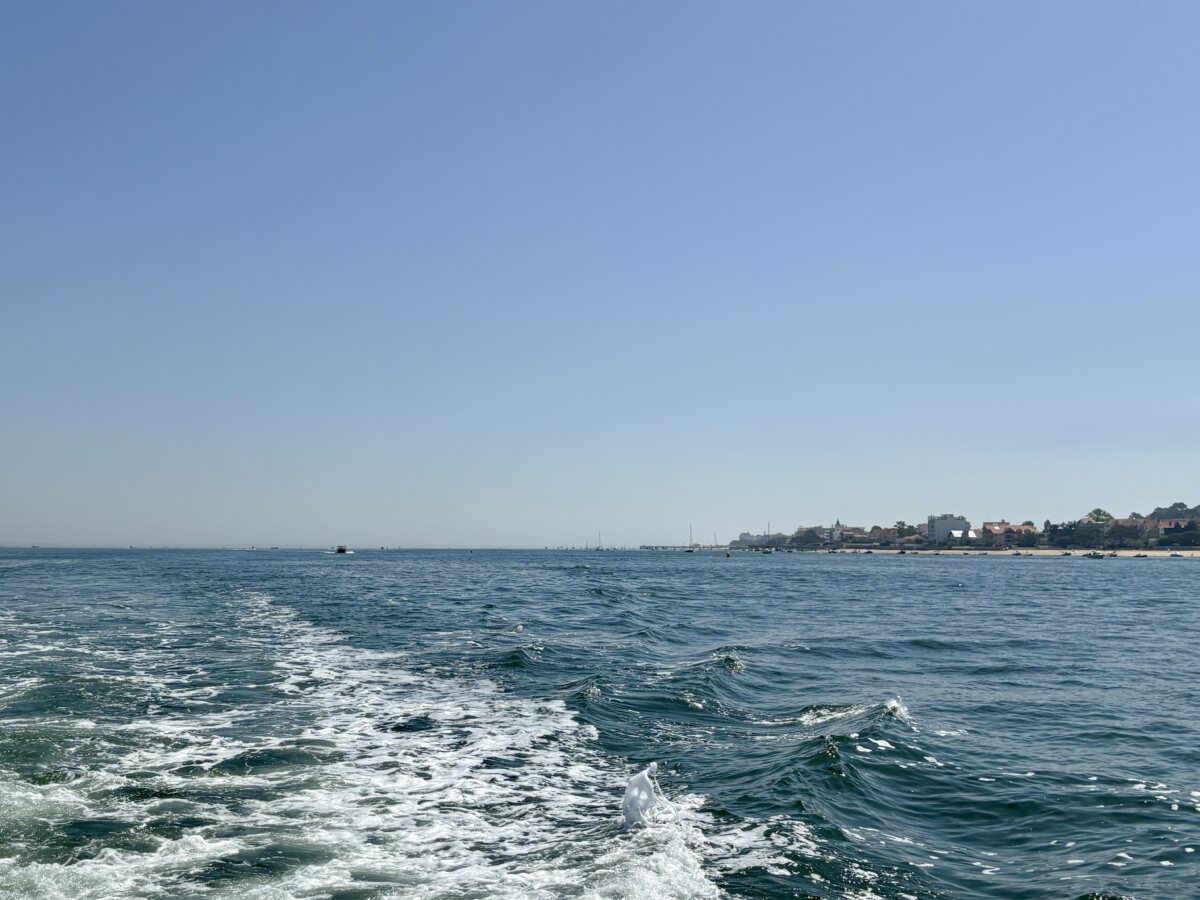
Taking a boat trip across the Bay of Arcachon is one of the most popular activities in southwestern France. The bay covers a massive area of around one hundred and fifty square kilometres at high tide. It looks like a giant inland sea surrounded by pine forests golden beaches and famous oyster farming villages.
Despite being directly attached to the fierce Atlantic Ocean the waters inside the bay remain surprisingly calm. It provides a peaceful playground for sailors sightseers and local fishermen. You can glide across the surface without worrying about the massive swells pounding the open coast outside.
Nature built a giant wave breaker
The secret behind these gentle conditions is the famous Cap Ferret peninsula. This long strip of land reaches down from the north to act as a giant natural shield. It blocks the brutal ocean winds and intercepts huge Atlantic waves before they can enter the inner basin.
In addition to the peninsula shifting sandbanks at the entrance of the bay churn up incoming swells. These shallow underwater barriers force big waves to lose their energy miles away from the quiet inner channels. Nature basically installed a free harbor wall that never needs maintenance.
Surprisingly small waves inside the basin
Because of these natural barriers the waves inside the bay are remarkably small. On a typical sunny day the water surface features little more than gentle ripples or tiny waves under thirty centimetres high. It feels more like cruising on a large serene lake than navigating an ocean inlet.
This makes boat trips very comfortable for people who usually get seasick at the mere thought of open water. You can sip a glass of local white wine on deck without fearing a sudden surge will throw your glass overboard. It is water sports with maximum comfort and minimal drama.
Navigating shifting sands and shallow channels
While the waves are tiny the bay is certainly not without its nautical challenges. The tide moves an enormous amount of water in and out of the narrow mouth twice a day. Shallow sandbanks shift constantly making navigation a bit tricky for inexperienced captains.
When the tide goes out vast mudflats and oyster beds emerge from the receding water. Boats must stick strictly to marked channels to avoid getting stuck in the sand for six hours. As long as your captain knows the tide tables sailing here is a smooth and delightful ride.