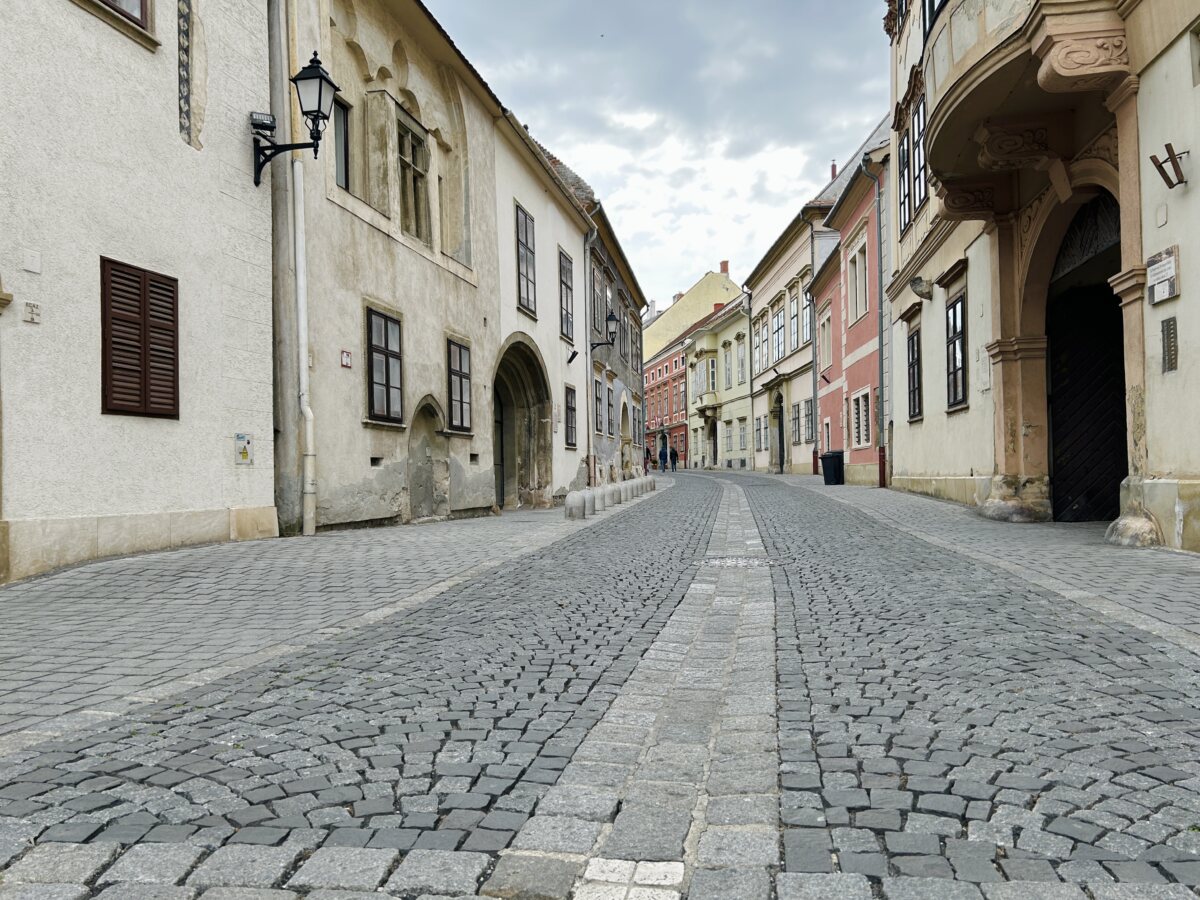
The ancient pavement that refuses to die
Modern road builders spend millions laying down fresh asphalt only for it to crack after two cold winters. Meanwhile ancient cobblestone streets built thousands of years ago are still holding up remarkably well. These bumpy stone paths were the original high tech answer to muddy cart tracks.
The technique of paving roads with rounded natural stones was a brilliant leap forward for early urban planning. It transformed swampy dirt paths into durable trade routes that could handle heavy wooden wheels. It also ensured that pedestrians did not lose their boots in thick mud every time it rained.
Roman foundations under Hungarian feet
The historic town of Sopron in Hungary offers a fantastic real world example of this ancient road construction. Long before it became a picturesque tourist hub, the town was a flourishing Roman settlement named Scarbantia. The Romans were absolute fanatics when it came to organized road networks.
They paved the famous Amber Road which passed directly through the heart of Scarbantia. Roman engineers laid down heavy stone paving over carefully compacted layers of gravel and sand. Their clever design allowed rainwater to drain away naturally between the stones. People are still walking on those same historic routes through the Old Town today.
Why cobblestones survived the centuries
Building a proper cobblestone street was backbreaking work that required real skill. Masons hand picked individual stones and fitted them together tightly like a massive jigsaw puzzle. They packed loose sand into the joints rather than rigid mortar.
This flexible structure was the true secret to their incredible durability. When heavy cartwheels pressed down on the stones the surface shifted slightly without cracking. The road could easily absorb ground movement and winter frost. It was an exceptionally clever engineering system created long before computers and concrete.
Charming for tourists but terrible for shoes
Walking through the Old Town of Sopron today is a romantic medieval feel that modern concrete simply cannot replicate. They force drivers to slow down and force tourists to pay attention to where they step.
However living with cobblestones in the modern world comes with a few humorous drawbacks. They are absolute torture for anyone attempting to walk in high heels or wheel a heavy suitcase. Driving over them produces a loud rattling sound that tests the suspension of any modern car. Still those bumpy little stones remain a glorious link to ancient Roman craftsmanship.