A doctor with a castle complex
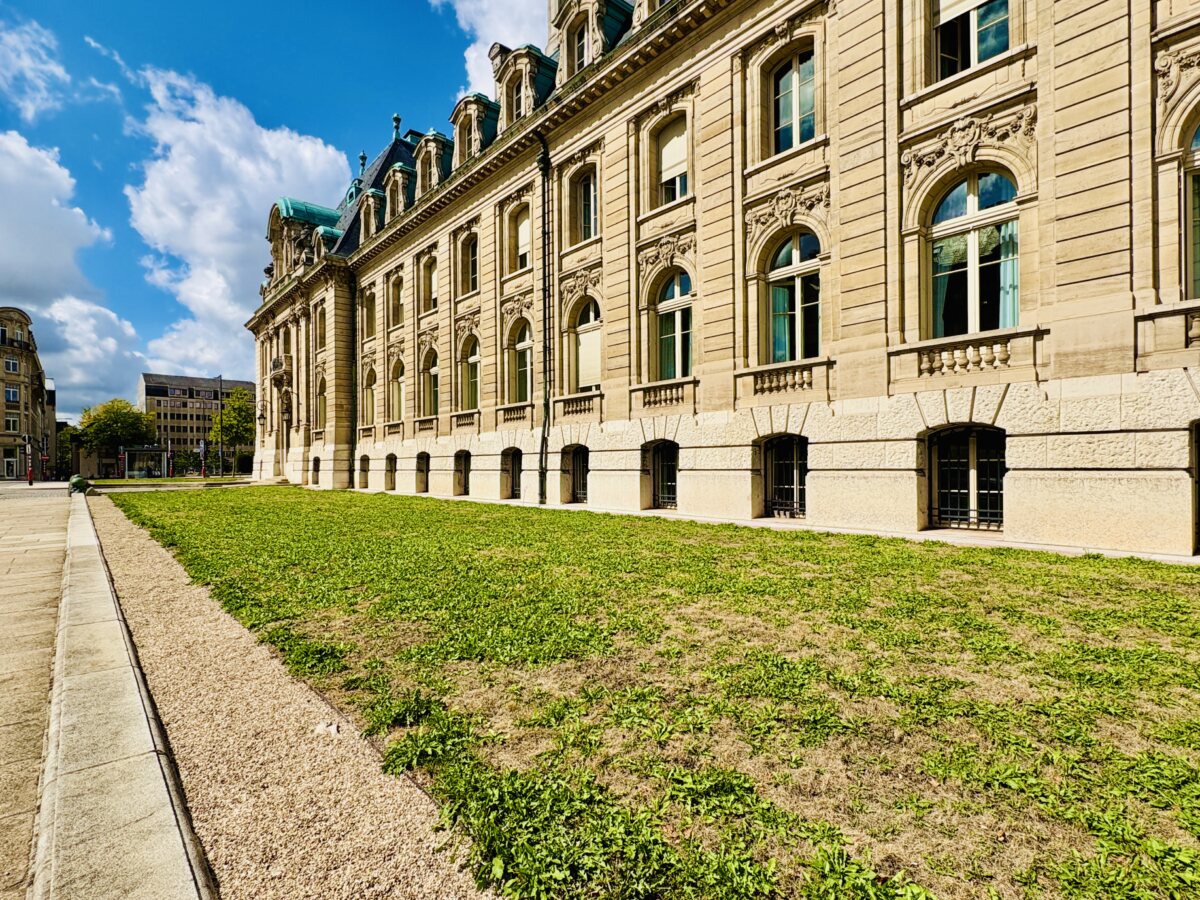
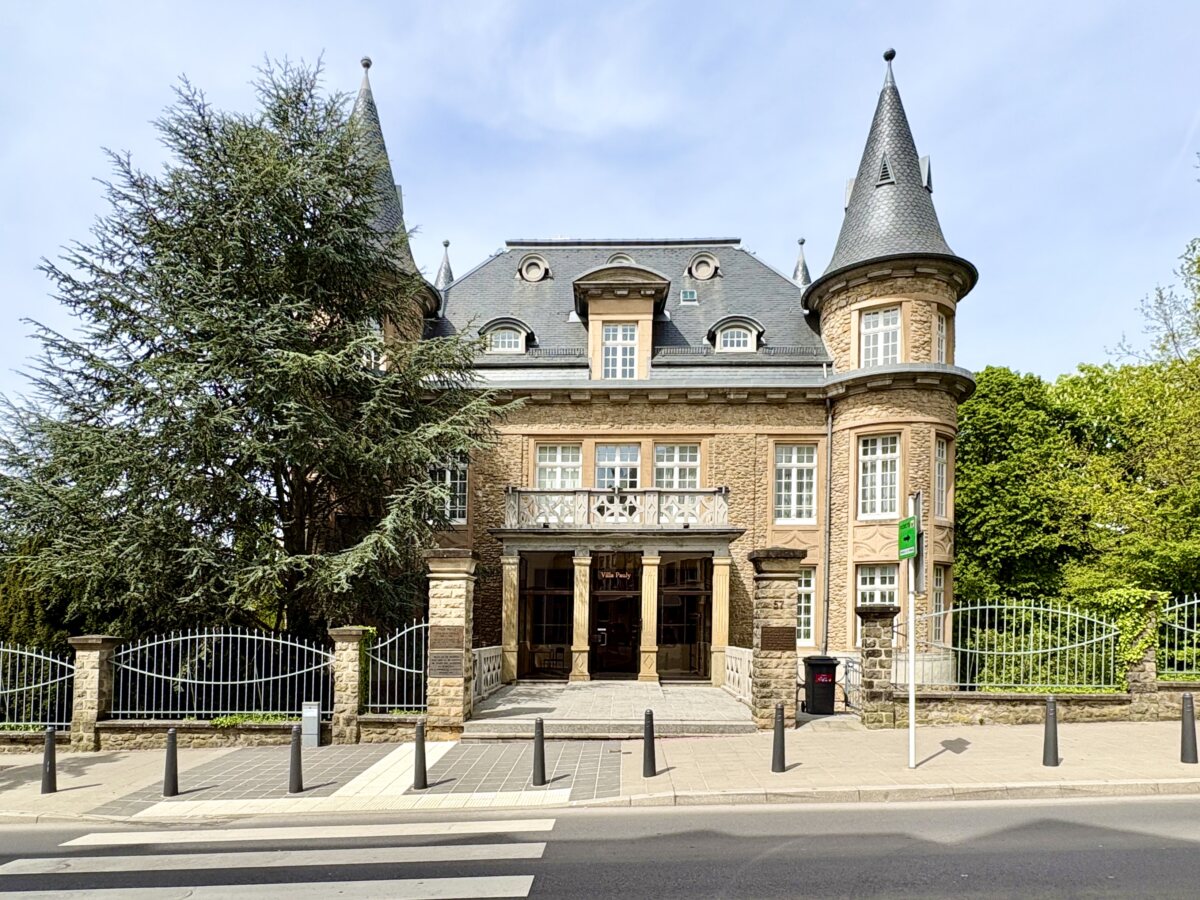
The Villa Pauly is located at number 57 on the Boulevard de la Pétrusse. It sits right in the centre of Luxembourg. Mathias Martin designed the building. The house was constructed in 1923.
The property belonged to a surgeon named Doctor Norbert Pauly. Dr Pauly clearly had a grand vision for his home. The architect added corner towers to the property. These features copy the castle architecture of the Late Middle Ages and the Renaissance.
It is quite an intense look for a family home. Dr Pauly decided to put his medical practice in the basement. Patients must have felt like they were entering a dungeon before their surgeries.
The arrival of the secret police
The doctor did not get to enjoy his fairytale home for very long. Germany invaded the Grand Duchy during the Second World War. Dr Pauly was absent from the country at the time.
The Nazi occupiers looked at the grand villa and decided it suited their needs. The Gestapo moved into the building in August 1940. The secret police turned this fancy residence into their main headquarters in Luxembourg.
The building became a place of terror. The lovely cellar vaults became interrogation rooms. The Gestapo held between two thousand and three thousand people in the villa. Many of these prisoners were tortured in the very rooms where Dr Pauly once treated patients.
Dictating tragedy from the boulevard
The villa was not just a prison. It was also an administrative office for horror. Nazi officials used the desks at Villa Pauly to organize the deportation of nearly nine hundred Jewish citizens from Luxembourg.
The house quickly lost its fairytale charm. It became the ultimate symbol of Nazi occupation and oppression for the locals. The Gestapo stayed in the villa until September 1944 when Luxembourg was liberated.
Life after the horror
You can hardly blame Dr Pauly for not wanting to move back into his house after the war. The building was heavily damaged and the history was even worse. The doctor left his castle behind.
The Luxembourg state eventually took over the property. The ministry of health used the building for several decades. The government finally declared the villa a historic monument in 1989. Today the building serves a much better purpose. It houses several organizations dedicated to the memory of the resistance fighters and the victims of the Holocaust.
The dark past of the building is now preserved so that people never forget what happened behind those stone towers.