The tiny room with a huge heartbeat
If you are looking for a massive theatrical palace with sweeping balconies and thousands of velvet seats you should probably look elsewhere. The Teatro de Flamenco de Málaga is a delightfully compact venue that takes the concept of personal space and completely throws it out of the window.
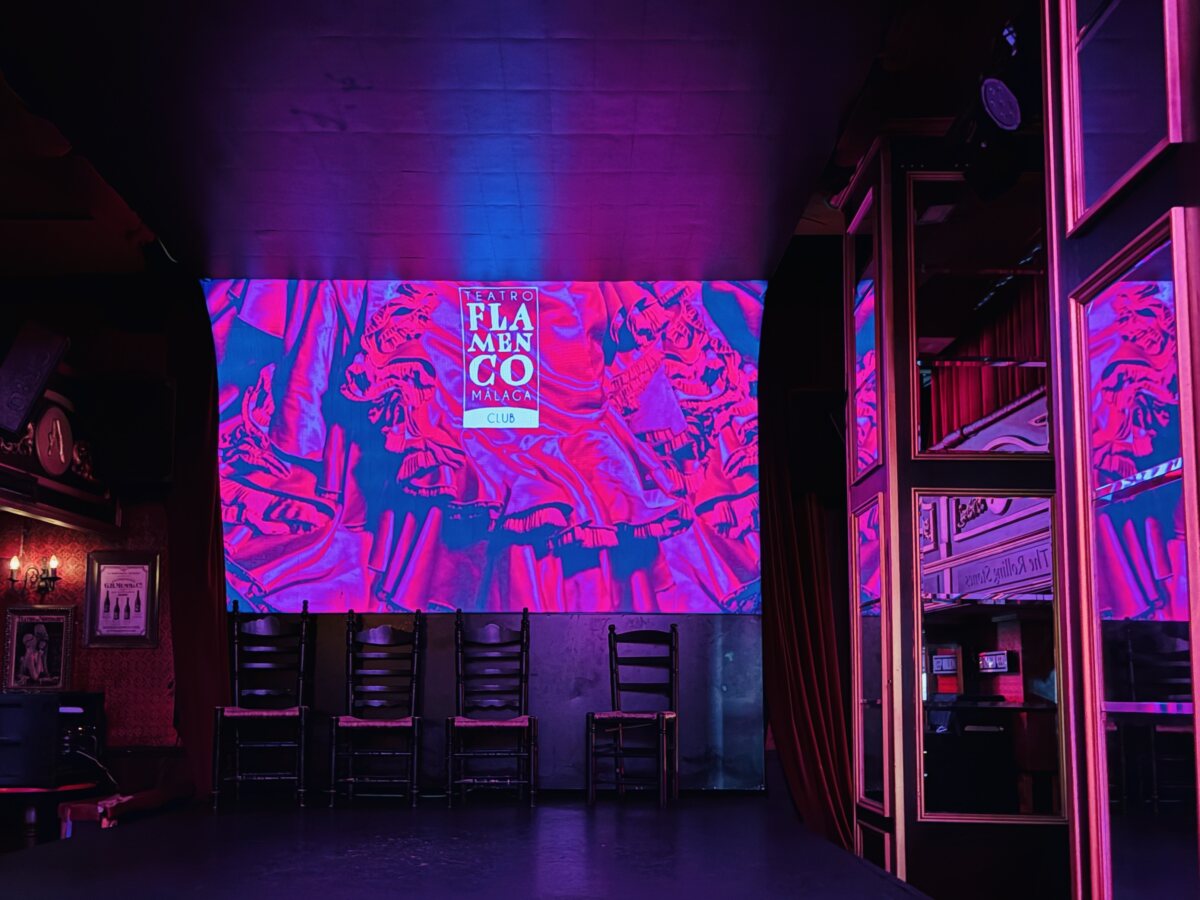
The establishment operates with a strict maximum capacity of just 80 spectators per performance. This microscopic setup means that the audience sits a mere few metres away from the main wooden stage.
You do not just watch the performance here because you are close enough to hear the deep breathing of the singers and feel the vibration of the heavy footwork. It is a highly compressed environment that turns a standard cultural show into a deeply intense personal encounter. The tiny audience size ensures that the authentic raw energy of the performance is never diluted by a massive echoing hall.
A modern rhythm inside a historic street
The story of the venue is deeply intertwined with the shifting entertainment habits of the central district. Located on Calle Lazcano the building itself dates back to the nineteenth century and sits tucked away in a heavily historic part of the town centre.
However the actual theatrical space underwent its most dramatic functional transformation during the later decades of the twentieth century. For a long time the physical address was widely famous as a popular local nightclub that supported the urban music scene.
The current flamenco operation officially established its permanent home within these walls to bring the art form back to its intimate roots. The transition represents a fascinating piece of urban recycling where an energetic late night club was thoughtfully repurposed into a structured cultural asset. The venue managed to preserve its casual urban edge while dedicating its daily schedule to the preservation of traditional Andalusian folklore.
The unexpected design of a repurposed floor
The interior decoration of the theatre tells a very clear story of its dual identity as both a historic club and a traditional performance space. Instead of a classic sloping auditorium you walk into a clever arrangement of makeshift sections arranged around a central floor.
The original nightclub dance floor has been cleverly repurposed to hold neat rows of simple folding chairs during the daily sets. To the right of the stage the venue features comfortable private booths that offer a slightly elevated view of the performers.
The back side of the room is dominated by a long traditional bar counter where visitors can enjoy a complimentary drink before the music begins. The lighting is kept deliberately low and atmospheric to mimic the moody aesthetic of a historic cave. It is a highly practical design that strips away any unnecessary theatrical pomp to focus all visual attention on the bright dresses of the dancers.
The continuous pulse of the intimate stage
Because the room is so remarkably small the scheduling of the theatre has to operate like a finely tuned machine. The venue hosts regular performances that run all year round with the main artistic line up changing every single week.
Each standard show lasts for approximately one hour and features four to five artists. The performance relies entirely on the basic elements of acoustic Spanish guitar and intense hand clapping and raw vocals.
The artists cannot hide behind complex sound systems or artificial special effects because the audience is practically sitting on the stage with them. This relentless schedule of small scale shows has turned the tiny room into one of the most reliable cultural hubs in the city. It is a brilliant example of how a small urban footprint can be used to deliver an incredibly powerful cultural punch.