A coastline of two completely different halves
The western edge of France is a massive stretch of water and terrain that changes completely as you travel downwards. It is an extraordinary geographical display that looks like two entirely separate countries stitched together in the middle. If you start your journey at the northern tip you will encounter a brutal landscape dominated by massive walls of dark stone. This northern section is famously rocky and can feel rather intimidating when the Atlantic weather decides to turn nasty.
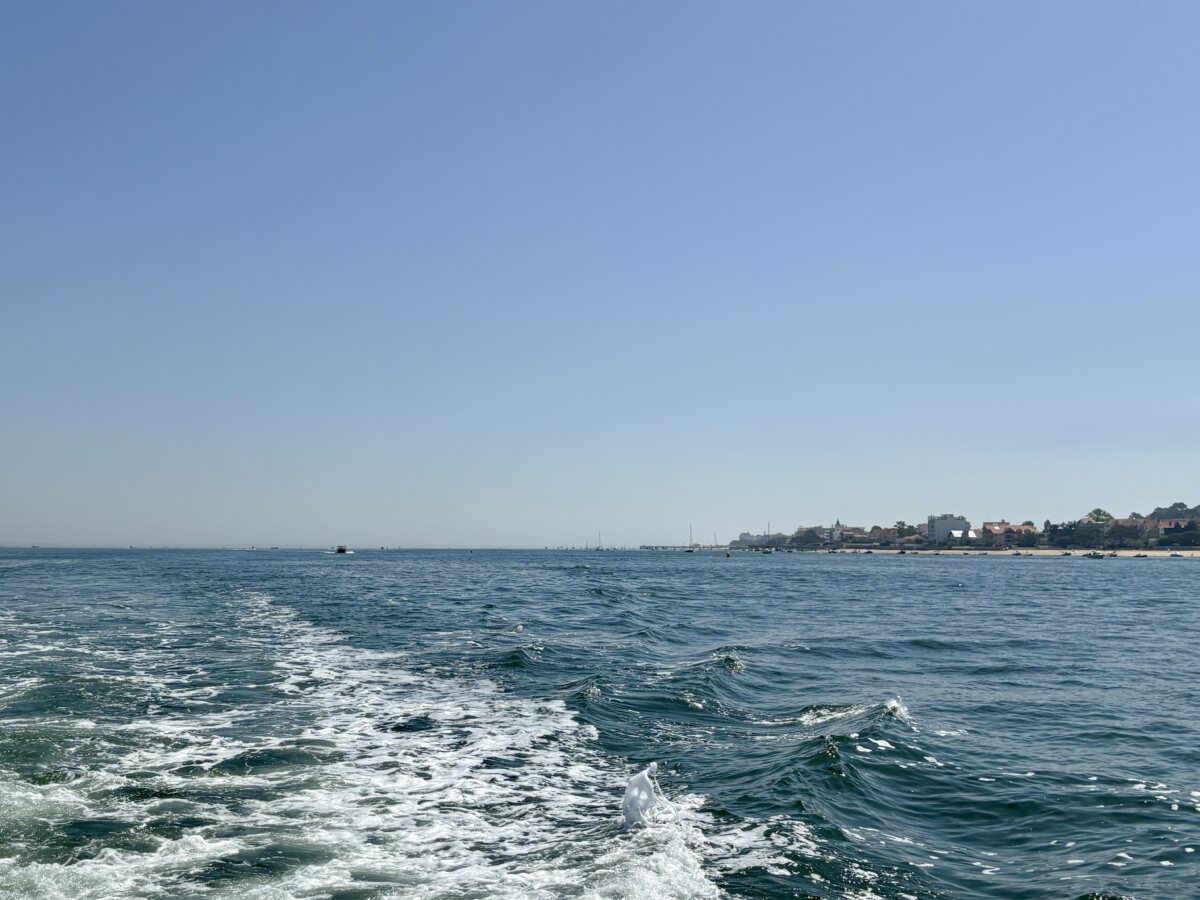
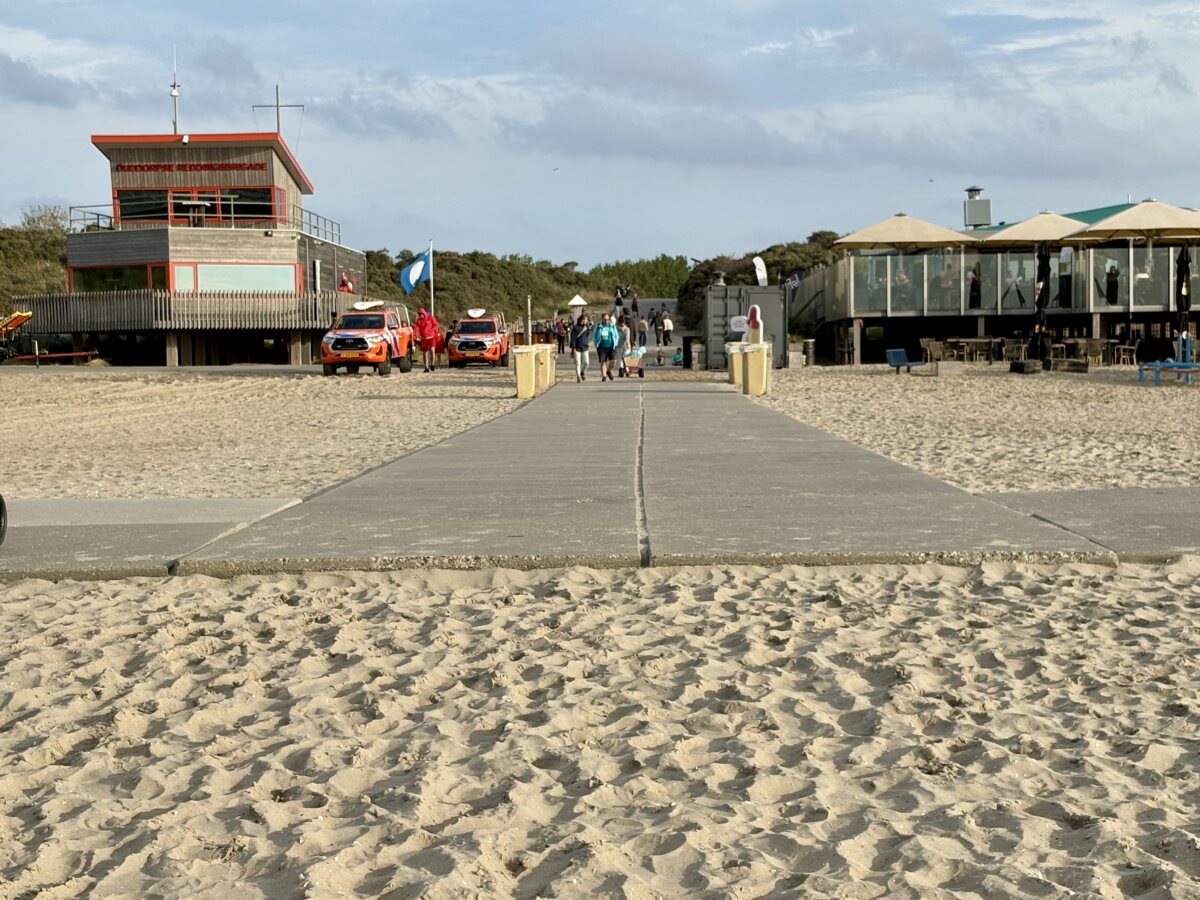
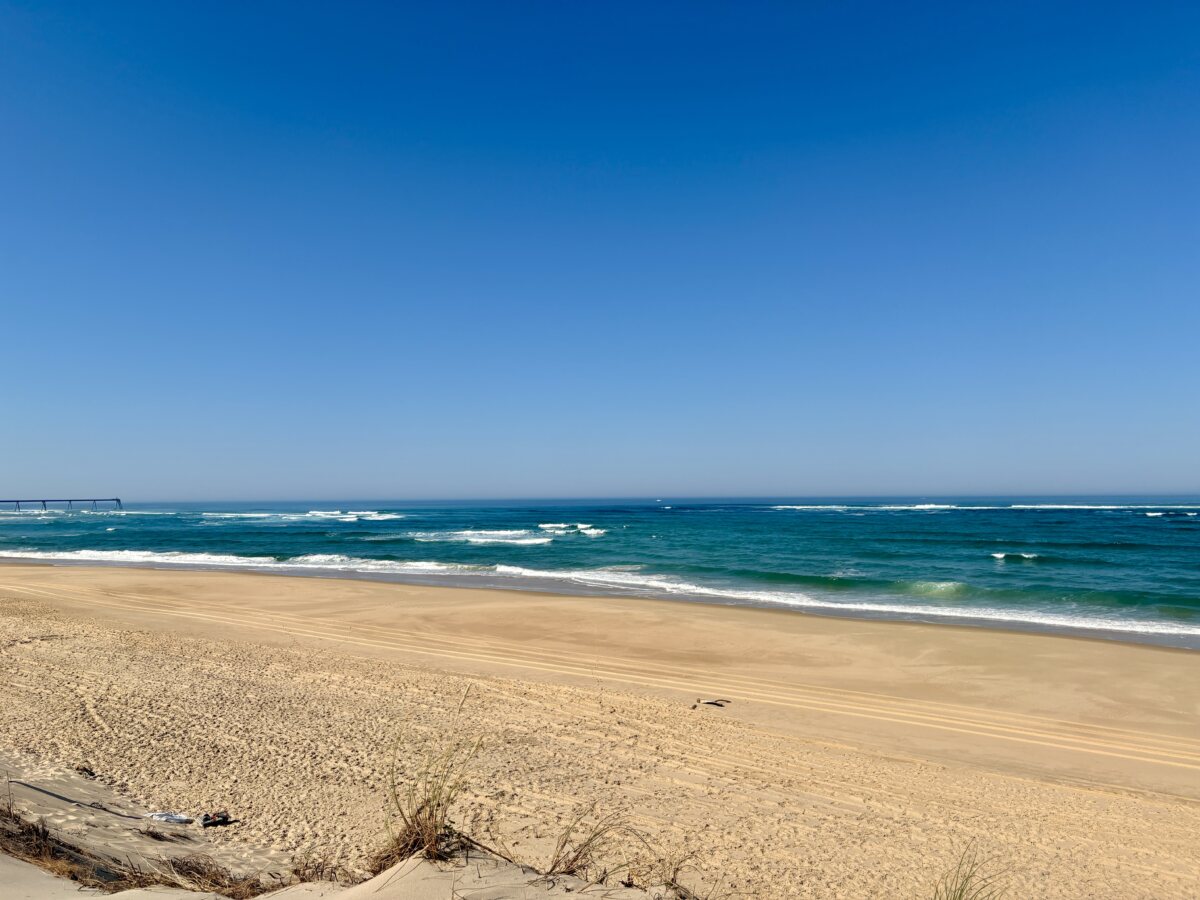
As you head further south toward the border with Spain the heavy stones gradually vanish into thin air. The environment softens into an almost endless highway of soft yellow sand and massive rolling dunes. It is a highly convenient layout for holidaymakers because all the dramatic views are kept in the north and all the comfortable sunbathing is kept in the south.
Counting the kilometres along the western shore
When it comes to measuring this massive aquatic border the figures can vary depending on how much you choose to count the tiny islands. The total maritime coastline of metropolitan France measures roughly 5500 kilometres in length. The specific stretch that directly faces the open Atlantic Ocean accounts for a very large portion of that distance.
If you trace the jagged contours of the western shore from the edge of Brittany down to the Spanish border you are looking at over 2000 kilometres of coastline. This is a massive amount of beachfront property for a single European nation to manage. It ensures that the country has an abundance of seafood and plenty of opportunities for maritime arguments with its neighbours.
Comparing the shores across the big pond
It is always amusing to compare European geography with the massive scale of the United States to see who wins the coastal bragging rights. The Atlantic coast on the other side of the pond is an absolute monster of a shoreline. The general length of the American Atlantic coast from the top of Maine down to the tip of Florida measures around 3500 kilometres.
That figure easily beats the French total if you just measure the main land in a straight line. However the American coast manages to do the exact opposite of the French geographical layout. The northern American state of Maine is famously rocky and jagged while the southern state of Florida is flat and sandy.
France has managed to copy this exact geographical transition perfectly but within a much more compact space. You can experience the rugged cliffs of Maine and the sandy dunes of Florida in France without having to drive for three days straight.
The dramatic northerly walls of stone
The northern section of this long Atlantic path is heavily dominated by the wild region of Brittany. The granite cliffs here have been taking a brutal beating from the ocean waves for millions of years. This constant pounding has created a highly irregular shoreline filled with hidden coves and dangerous reefs.
The local residents historically used these rocks to build massive stone fortresses to keep out invading navies. Walking along these high cliff paths is a fantastic experience if you enjoy heavy wind and damp gray skies. It is a very serious and dramatic landscape that demands a great deal of physical respect from anyone attempting to explore it.
The endless sandy highway of the south
Once you cross the mouth of the massive Loire river the stone walls begin to crumble away into flat ground. The landscape transitions into the smooth sandy beaches of the Vendee and the massive Landes region further south. This southern half is home to some of the longest continuous stretches of sand in the whole of Europe.
The geography here is so flat that the local authorities had to plant a massive artificial pine forest in the nineteenth century just to stop the sand from blowing into the inland villages. The area is also famous for hosting the tallest sand dune on the continent which rises over 100 metres into the sky. It is a paradise for surfers and people who enjoy extracting sand from their shoes for weeks after their holiday ends. This southern coast proves that if you wait long enough the rough rocks of the north will eventually turn into a very comfortable place to take a nap.