A chocolate bar with a story to tell
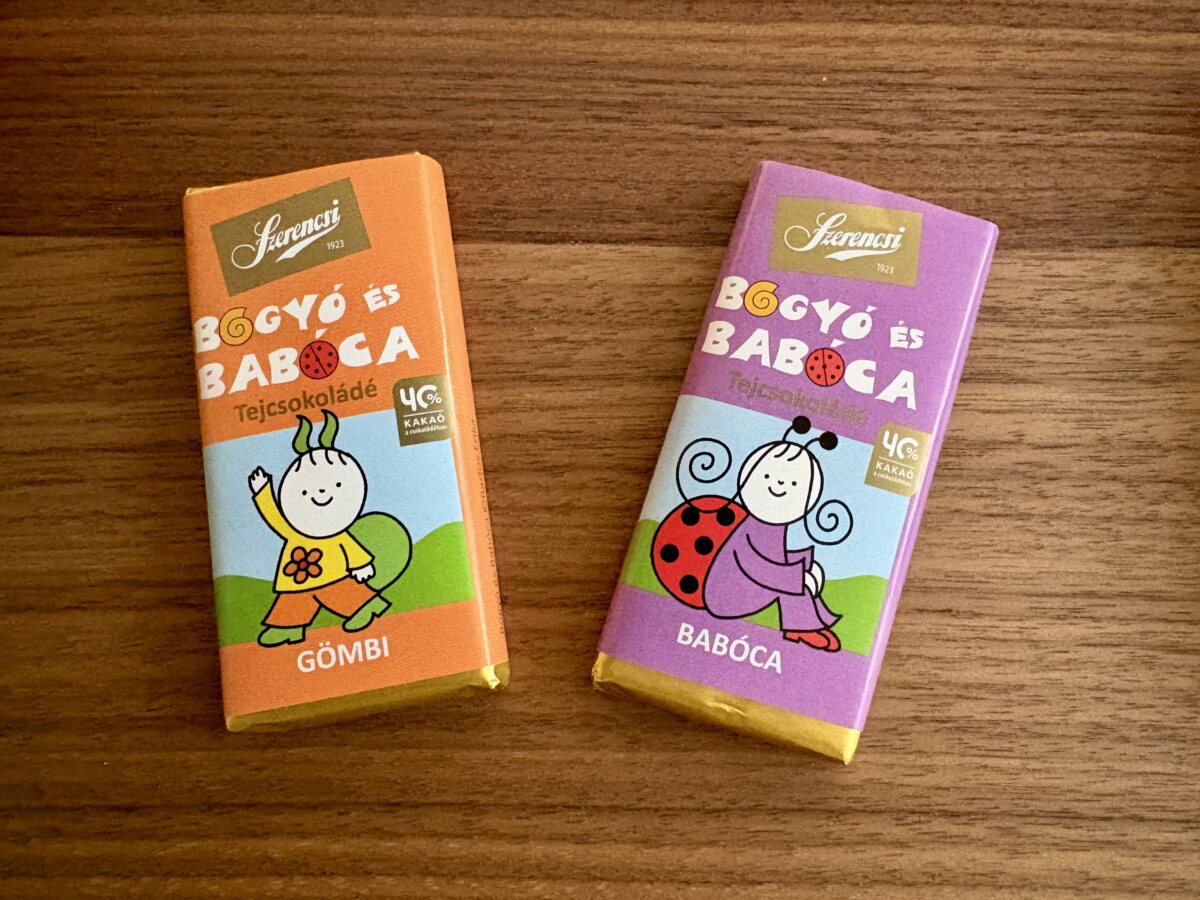
If you wander through a Hungarian supermarket, you will almost certainly spot colorful 20 g milk chocolate bars produced by the famous Szerencsi chocolate factory. Szerencsi has been crafting sweet treats since 1923, making it a household name across Hungary. These particular bars feature two charming little cartoon characters on the wrapper: Bogyó, a cheerful snail boy, and Babóca, a sweet ladybird girl.
Nibbling on a piece of local milk chocolate while looking at cute insect drawings might seem like standard marketing. However, these characters are absolute royalty in Hungarian children’s culture. The chocolate bar is simply a delicious doorway into a massive publishing and animation phenomenon that has captured the hearts of toddlers for over 20 years.
The creative mind behind the forest friends
The world of Bogyó és Babóca was created by Hungarian architect turned author and illustrator Erika Bartos. In the early 2000s, she began writing and illustrating simple, colorful stories for her own children. Her background in architecture shines through in the remarkably detailed, clean and orderly drawings of tiny houses, acorn caps and mushroom huts.
The main figures represent everyday forest critters that young children can easily recognize. Bogyó the snail is slightly stubborn but deeply caring, while Babóca the ladybird is sensible, creative and patient. They are joined by a large cast of gentle friends, including Baltazár the bee and Lily the butterfly. Together, they navigate the immense drama of preschool life, such as sharing toys, baking cakes or fixing a broken tricycle.
Why children and parents fall in love with the series
Both the book series and the animated film adaptations created by KEDD Animation Studio stand out because of their gentle pacing. In a modern media landscape filled with hyperactive, noisy cartoons, this series offers a peaceful refuge. The conflict management is remarkably mild, focusing on empathy, cooperation and helping friends in need.
The animated short films, directed by Oscar-nominated producer Géza M. Tóth, preserve the simple paper cutout aesthetic of the original books. The episodes are intentionally brief, usually lasting around 5 minutes, which fits the attention span of young toddlers perfectly. Coupled with catchy acoustic tunes by the Hungarian band Alma Együttes, the stories feel like a warm hug rather than a frantic commercial bombardment.
The English spinoff for global audiences
The massive domestic success naturally led to international interest, resulting in an official English language spinoff titled Berry and Dolly. The translation keeps every bit of the original charm while giving non-Hungarian children access to the exact same gentle moral lessons.
Parents looking for low stimulation screen time can easily stream full episodes and thematic compilations on YouTube. You can watch one of their delightful adventures via the Berry and Dolly Official YouTube Channel.
A sweet cultural export that keeps growing
From a simple bedtime story written by a mother for her kids to Szerencsi chocolate wrappers and global streaming channels, Bogyó és Babóca proves that simplicity works best.
Whether children are enjoying the English dub online or unwrapping a chocolate bar in Budapest, the message remains identical. True friendship, kindness and a curiosity about nature will always be timeless recipes for great storytelling.