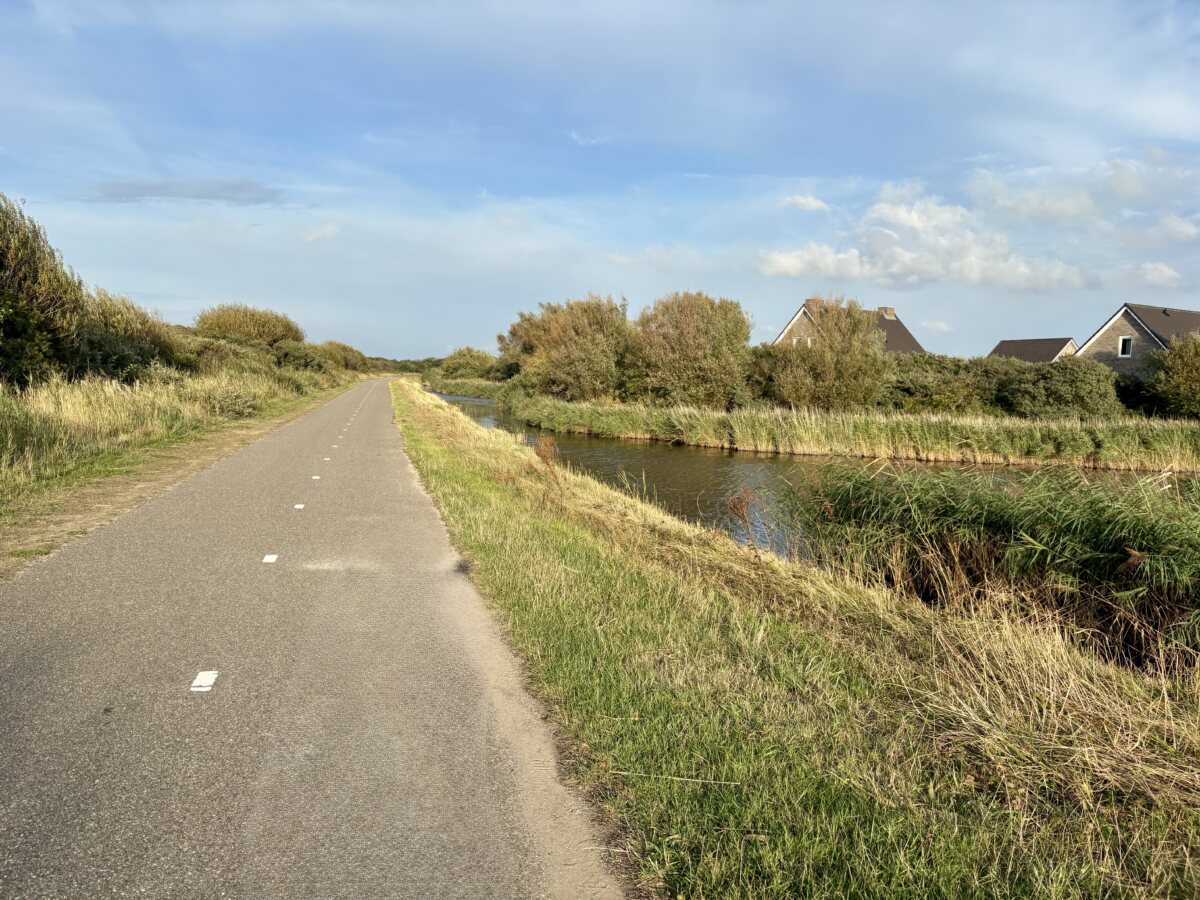
A scenery like nowhere else on Earth
Pedalling a bicycle along the coastal paths of the Netherlands offers a sensory experience that feels almost surreal. As you ride along the top of a paved coastal path, the landscape splits into two completely different worlds.
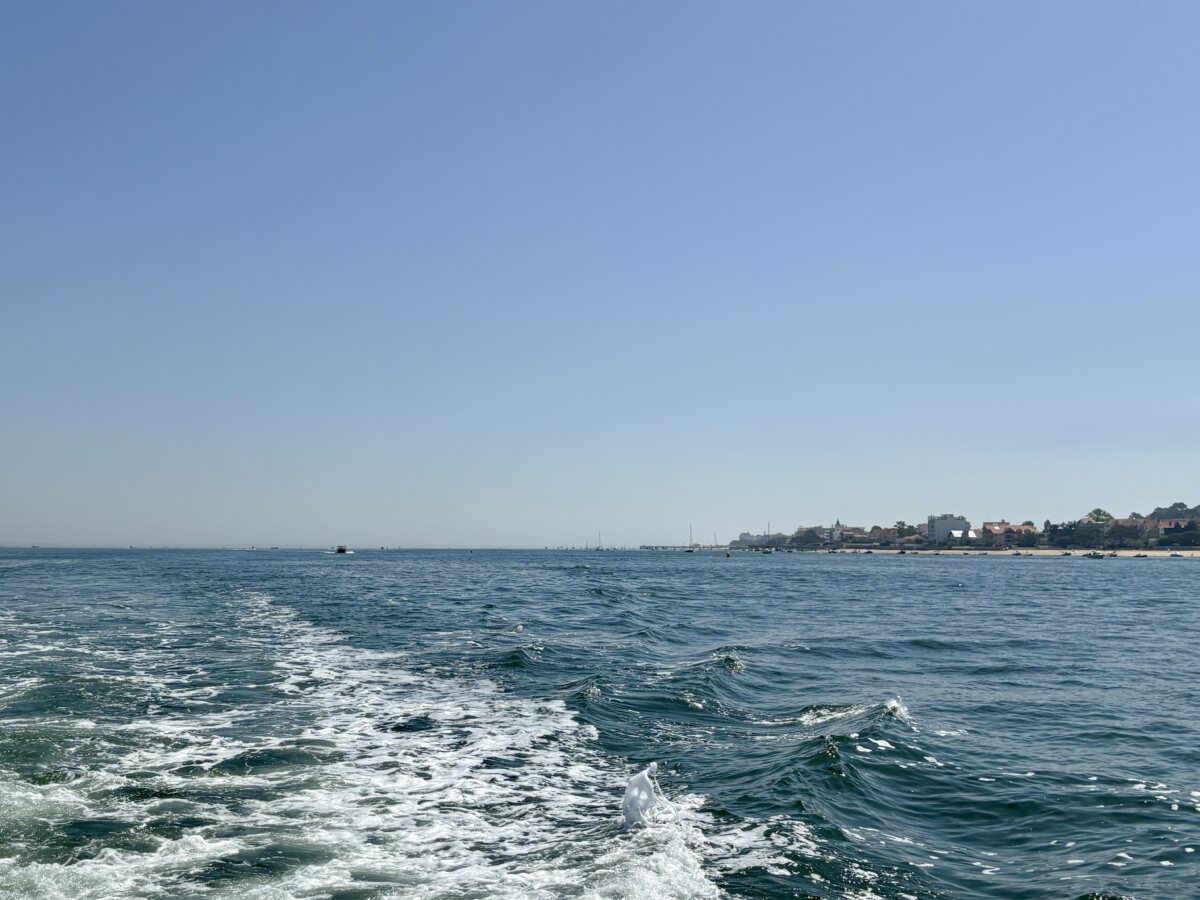
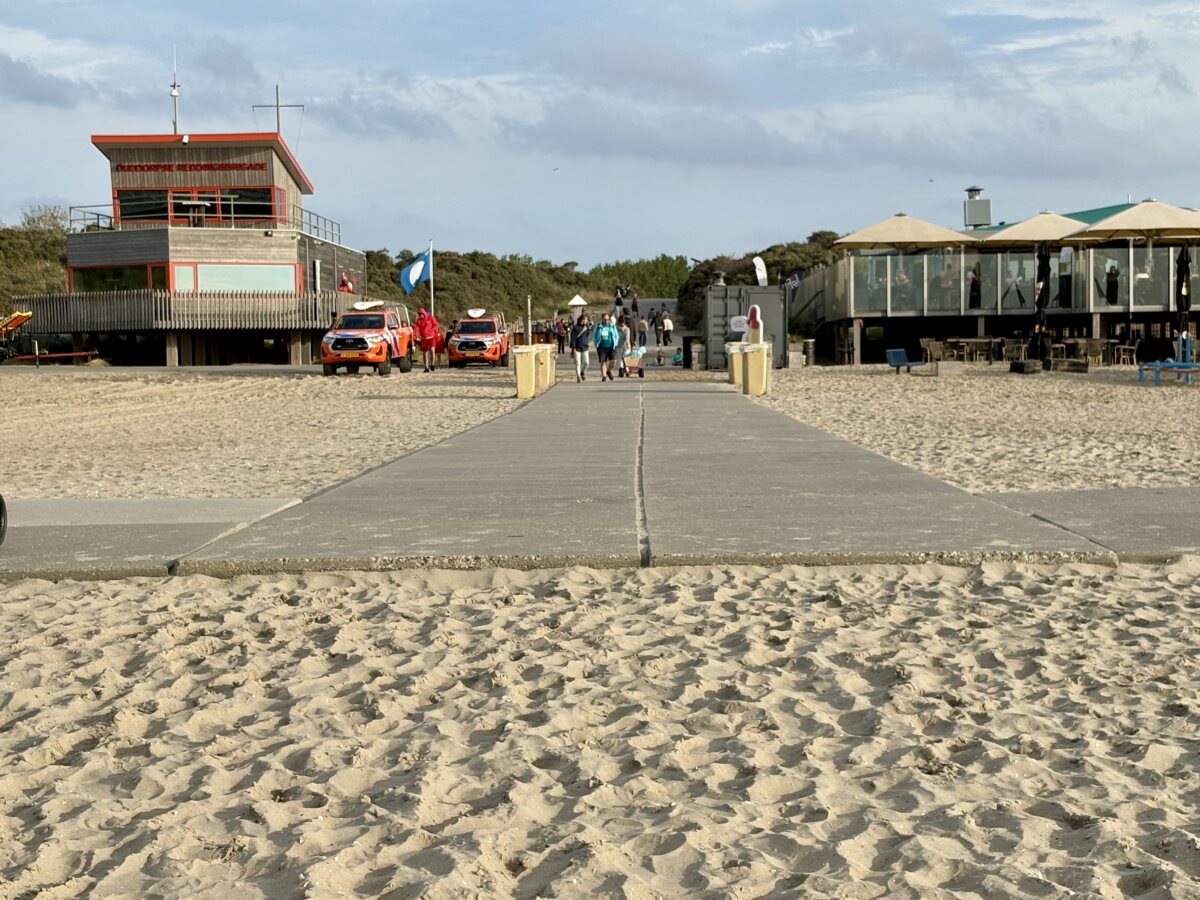
To your left, you feel the brisk maritime breeze and hear the waves crashing against the sandy beaches. Rolling dunes covered in rough beach grass slope gently down toward the North Sea. It feels wild, open and refreshingly natural.
The strange sight to your right
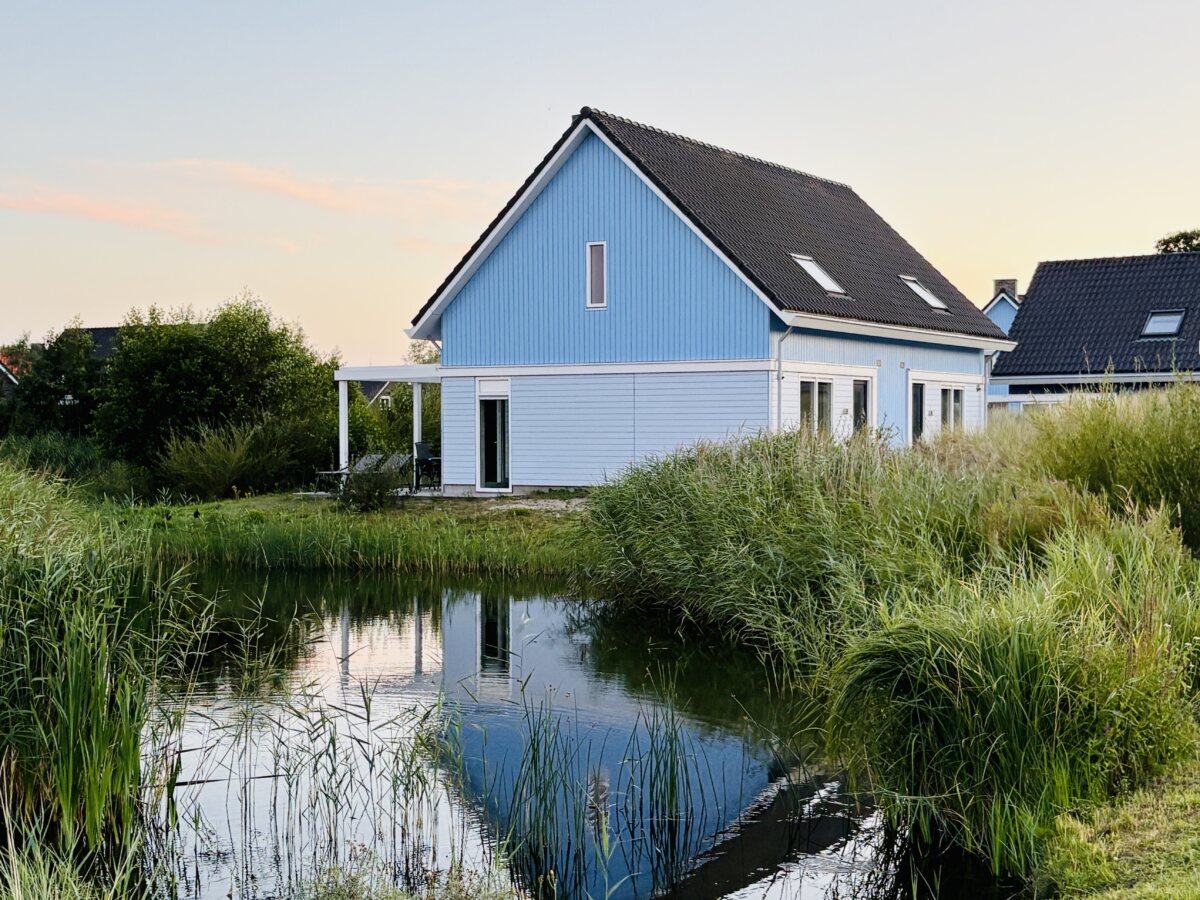
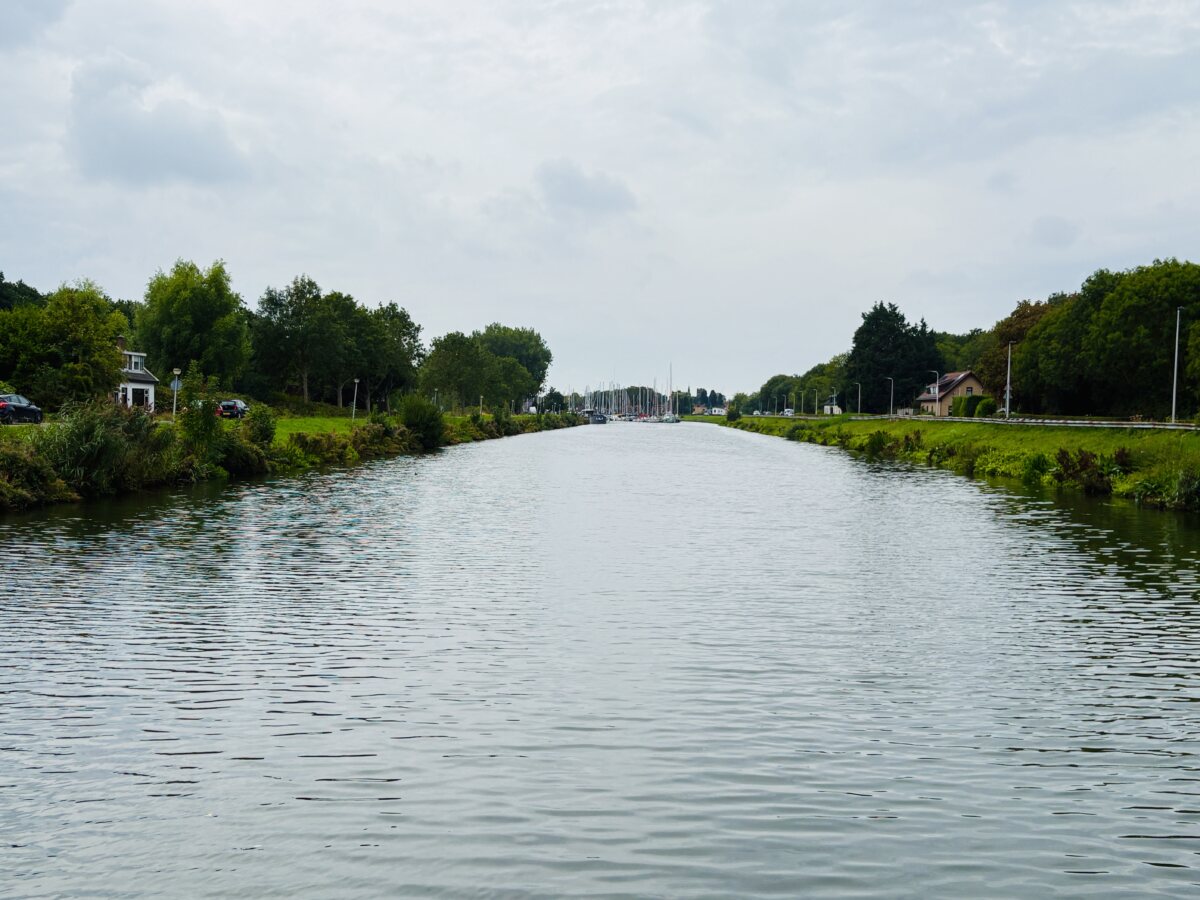
Turning your head to the right reveals a very different picture. Instead of more ocean, you look down on red roofed villages, neat green fields and quiet drainage canals.
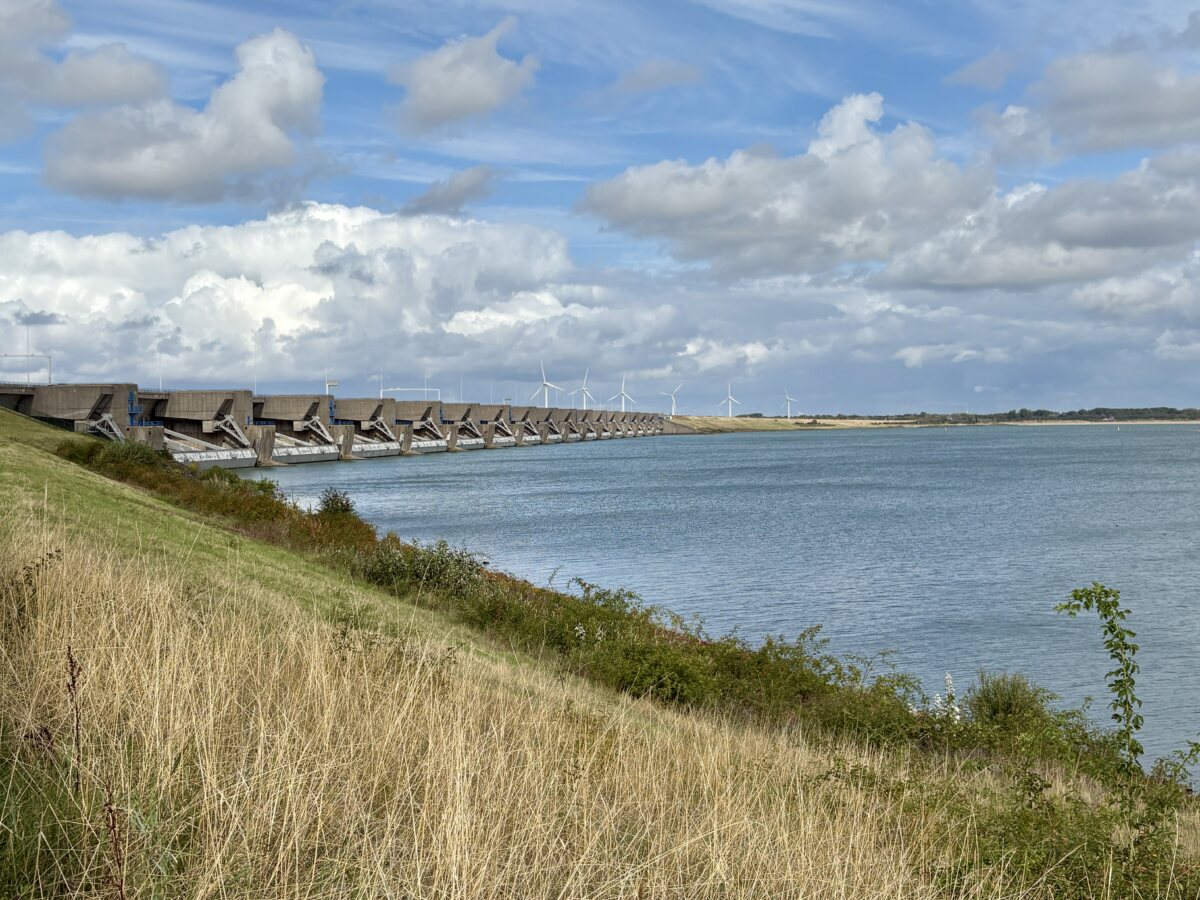
You quickly realize that you are cycling along a narrow barrier holding back millions of litres of water. The land on your right sits visibly lower than the sea level on your left. It is a striking visual reminder that a massive portion of the country exists purely because of human cleverness and engineering grit.
Life below the surface of the sea
Over 26 percent of the total land area in the Netherlands sits strictly below sea level. If you count the regions vulnerable to high river flooding, that number leaps to over half the territory of the country.
Without constant vigilance, historic cities, busy highways and quiet coastal villages would simply disappear underwater. The water management system relies on a complex web of modern pumping stations, historic windmills and reinforced dikes working non stop every day of the year.
The continuous battle to maintain the dunes
While concrete sea walls get plenty of attention, the natural sand dunes remain the primary defense against the ocean. Keeping these giant sand barriers intact is a heavy and never ending job for Dutch water boards.
Strong winter storms regularly tear away thousands of tonnes of sand from the coastline. Specialized ships must continuously dredge sand from the sea floor and pump it back onto the shore. It is a costly and continuous battle against nature, but it keeps an entire country, including its millions of cyclists and homeowners dry.