A wealthy start in the heart of Andalucia
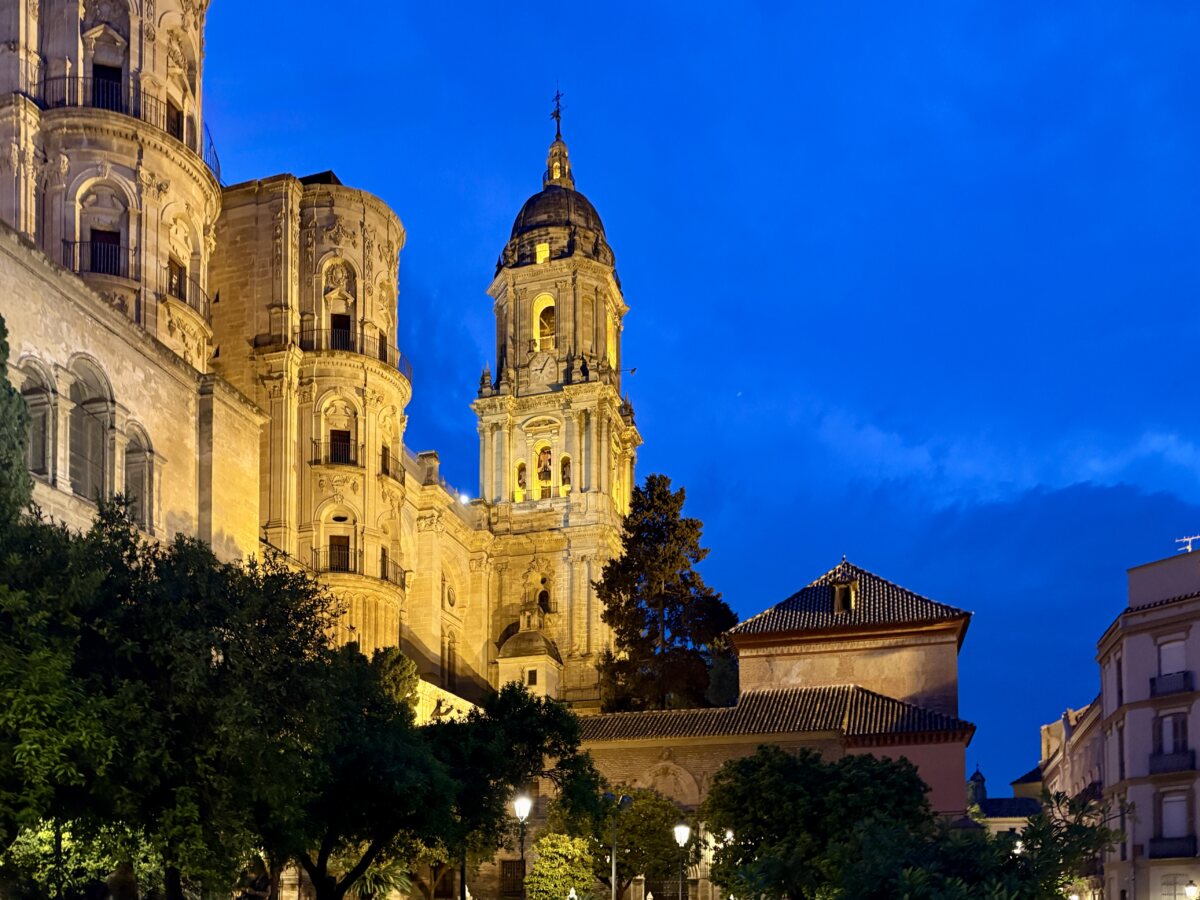
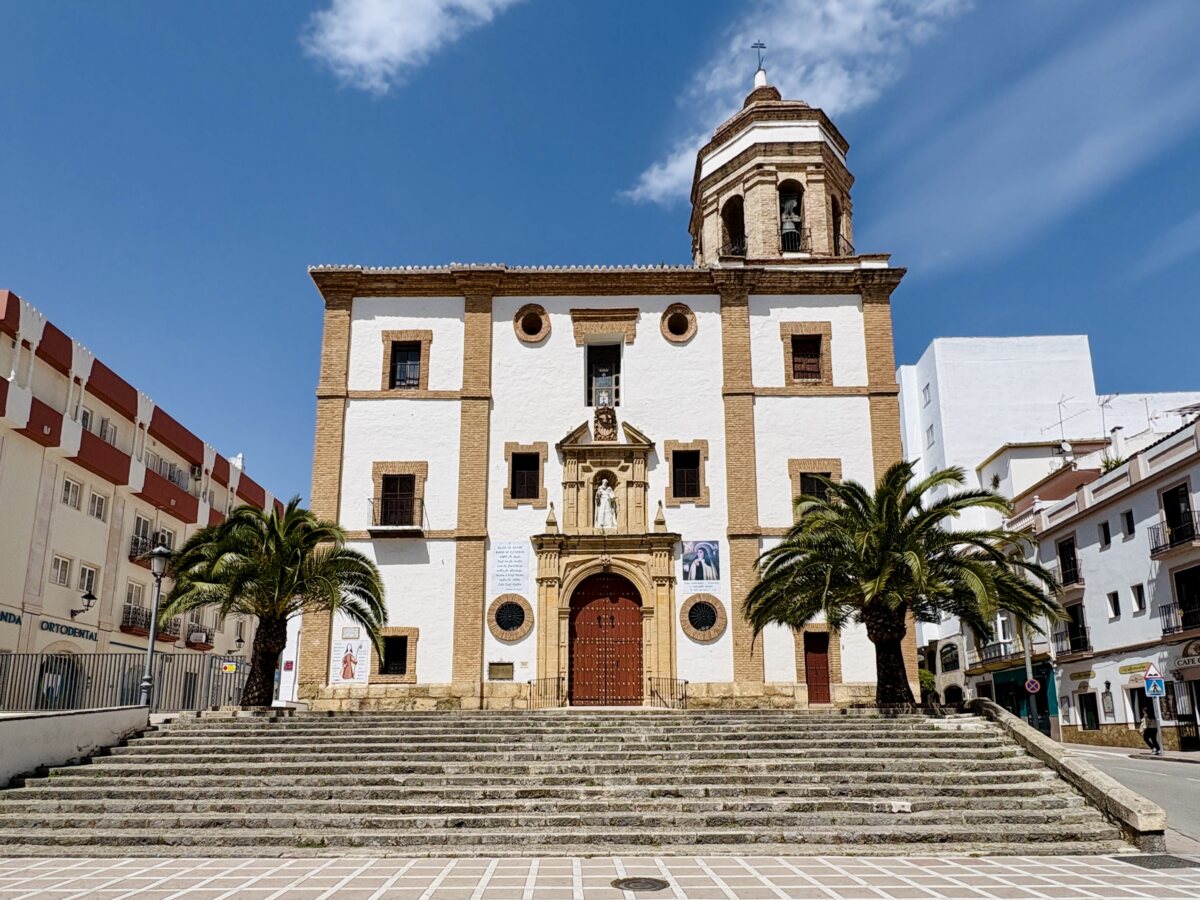
The prominent church located at Plaza de la Merced in the historic town of Ronda is the Iglesia de Nuestra Senora de la Merced. This grand building belongs to a larger complex often referred to as the Iglesia Convento de la Merced. Construction on this holy site originally began all the way back in 1585 during a time of great religious expansion in Spain.
It was initially established as the primary church for a very wealthy former Mercedarian convent complex. The architects designed a striking white stone and brick facade that stands out beautifully against the blue Spanish sky. The building also features a highly notable octagonal bell tower that has watched over the local district for centuries.
The unexpected arrival of a saintly relic
The peaceful life of the convent changed dramatically over the centuries as it transitioned into a home for the Discalced Carmelite community. Today this quiet sanctuary is globally famous for housing an extraordinary and slightly unusual religious relic. Inside the church lies the mano incorrupta which is the preserved incorrupt hand of Saint Teresa of Avila.
This holy hand is kept inside a spectacular 17th century gilded silver reliquary that is heavily adorned with precious stones. The relic has a highly turbulent history and was even kept by the dictator Francisco Franco in his personal bedroom until his death. It now rests safely in Ronda where it attracts a steady stream of curious religious pilgrims and history enthusiasts.
The sugary traditions of the cloistered nuns
While the historic architecture and the silver hand are impressive the convent is also famous for a much sweeter reason. The cloistered nuns who reside within the complex maintain a very popular local tradition of baking artisanal treats. They spend their quiet days creating delicious traditional biscuits and confections for passing visitors.
Buying these sweets is an amusing experience because you usually interact with the nuns through a rotating wooden window to preserve their isolation. It is a fantastic arrangement because you can contemplate centuries of complex Catholic history while eating a pocketful of excellent sugary biscuits. The convent shows that even the most serious religious institutions know how to run a highly successful bakery.
A perfect location next to the cliff edge
The church enjoys a highly convenient location in the central El Mercadillo district of the town. It sits directly adjacent to the beautiful Alameda del Tajo which is a stunning botanical garden that leads to a massive cliff edge.
It is also just a very short walk from the historic Ronda Bullring which is one of the oldest and most famous arenas in the entire country. This means you can easily combine a morning of dramatic geological views and bullfighting history with a peaceful afternoon visit to the baking nuns. It is a highly compact cultural experience that encapsulates the chaotic charm of southern Spain perfectly.
The timeline of the convent through the centuries
1585: Construction begins on the grand church for the wealthy Mercedarian convent complex.
17th century: Artisans create the spectacular gilded silver reliquary to house the hand of Saint Teresa.
1835: The convent undergoes massive changes during the general secularisation of church properties in Spain.
1975: The famous incorrupt hand of Saint Teresa is finally returned to the church after the death of General Franco.
Today: The Discalced Carmelite nuns carefully preserve the historic landmark while selling artisanal biscuits to tourists.