A soggy start for an influential family
The story of Pettingen Castle begins a very long time ago in the muddy lowlands of the Alzette Valley. It holds the proud title of being one of the oldest water castles in the entire country of Luxembourg. In the 10th century a fortress called Pittigero Mazini was established on the site to control the local landscape.
The original lords of this wet fortress were not minor regional characters but highly influential members of early society. They were so politically connected that they were actively involved in signing the marriage contract of John the Blind. Having your name on a royal wedding document meant that you were definitely someone important in the medieval world.
The destructive temper of Charles the Bold
Being rich and influential in medieval Europe unfortunately meant that you also attracted a lot of violent attention from passing warlords. The first major catastrophe for the stone fortress arrived in the fifteenth century when the region got caught up in wider European power struggles.
The famous Burgundian ruler Charles the Bold rolled into the area with a massive army and completely destroyed the castle. He was not known for his diplomatic patience and left the proud home of the Pettingen family in smoking ruins. The family had to wait until the 16th century to completely rebuild their home into a much more modern and fashionable residence.
A loud visit from the French army
The newly rebuilt castle did not enjoy a peaceful existence for very long before the next major European conflict knocked on the door. In 1684 the expansionist troops of the French King Louis XIV advanced through the region during the War of the Reunions.
The French army brought heavy artillery and systematically bombarded the fortress into submission. This aggressive military action left the beautiful buildings in a highly ruinous state. The family attempted a few partial restorations afterwards but they quickly ran out of money and enthusiasm. The fortress was largely abandoned and slowly transformed into a regular quarry for the local villagers.
Dismantled for cash and sold for a coin
The 20th century was arguably just as brutal for the surviving stone walls as the previous French cannons had been. A wealthy aristocrat named the Prince of Arenberg decided to strip the ancient site of all its valuable materials to make a quick profit. This complete lack of structural respect caused a massive disaster in 1920 when the entire south facade of the castle simply collapsed into the dirt.
The tragic situation was finally resolved in 1947 when the Luxembourg government stepped in to save the remaining heritage. They acquired the entire site from the private owners for the symbolic price of just one single franc. It was an absolute bargain for the state but a sad financial ending for a fortress that once hosted royal weddings.
A peaceful retirement in the valley
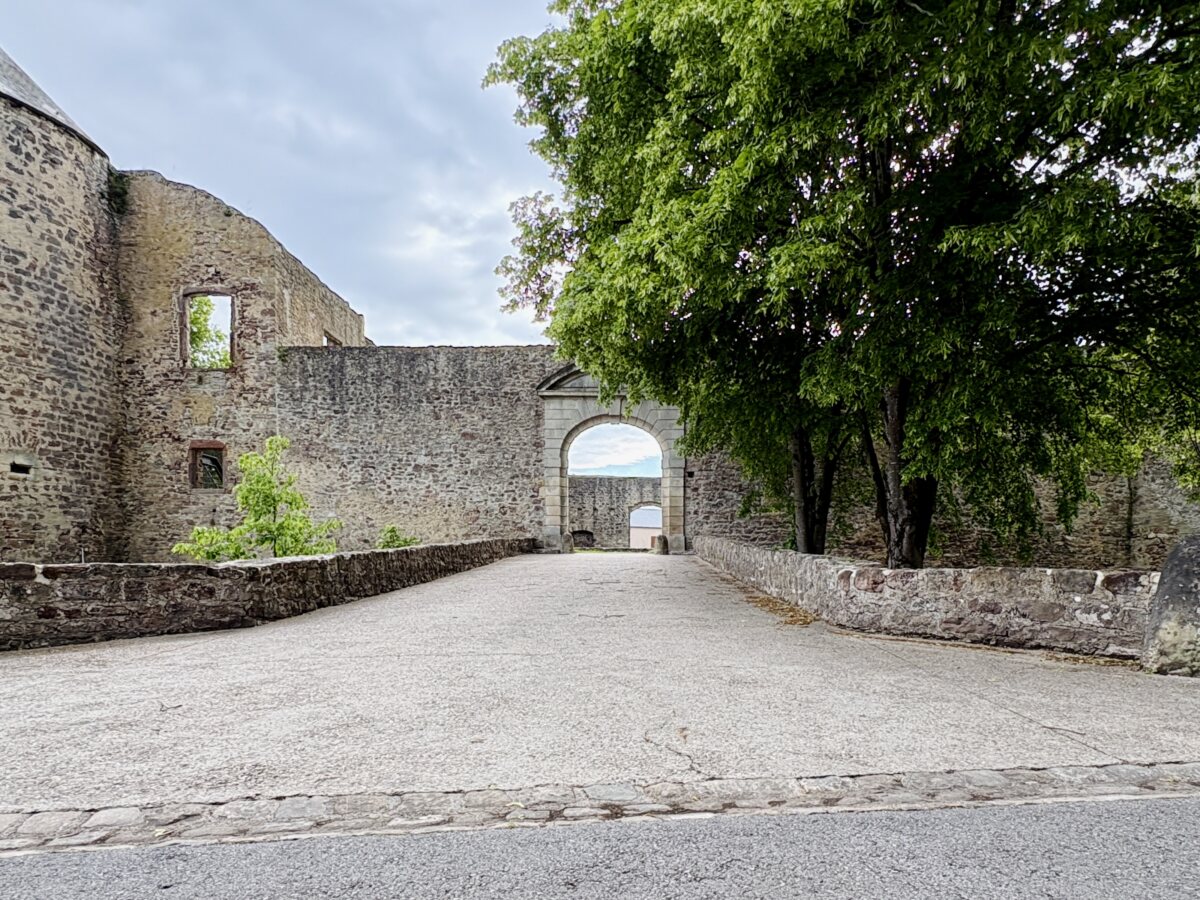
Today the surviving stone walls and heavy round towers enjoy a much more peaceful and dignified existence. The freely accessible ruins are carefully preserved by the state as a historic landmark for tourists and hikers.
You can wander through the old defensive layout without paying a single euro for a ticket. It is a fantastic destination for an afternoon stroll through the Alzette Valley where you can contemplate the total futility of medieval architecture. The castle survived centuries of royal anger only to become a quiet picnic spot for weekend walkers.
The timeline of destruction and decay
10th century: The original fortress of Pittigero Mazini is built as a water castle in the valley.
14th century: The influential Lords of Pettingen help sign the marriage contract of John the Blind.
15th century: The Burgundian ruler Charles the Bold launches an attack and completely destroys the fortress.
16th century: The owners rebuild the castle into a grand modern residence.
1684: The troops of French King Louis XIV bombard the site and leave it in permanent ruins.
1920: The stripped south facade completely collapses after decades of neglect.
1947: The Luxembourg government buys the entire ruined estate for a single symbolic franc.