A walk through a living history book
The historic center of Sopron is one of the most charming old towns in Hungary. Unlike many European cities that suffered heavy destruction over the centuries Sopron managed to keep its medieval street layout intact. Walking through the inner city feels like stepping into a peaceful time capsule.
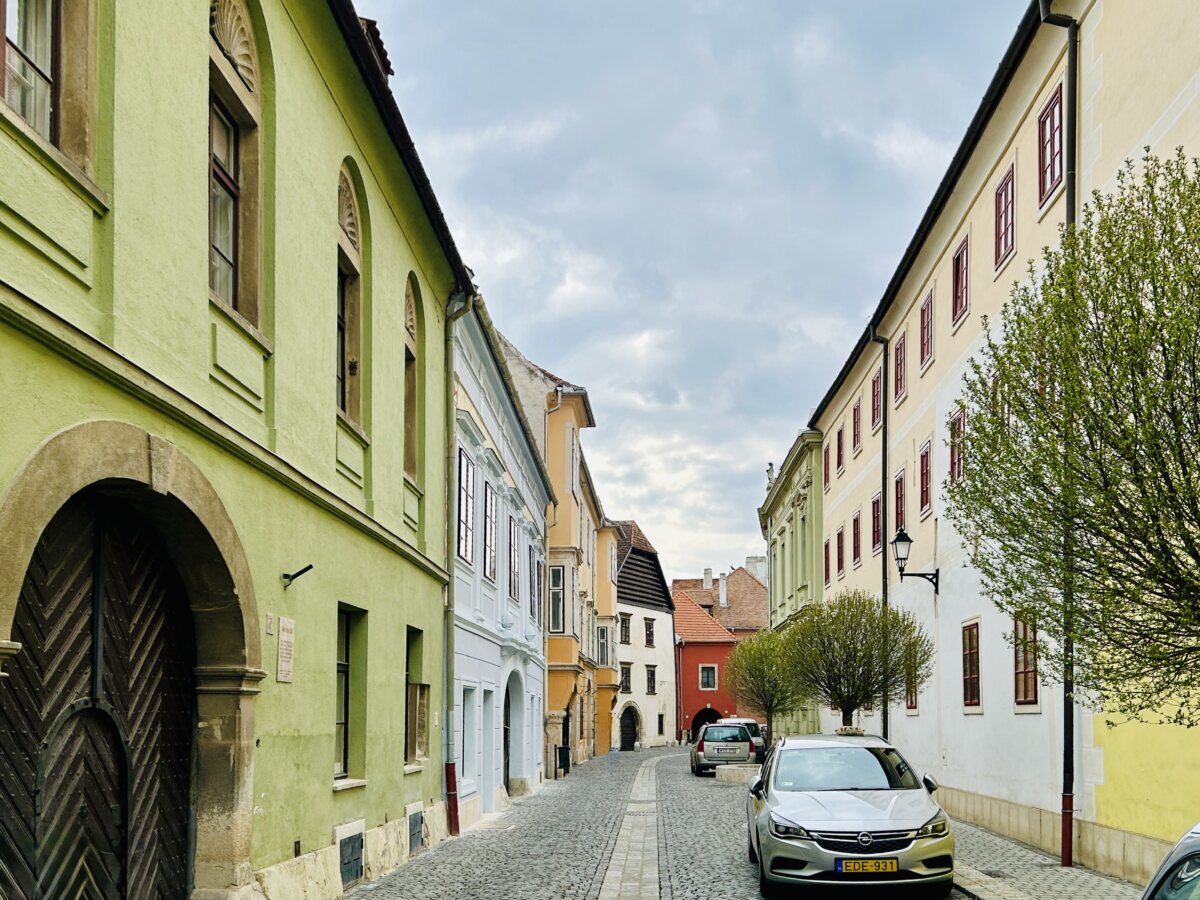
The narrow cobblestone streets twist gently between centuries old houses. Every corner reveals colorful facades soft archways and hidden courtyards. You do not need a fancy guide to enjoy the area. You simply need a comfortable pair of walking shoes and an eye for architectural detail.
The unique charm of Kolostor utca
One of the most atmospheric passageways in the whole city center is Kolostor utca or Cloister Street. This narrow street gets its name from the nearby Franciscan monastery. The buildings along this stretch are remarkable because they survived wars fires and questionable modern renovations.
As you stroll along you will notice an unusual architectural feature called a niche seat. These arched stone recesses next to main doorways were built in the Middle Ages. They allowed weary visitors or guards to sit down while waiting for the door to open. Today they mostly serve as great photo opportunities for tourists resting their tired feet.
Famous guests and musical royalty
The elegant houses on Cloister Street have hosted some very famous historical figures over the centuries. One of the most famous grand residences on the street is the Zichy Meskó Palace. This impressive Baroque building housed noble families who knew how to throw a proper party.
In the autumn of 1820 a nine year old musical prodigy named Franz Liszt gave a concert in this very street. The local aristocrats were so blown away by his incredible piano skills that they funded his musical education in Vienna. It turns out that Sopron nobility had a pretty good ear for talent.
An authentic escape from modern concrete
What makes the center of Sopron so special is its total lack of shiny modern shopping malls. The city protected its historic heritage with remarkable determination. The local government made sure that modern developers could not replace ancient stone walls with glass boxes.
You can spend hours wandering through the inner ring without seeing a single ugly concrete block. Instead you get historic courtyards cosy cafes and quaint wine cellars serving local Kékfrankos red wine. It is a refreshing reminder that some cities still value genuine charm over commercial madness.