The mandatory desert crossing
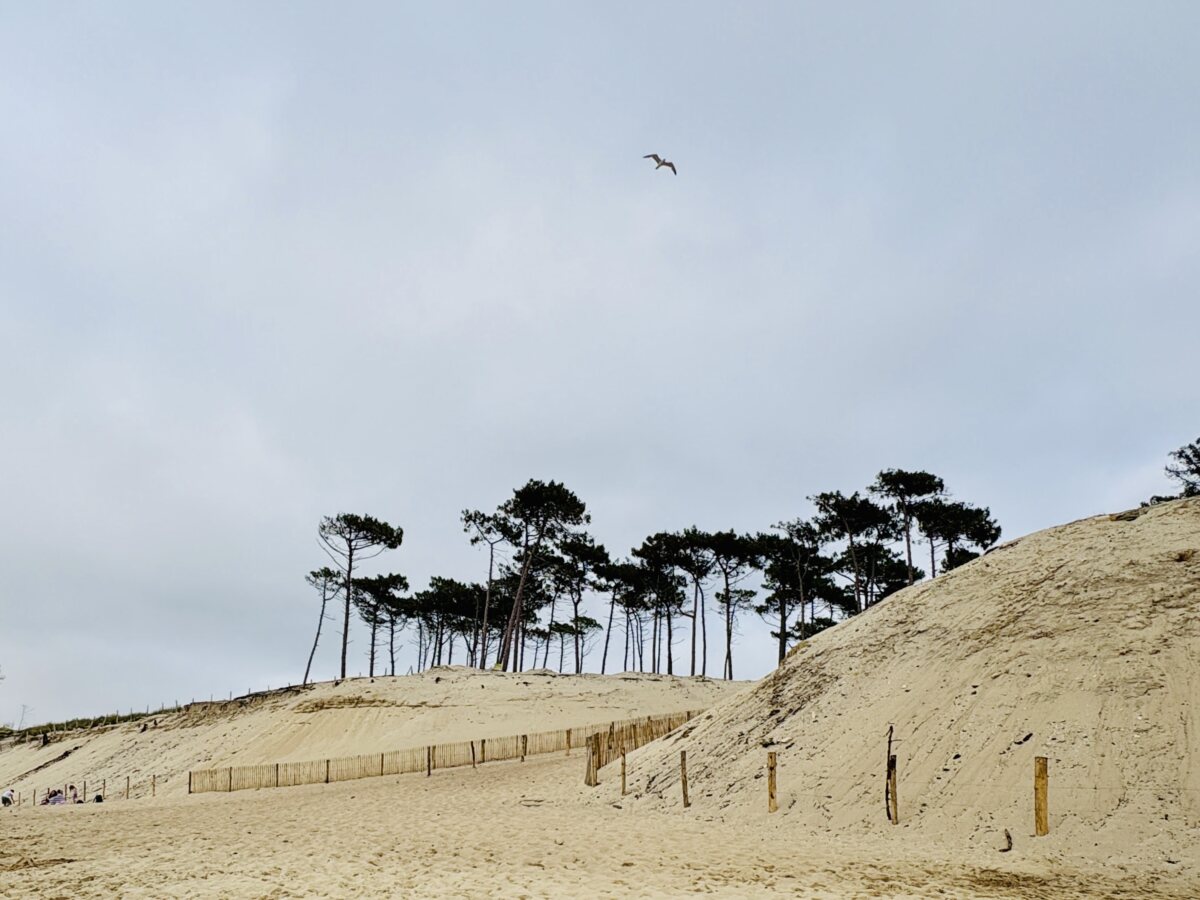
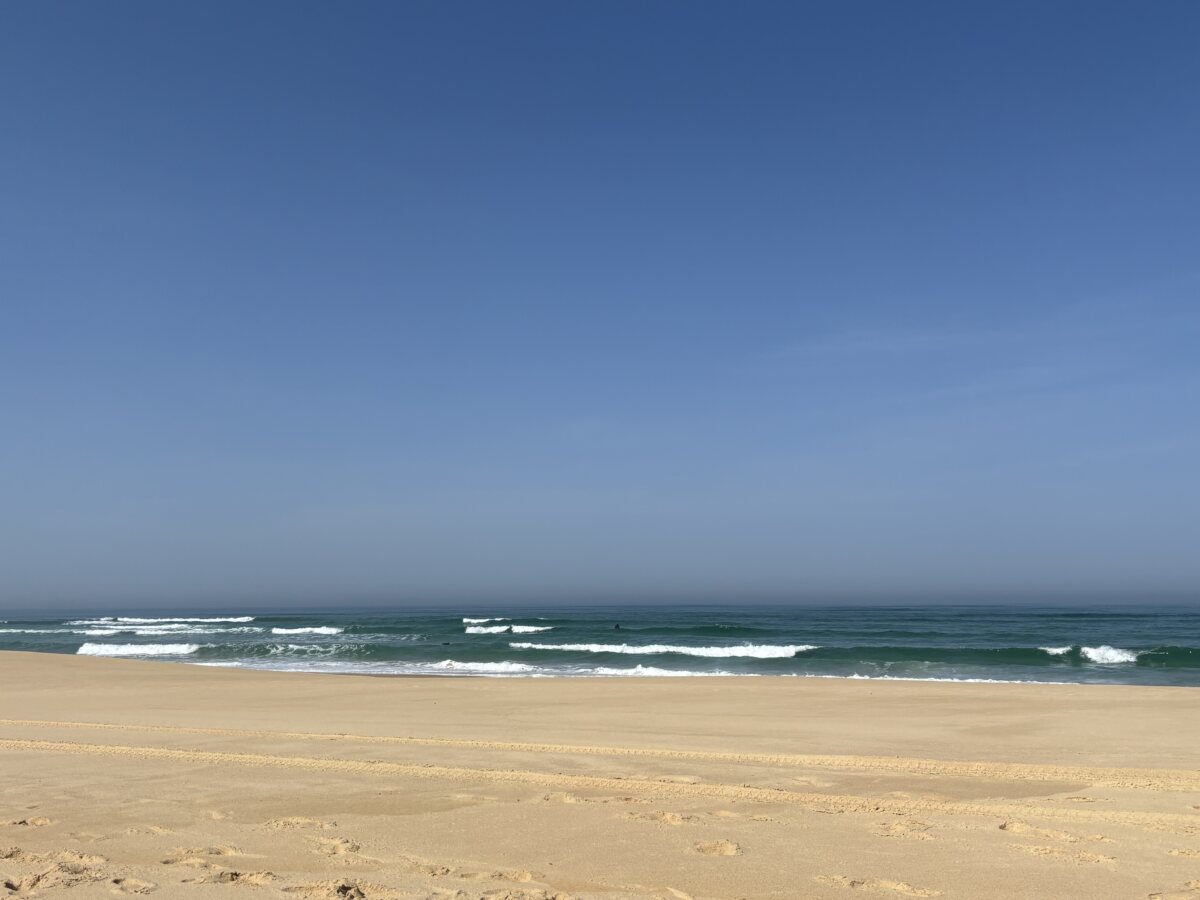
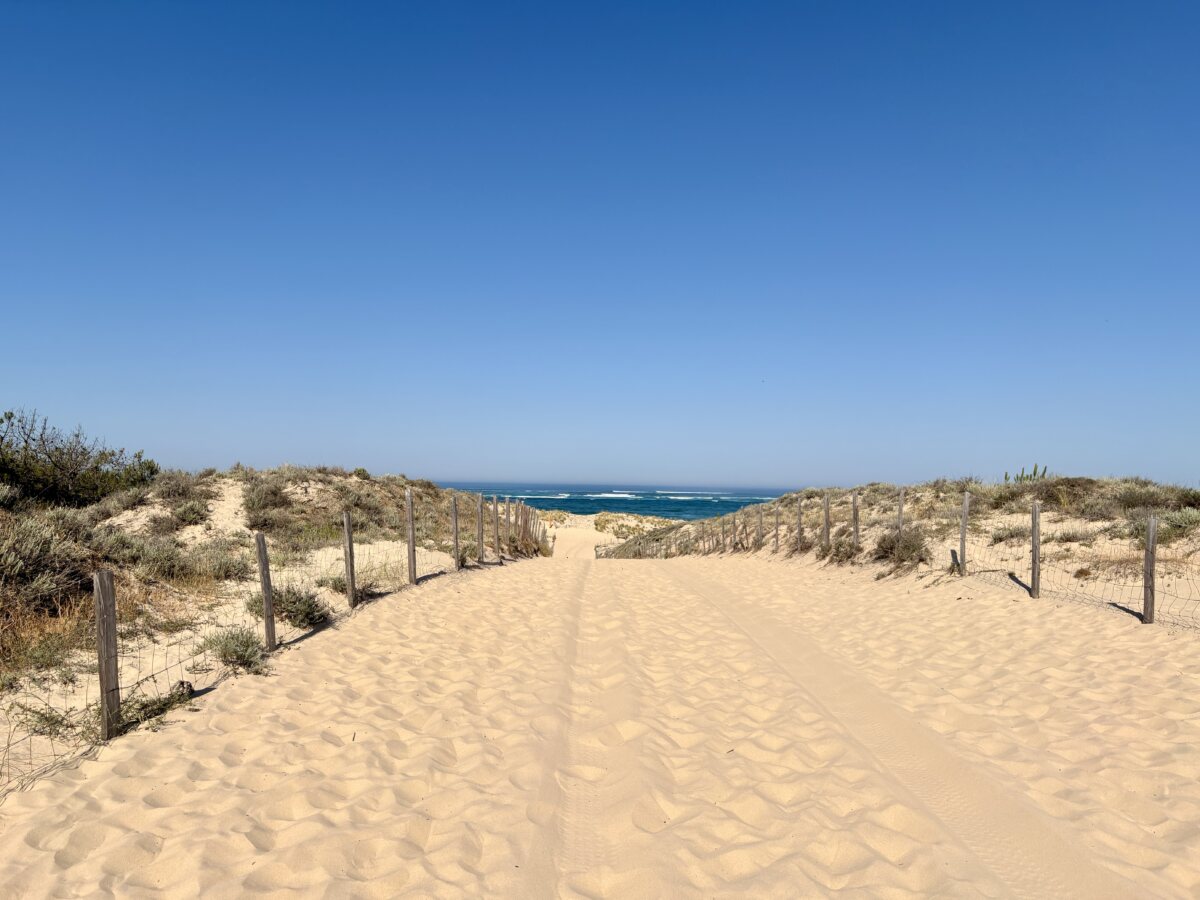
If you want to enjoy a relaxing day at Plage de la Salie you must first survive a serious physical challenge. The French Atlantic coast does not simply let you walk out of your car and step into the ocean. You are separated from the water by a massive wall of loose yellow sand. This gigantic dune acts like a natural security guard keeping the lazy tourists away from the waves.
You will spend ten minutes climbing up a steep sandy hill while carrying heavy bags and heavy umbrellas. Every step forward usually results in sliding half a step backwards. By the time you finally see the water you will feel like an exhausted desert explorer who has just discovered a salty mirage.
A windy history lesson
These massive sandy barriers did not just appear overnight to ruin your relaxing summer holiday. The story of their formation began thousands of years ago when the sea level settled after the last ice age. The Atlantic Ocean constantly pushes massive amounts of sand onto the shallow western shores. Strong westerly winds then catch this dry sand and blow it aggressively inland.
For centuries this moving sand was an absolute nightmare for the local population. The dunes would literally swallow entire farms and villages as they slowly marched across the landscape. The locals eventually had to plant a massive artificial pine forest in the nineteenth century just to pin the sand to the ground and stop the destruction.
Digging deep beneath the surface
When you are struggling to climb these hills it is natural to wonder exactly how deep the sand goes. The scientific reality is both fascinating and slightly terrifying. At major spots along this coast the sand can pile up to well over one hundred metres high. If you brought a giant mechanical digger and scooped all this golden sand away you would eventually hit a solid base.
Underneath these massive shifting hills lies a dark layer of ancient geological history. You would find old compressed clay and fossilised tree stumps from ancient forests that were buried thousands of years ago. There is also a hard layer of dark sandstone called alios which is basically rusted iron mixed with old gravel.
The hidden cost of a beach day
Knowing the complex geological history of the dunes might not make your walk any easier. Your calves will still burn and your shoes will still fill up with a ridiculous amount of sand. However it does give you a nice feeling of superiority over the natural elements once you finally reach the top.
You are basically conquering a prehistoric geographical monster just to go for a quick surf. The real tragedy of course is that you have to climb the exact same sandy mountain all over again when you want to go home. It is a fantastic natural workout that completely justifies eating an enormous local dinner later in the evening.