A strategic position in the valley of the White Ernz
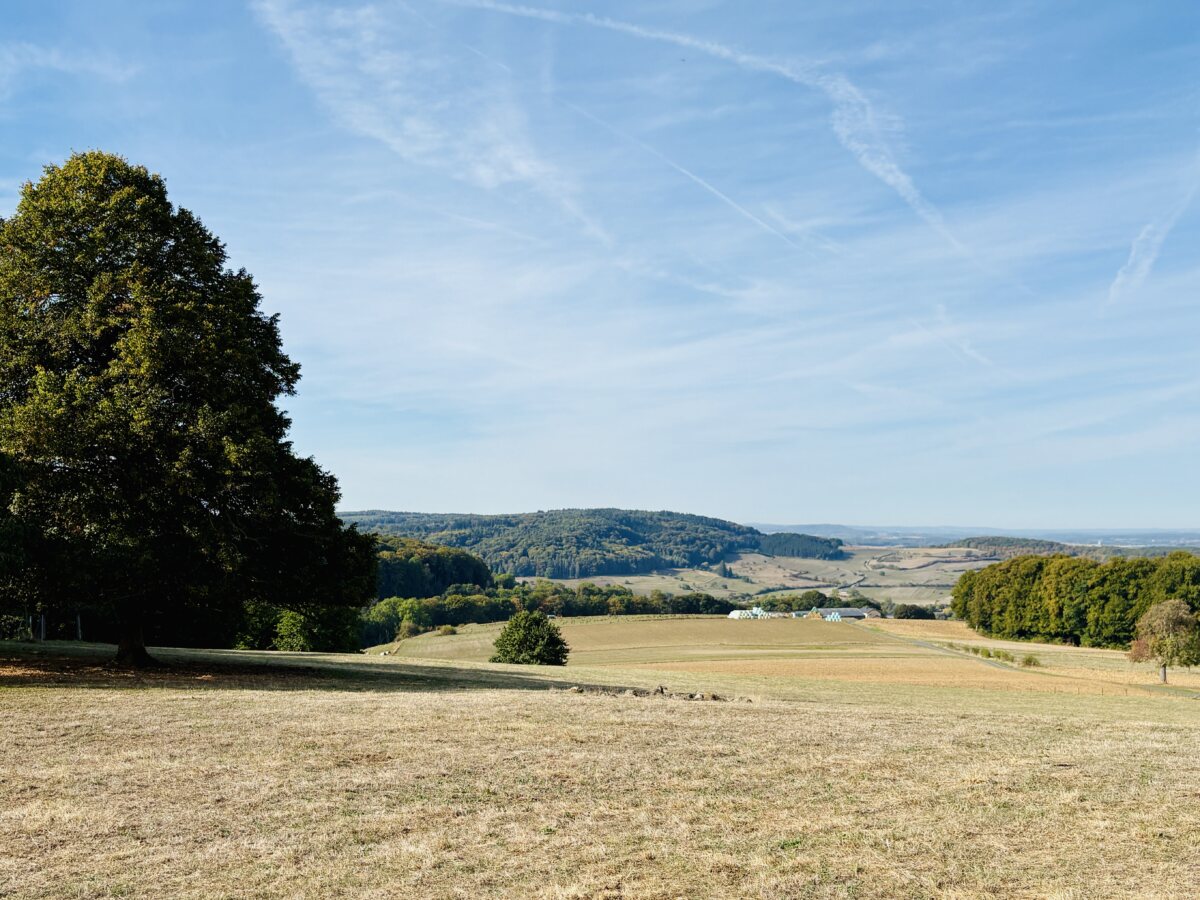
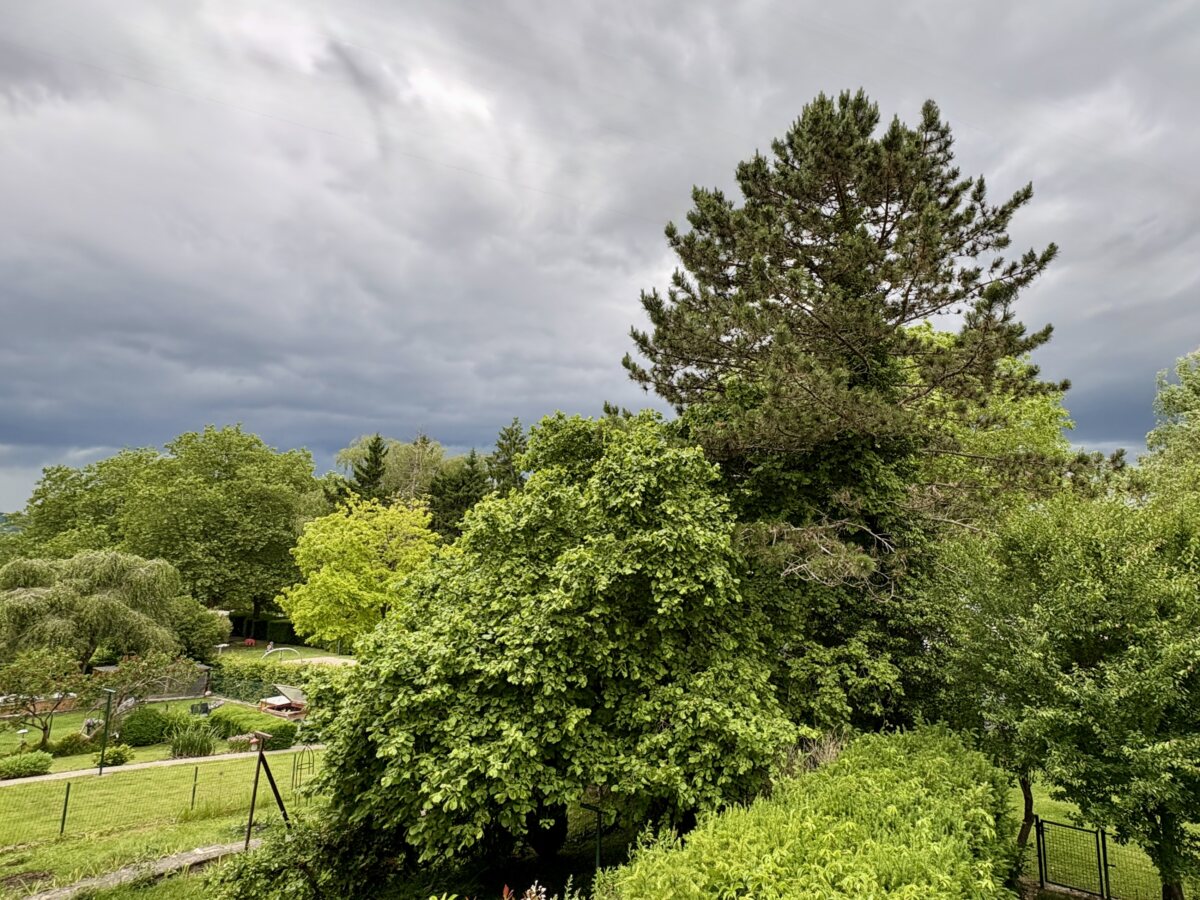
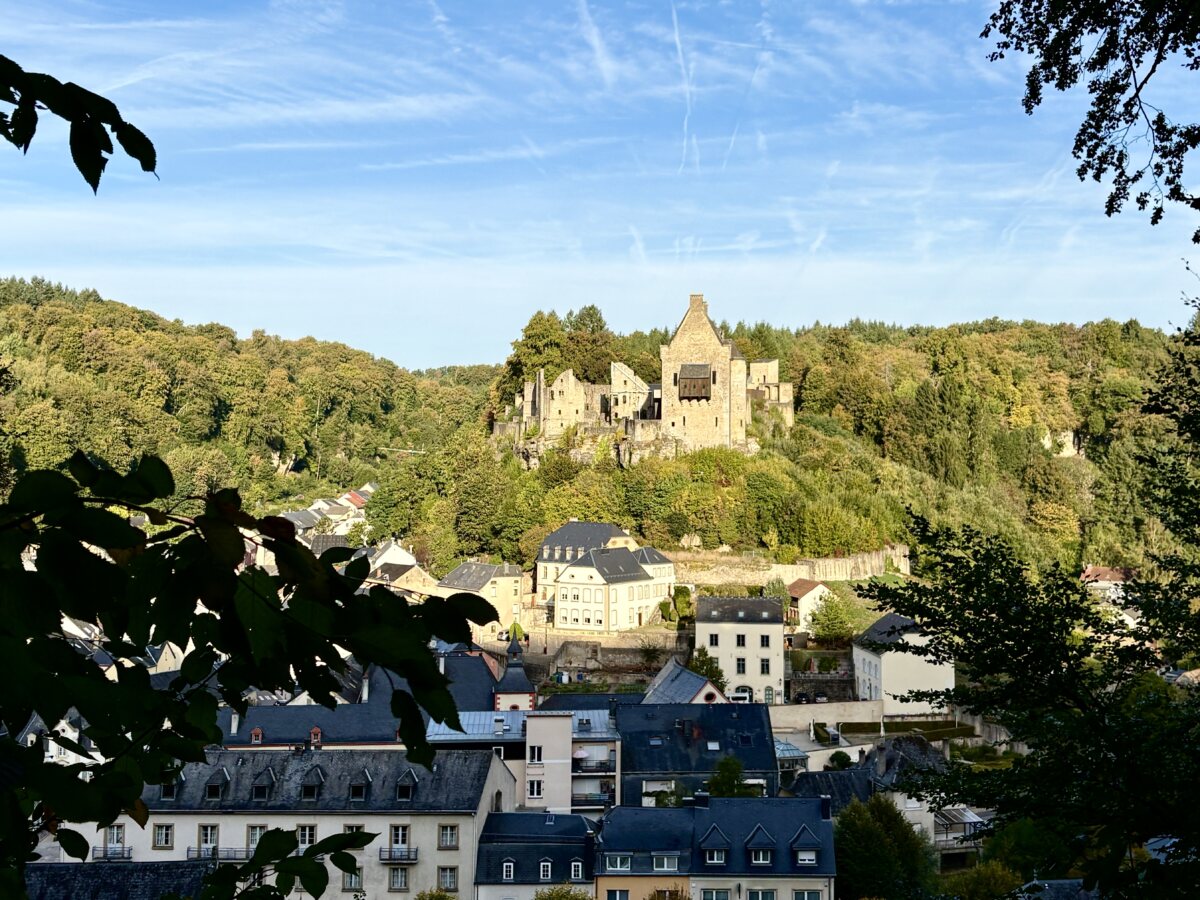
Larochette is a picturesque town tucked away in the central region of Luxembourg, often referred to as Little Switzerland. It sits deep in the narrow valley of the Ernz river, completely surrounded by dense forests and dramatic sandstone cliffs. This unique geographic position gave the town a natural defensive advantage during the Middle Ages.
Over the centuries, the valley provided both protection and valuable water power. The river helped transform Larochette into a bustling local industrial center from the late 18th century onward. Cloth mills, spinning factories and brush workshops dominated the local economy for generations before modern tourism and services took over.
The most Portuguese city in the Grand Duchy
The demographic situation in Larochette is one of the most fascinating social stories in modern Western Europe. Out of the roughly 2,200 residents living in the commune, foreign nationals make up a massive majority of the population. The Portuguese community represents the largest demographic group in town.
Data from the national statistical institute STATEC shows that Larochette regularly holds the highest proportion of Portuguese residents of any municipality in Luxembourg. In recent census records, around 40 to 44 percent of the total population holds Portuguese citizenship. This incredible concentration of families earned Larochette its famous nickname as the most Portuguese city in Luxembourg.
Demographic progression and the roots of integration
The steady arrival of Portuguese workers began during the late 1960s and early 1970s. Luxembourg needed labor for its expanding construction and service sectors, while many Portuguese families fled economic hardship and political instability. Larochette offered affordable housing in its former industrial properties, attracting early waves of migrants.
As the demographic shift progressed, local infrastructure adapted to serve the growing community. Larochette played a pioneering role in migrant integration, serving as one of the first places in the country to establish specialized Portuguese language classes and support programs for primary school children. Today, strolling through the central square feels like a delightful fusion of Iberian culture and traditional Luxembourgish valley life.
The imposing castle watching over the valley
High above the town square, perched dramatically on a sandstone promontory 50 metres above the valley floor, stands the imposing Larochette Castle. The site dates back to at least the 11th century, when the first stone fortification was constructed. By the 14th century, the castle grounds held several grand manor houses belonging to different noble families, including the House of Homburg and the House of Créhange.
A disastrous fire around 1565 reduced the majestic complex to ruins, leaving it abandoned for centuries. The Luxembourgish state acquired the property in 1979 and launched extensive archaeological excavations and restoration work. Today, the restored House of Créhange stands proud once again, serving as a venue for art exhibitions and concerts while offering visitors stunning panoramic views over the town below.