The massive water engine of the west
The Atlantic coast of France is famous for being an absolute paradise for surfers and a bit of a nightmare for relaxed swimmers. Unlike the peaceful Mediterranean which behaves like a giant warm bathtub the Atlantic Ocean is a serious piece of natural machinery. It constantly sends massive amounts of moving water crashing directly into the sandy French beaches.
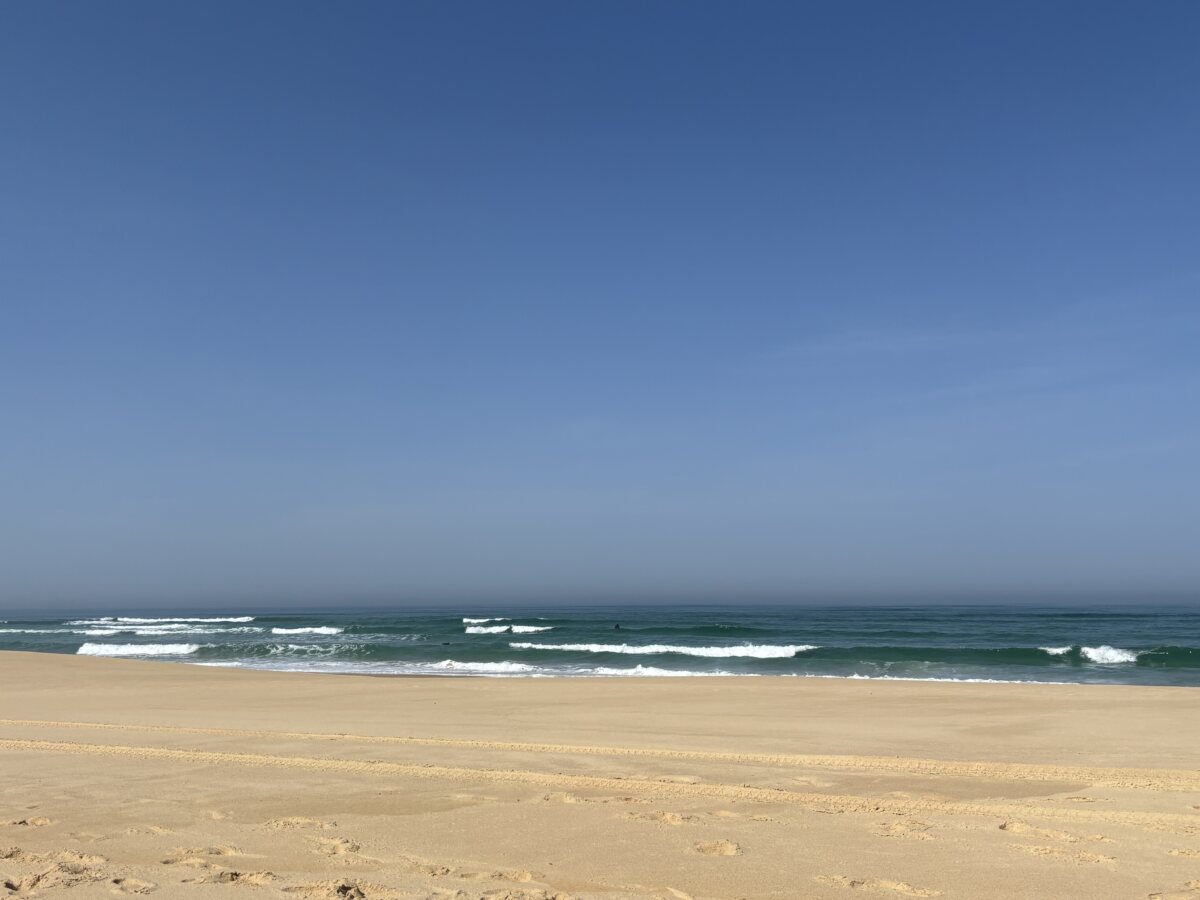
The size of these waves depends entirely on the underwater landscape and the weather systems moving across the open sea. On a calm summer day you might find gentle rolling swells that are perfect for splashing around.
When a proper storm system develops hundreds of miles away the situation changes completely. The waves can easily grow to several metres in height and create an incredibly loud roar that you can hear from deep inside the pine forests. It is a spectacular show of pure power that makes humans look completely insignificant.
The unique wave factory of La Salie
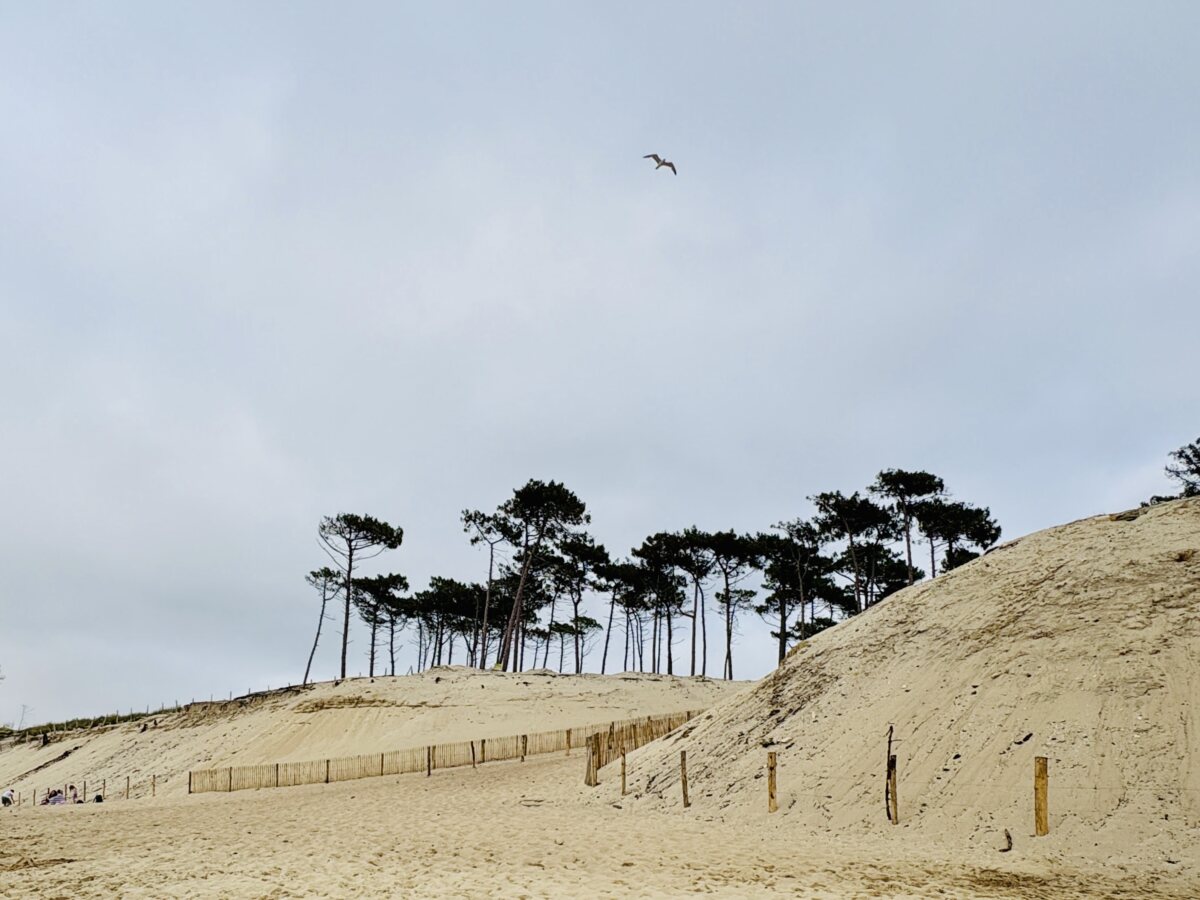
If you want to see this watery spectacle at its absolute best you have to visit the Plage de la Salie. This massive stretch of wilderness sits just south of Arcachon and acts as a giant magnet for ocean energy. The beach is completely exposed to the open Atlantic which means it catches every single swell moving towards the coast.
The geography here creates waves that are notoriously powerful and heavy. It is very common to see waves reaching two or three metres on a regular basis during the active seasons.
The sheer force of the moving water at La Salie is highly respected by local athletes. The ocean floor drops away quickly which causes the deep water swells to hit the shallow sandbanks with immense speed. The result is a highly reliable supply of large waves that can easily flip an unexperienced bodyboarder completely upside down.
When the ocean decides to get curly
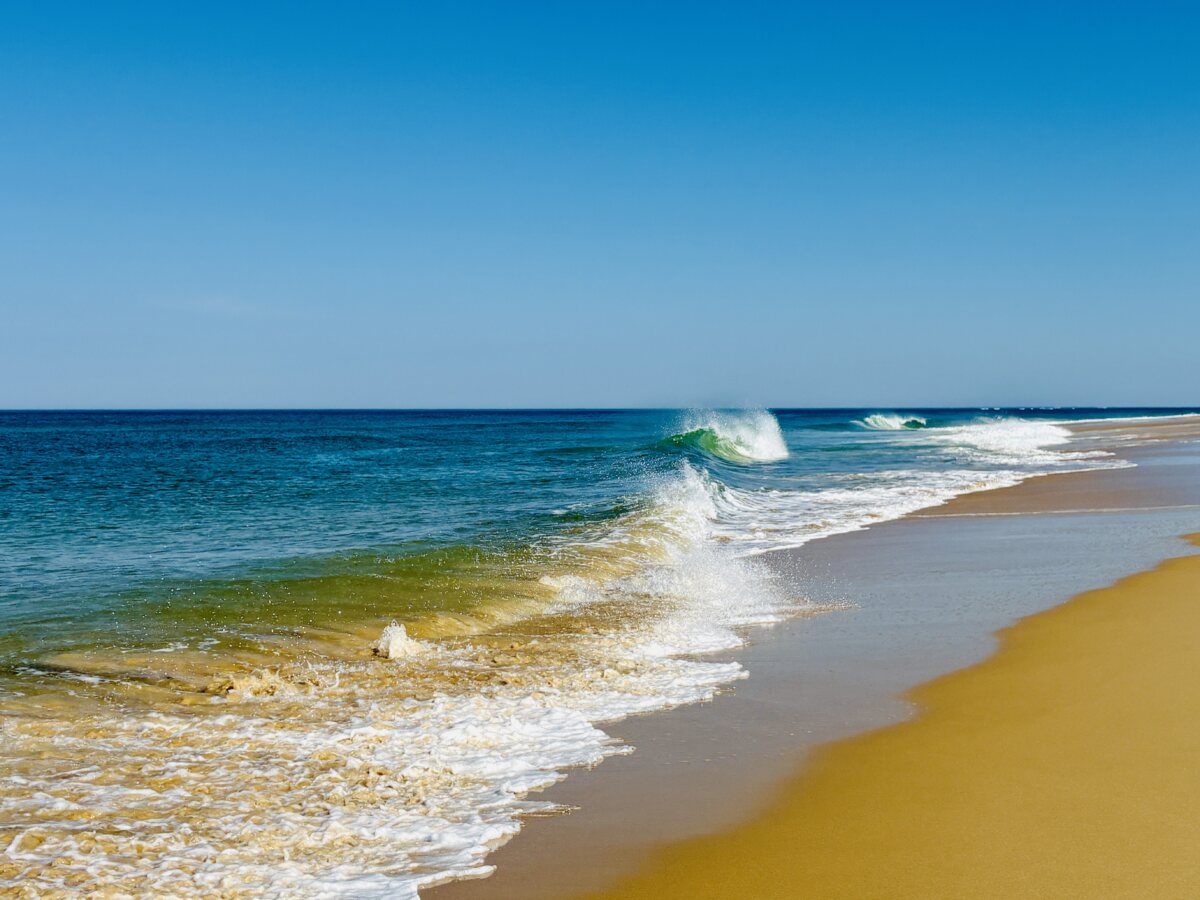
The real drama begins when the waves change their shape from smooth hills of water into what surfers call curly or hollow waves. This curling effect happens when the top part of the wave moves significantly faster than the bottom part. As the wave rushes into the shallow water near the shore the base is slowed down by the sandbank while the crest keeps flying forward.
This speed difference causes the wave to lean over and create a hollow tube of water before collapsing with a massive thud. These curly waves look absolutely beautiful in professional photographs but they are incredibly dangerous for the average tourist.
When a wave curls and breaks like a heavy liquid ceiling it traps a huge amount of air inside. This creates a highly unpredictable explosive force that can slam you directly into the hard sand with zero warning. It is the exact moment when the ocean stops being a fun playground and officially becomes a very aggressive washing machine.
Surviving the holiday surf circus
The dangerous nature of these curling waves is precisely why the local lifesavers spend their entire summer blowing whistles at oblivious swimmers. Many tourists turn up with cheap inflatable toys and try to launch themselves into breaks that are clearly designed for professional surfers.
The undertow and the rip currents generated by these heavy breaking waves can pull a person out into the open sea within seconds. If you see the water starting to curl and form heavy tubes it is definitely time to retreat to the safety of your dry beach towel.
Enjoying the view from the sand is a highly recommended strategy if you prefer keeping your dignity and your swimming shorts intact. The Atlantic waves are an amazing natural asset for the region but they have absolutely no mercy for people who forget to respect the rules of the sea.