A very ancient obsession with bivalves
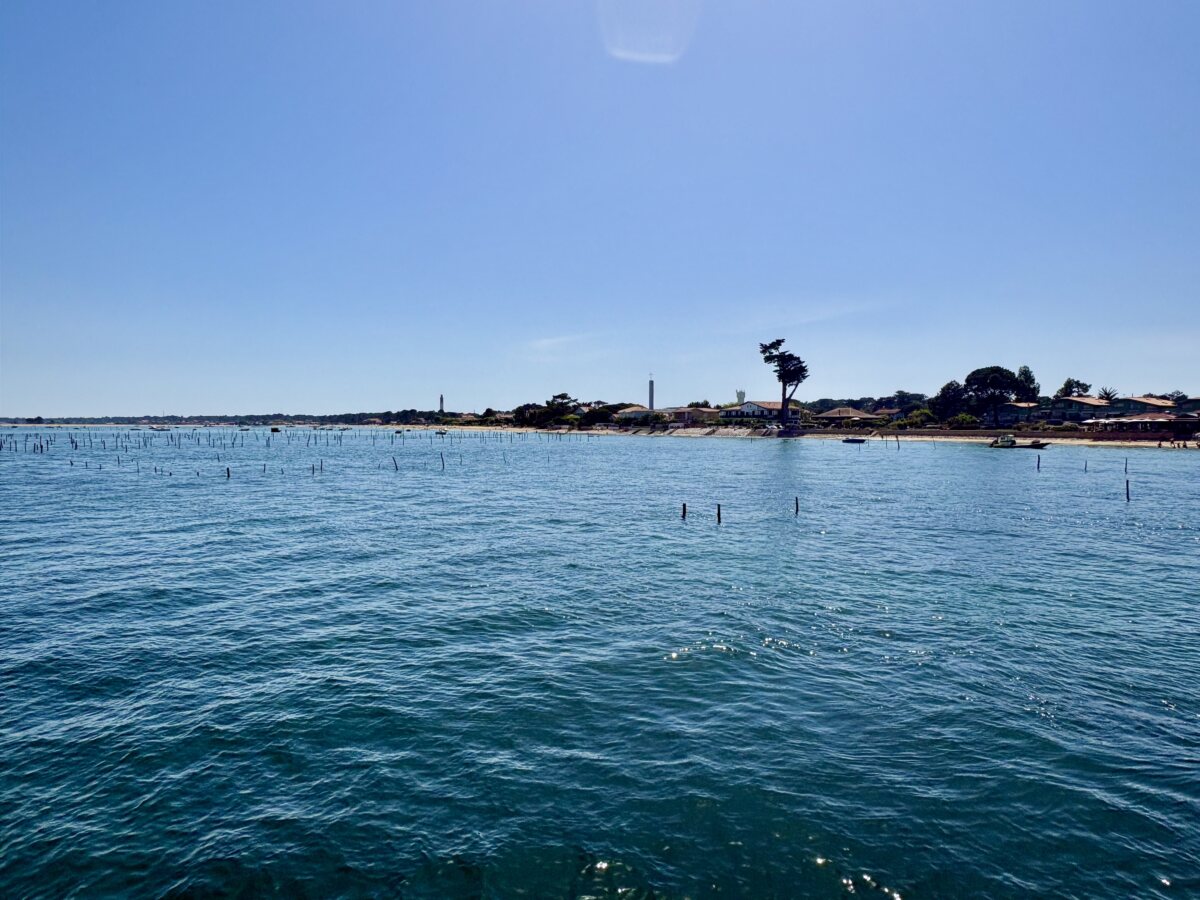
The oyster culture in the bay of Arcachon is not just a modern culinary trend for wealthy tourists. It is a deeply rooted historical tradition that has shaped the entire identity of the region for generations. The shallow waters of the bay provide the absolute perfect nursery for cultivating these slimy little creatures.
The local families have been working the muddy flats of the basin for over a century. They use a highly specialized technique that involves catching baby oysters on terracotta tiles coated with lime.
It is a backbreaking job that requires a huge amount of manual labour and a total disregard for cold winter water. The result of this endless scrubbing and sorting is some of the most famous seafood in Europe. The locals take immense pride in their product even if the average visitor just swallows them whole with a squeeze of lemon juice.
The glamorous huts of Cap Ferret
If you want to see how this traditional industry handles the influx of high society cash you need to visit the harbour of Cap Ferret. This narrow peninsula sits directly across the water from Arcachon and has become an incredibly trendy destination.
The traditional oyster farming districts here look like something out of a perfectly curated travel magazine. The wooden fishing shacks have been lovingly preserved and often painted in bright cheerful colours.
Many of these working ports now feature casual open air tasting terraces built right over the water. You can sit on a wooden bench and watch a real fisherman land a fresh batch of shellfish while you drink chilled white wine. It is a highly civilized setup where the grit of manual labor meets the wealth of Parisian holidaymakers. The prices are predictably premium but the view of the bay makes you forget how much you are spending on a plate of raw molluscs.
Gujan Mestras: The capital of the industry
While Cap Ferret handles the glamorous side of the business Gujan Mestras is where the actual hard work happens. This industrial town features 7 distinct oyster ports that are spread out along the southern edge of the bay. It is widely considered the absolute engine room of the local oyster culture.
The landscape here is much more focused on functional machinery and massive piles of plastic farming cages than tourist chic. Hundreds of professional farmers operate out of these busy harbours every single day.
They navigate the shifting tides of the basin in flat bottomed aluminum boats that look remarkably unromantic. Gujan Mestras even has a dedicated museum that explains the complex science of breeding oysters. It is a massive operation that ensures the rest of France has a steady supply of seafood for their Christmas dinner tables. The town lacks the boutique charm of the peninsula but it commands absolute respect for keeping the historic trade alive.
The predictable tourist feeding frenzy
The entire industry moves into overdrive when the peak summer holiday season arrives. The tasting shacks are instantly overwhelmed by thousands of tourists who suddenly decide that they are passionate experts in marine biology.
People crowd around the wooden tables to consume millions of oysters alongside blocks of local pate and salted butter. It is a highly efficient ritual that keeps the local economy afloat for the rest of the year.
The farmers have to work double shifts to keep up with the endless demand from the seaside restaurants. You can sit back and enjoy the incredible freshness of the catch while admiring the sheer scale of the operation. It is a fascinating mix of ancient farming and modern tourism that makes the muddy bay look incredibly successful.