The millionaire row with a split personality
The frontline property market in Arcachon is famous for charging some of the highest prices in the entire country. If you want a house with its toes directly in the sand you need to prepare yourself for a truly astronomical bill. However the actual visual reality of this premium coastline is likely to give any architectural purist a bit of a shock.
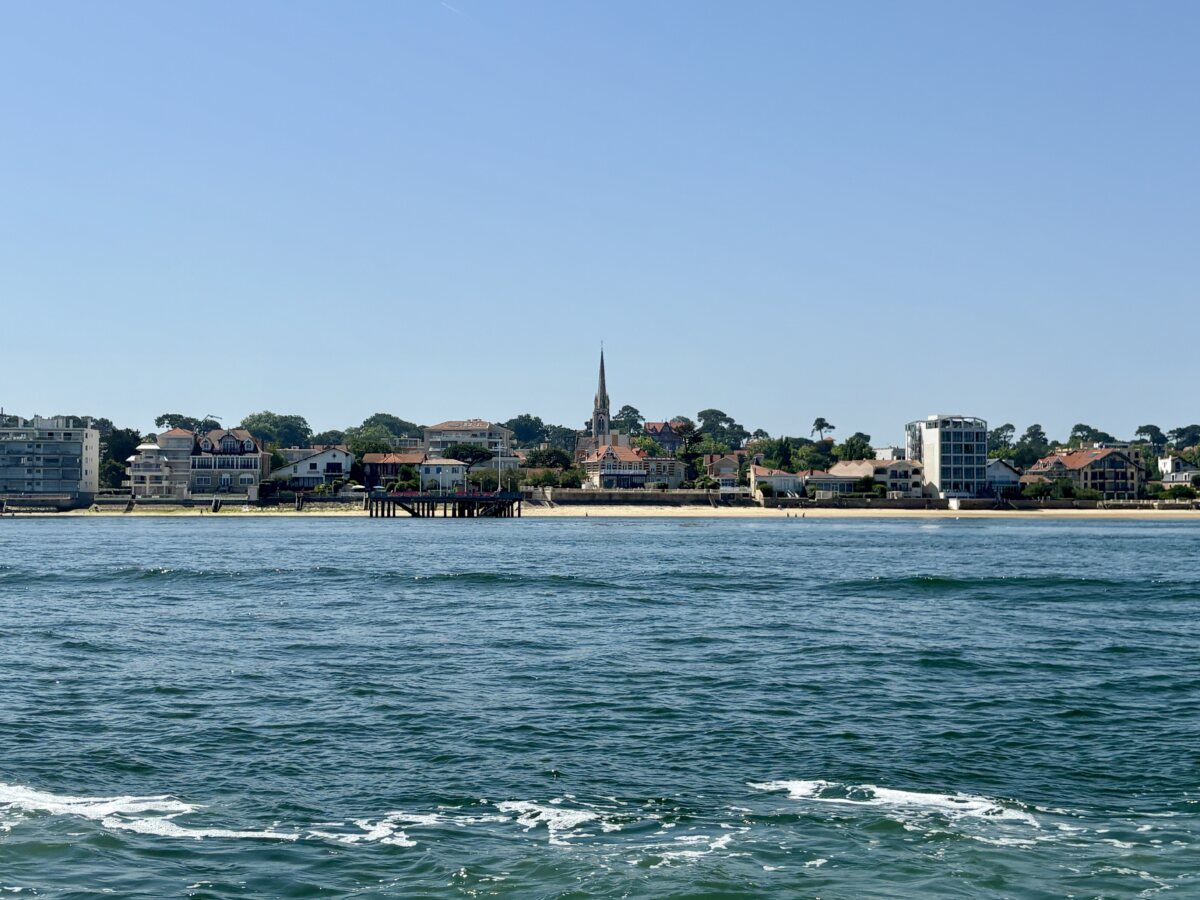
Instead of a perfectly uniform row of stunning historical masterpieces the beach street has evolved into a bizarre visual compromise. It is a highly unpredictable mixture of breathtaking nineteenth-century heritage and completely uninspiring modern construction.
You can stand on the sand and look up at a gorgeous wooden balcony from the Belle Époque era. If you turn your head just 3 degrees to the right your eyes will be punished by a flat wall of grey concrete. This architectural identity crisis is the direct result of rapid development choices made over the last few decades.
The glorious survivors of the golden age
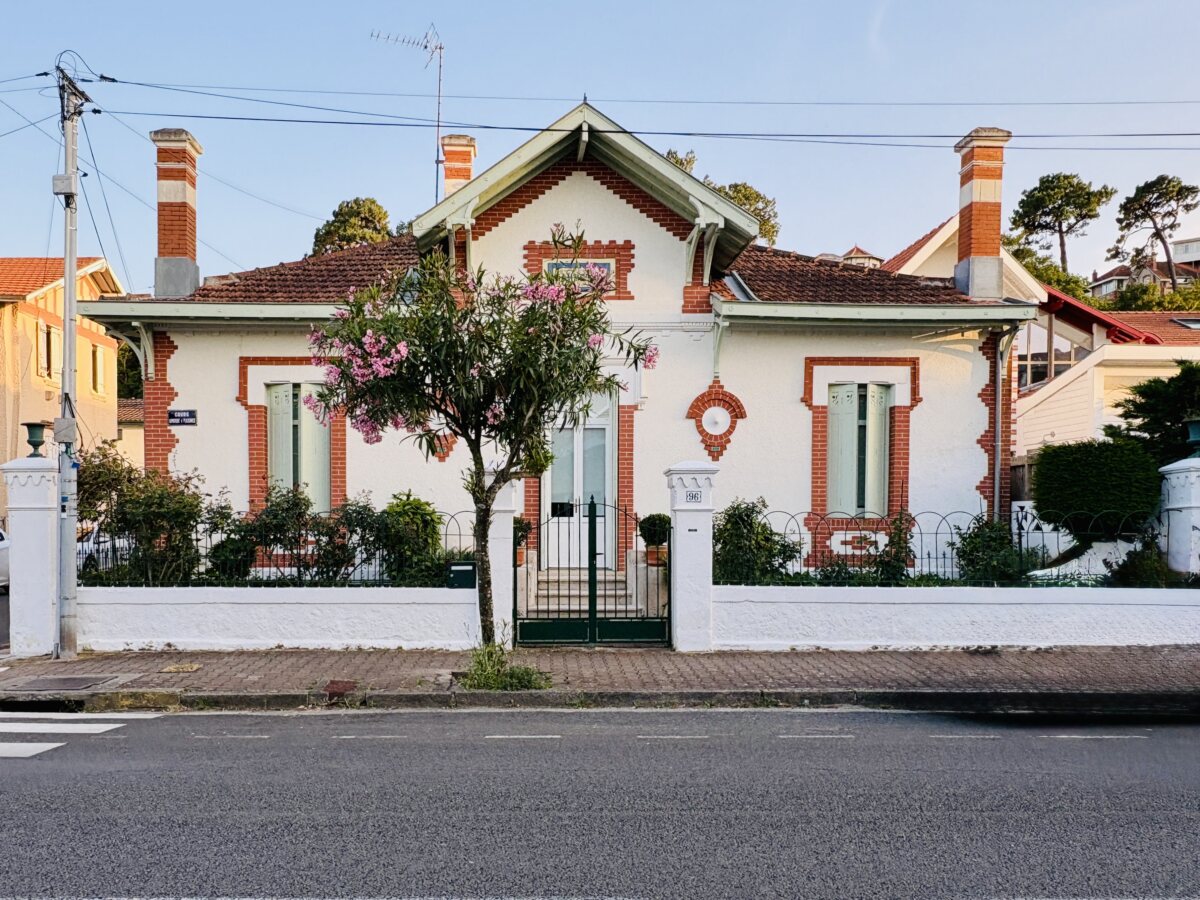
To understand how the beach row used to look you have to study the surviving historic villas that still cling to the waterfront. These houses represent the absolute peak of seaside luxury from a time when wealthy families came to cure their illnesses with fresh sea air.
They feature incredibly intricate woodwork and jagged decorative roofs and beautiful red brick accents. The architects of the late 19th century clearly had a total lack of restraint when it came to adding balconies and turrets.
These buildings possess an undeniable amount of charm and personality that makes them highly photogenic. They look exactly like the kind of coastal retreat where a wealthy merchant would sit with a glass of wine. The few remaining frontline villas are guarded like state treasures today because they are the last witnesses to the original style of the resort.
The tragic invasion of the concrete blocks
This romantic architectural dream came to a very abrupt halt during the middle of the 20th century. As tourism exploded and everyone wanted a flat with a sea view developers quickly realized they could make a fortune by building upwards.
The local authorities allowed many historic waterfront properties to be demolished to make room for high density housing. The result was a massive wave of construction that favored cheap practical structures over artistic elegance.
A long string of blocky apartment buildings quickly sprouted along the edge of the sand like aggressive grey mushrooms. These concrete structures look remarkably like the utilitarian blocks you might find in a regular city suburb. They maximize the number of balconies facing the water but they contribute absolutely nothing to the beauty of the landscape. It is a very stark reminder of what happens when pure financial greed overrides urban aesthetics.
A modern attempt to fix past mistakes
In recent years the architectural strategy along the beachfront has undergone another major shift. The local council finally realized that letting developers build ugly concrete walls was probably not the best long term plan for a premium resort.
Strict new planning laws were introduced to force modern builders to respect the local heritage. Any new apartment project on the front row must now include elements that mimic the traditional style of the region.
Developers are now forced to use natural wood and gently sloped roofs and warm color palettes to blend their concrete frames into the background. This has created a third style of building that looks like a modern interpretation of an old villa. It is certainly an improvement over the brutal blocks of the 1970s but it still cannot replace the authentic character of the old world. The beach row remains a fascinating timeline of human taste where billionaires happily pay millions to live inside a concrete box just to watch the sunset.