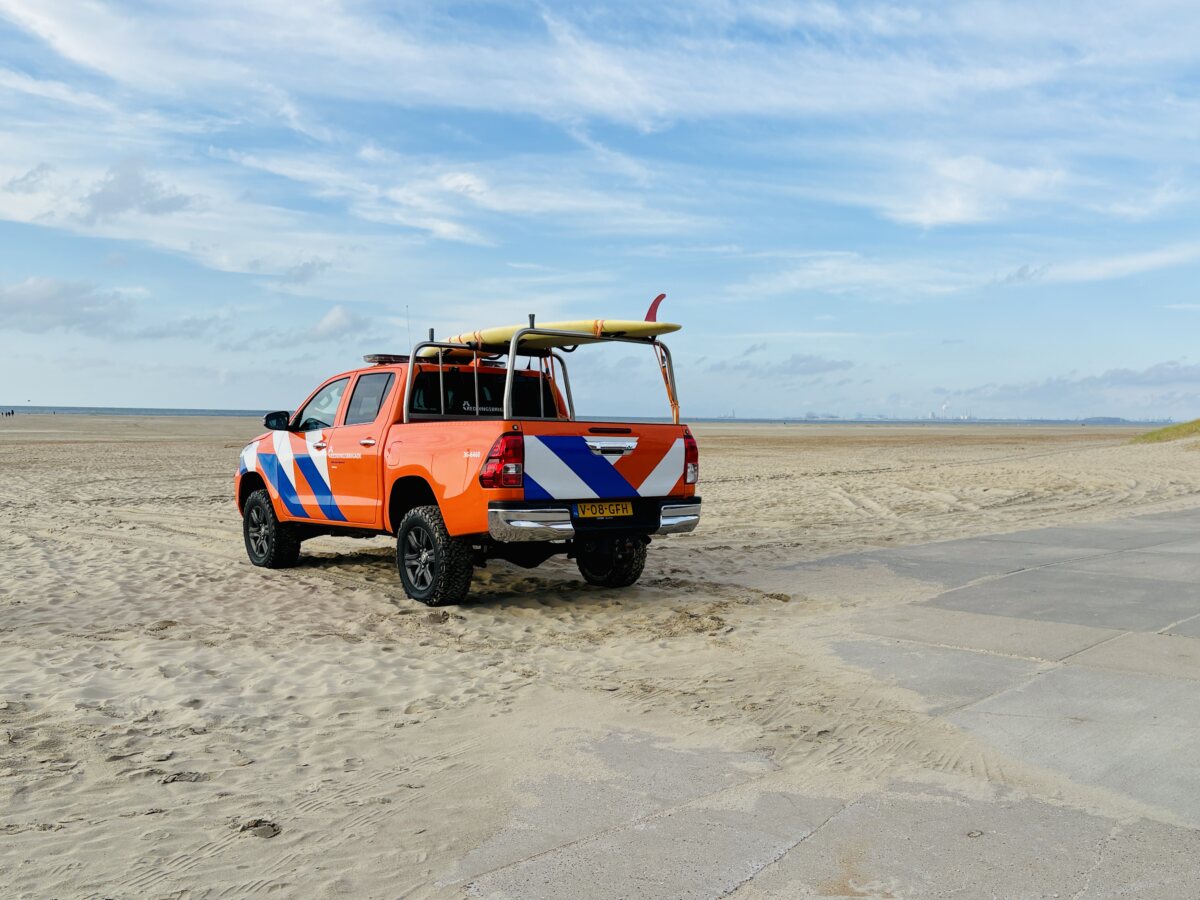
Endless sand dunes guarded by professionals and volunteers
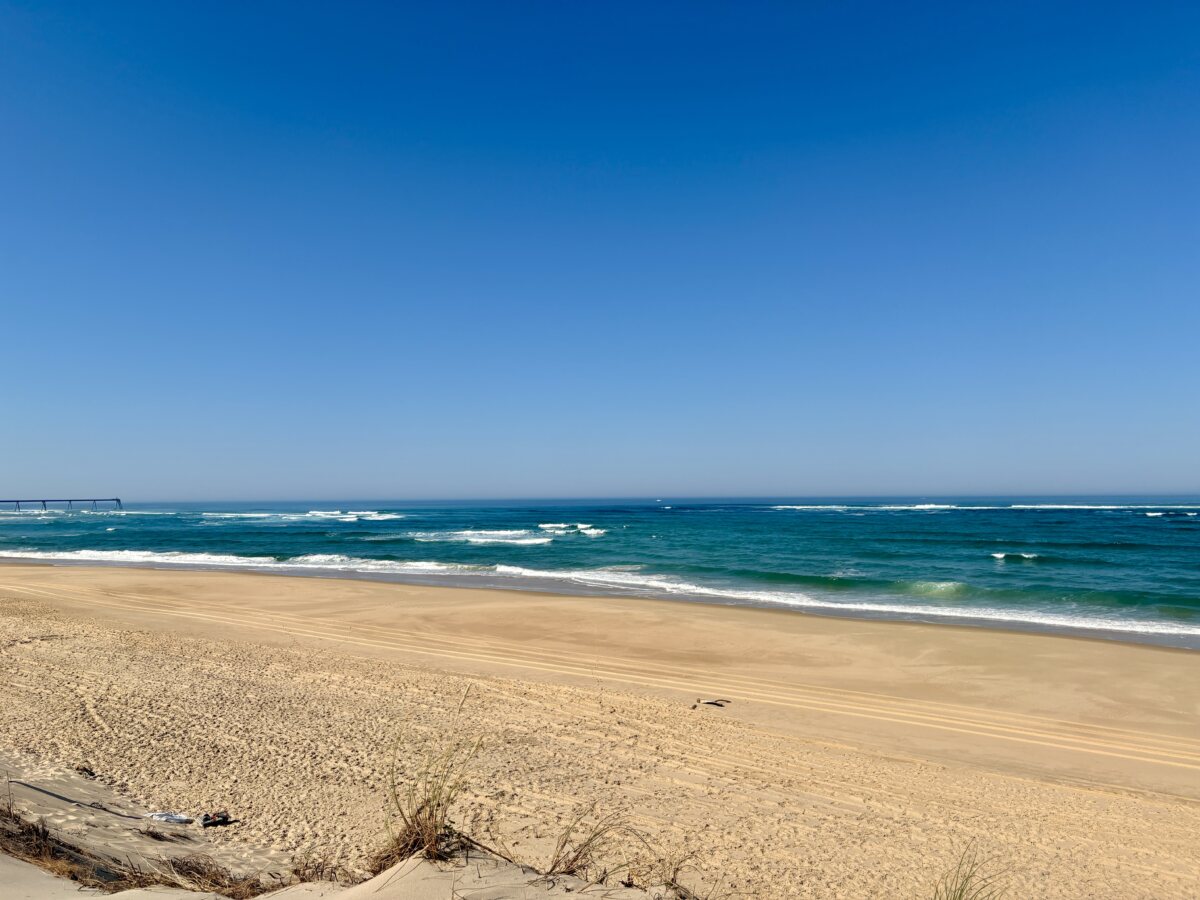
When people picture the Netherlands they usually think of windmills canals and flat fields of tulips. Few expect to find hundreds of kilometres of massive sandy beaches stretching along the North Sea coast. During sunny summer days these wide coastlines attract thousands of locals and tourists looking to cool off.
Managing safety across such massive stretches of sand is no small task. The Dutch coastline can feature strong currents treacherous rip tides and sudden weather shifts. To keep everyone safe an impressive national network of lifeguards keeps a watchful eye over the water.
A national network of orange trucks and local posts
Beach safety across the nation is primarily organised by Reddingsbrigade Nederland. This national lifesaving organization coordinates local volunteer brigades and professional units scattered all along the coast. They work closely with local municipalities and the sea rescue service to provide complete coverage.
If you stroll down the sand at Ouddorp you will instantly recognize their iconic mobile units. Lifeguards patrol the wide beaches in heavy duty 4×4 vehicles painted in bright high visibility orange with dark blue stripes. These rugged trucks are equipped with rescue gear first aid supplies and radio equipment to respond instantly to emergencies anywhere on the dunes.
Decoding the flag colors before taking a dip
To communicate conditions quickly lifeguards rely on a strict color coded flag system flown above their beach stations. A red over yellow flag means the post is open and qualified lifeguards are actively supervising the water. A solid yellow flag warns swimmers that conditions are dangerous and extra caution is needed.
A solid red flag indicates extreme danger meaning swimming is strictly discouraged or forbidden. An orange windsock warns visitors that offshore winds are present making inflatable toys dangerously unsafe. Lifeguards also fly a flag with a question mark when a lost child has been found and needs to be reunited with parents.
Real time safety updates on your smartphone
The Dutch approach to beach safety goes well beyond physical flags and four wheel drive trucks. The organization relies on modern technology to keep visitors informed before they even step onto the sand. Official platforms like the Strand App provide real time safety updates directly to your smartphone.
Visitors can check the app to see which lifeguard stations are open and what flag conditions are currently flying. The system sends alerts if dangerous currents develop or if wind conditions change suddenly. It is a smart digital layer of protection that helps ensure a sunny day at the beach remains completely hassle free.