The massive green guards of the dunes
The Atlantic coast of France is famous for its long sandy beaches and its absolutely massive pine forests. As you drive towards the ocean you are guaranteed to find yourself surrounded by millions of these tall conifers. They form a giant green wall that stretches for miles along the coastline and creates a very unique seaside landscape.
These trees are specifically known as maritime pines and they are perfectly adapted to the harsh coastal environment.They spend their entire lives dealing with poor sandy soil and salty winds blowing in from the open ocean. Instead of dying they actually thrive in these difficult conditions and cover huge portions of the region.
The forest provides a wonderful smell of fresh resin that mixes beautifully with the salty sea air. It is a highly signature scent that instantly lets you know that your summer holiday has officially begun. Walking through these woods is a popular activity for tourists who want to escape the intense afternoon heat of the open beach.
Breaking the ten metre height myth
Many visitors who only glance at the younger trees near the edge of the sand might assume that these pines are relatively modest in size. It is a very common misconception to think that they usually only reach up to about 10 metres high.
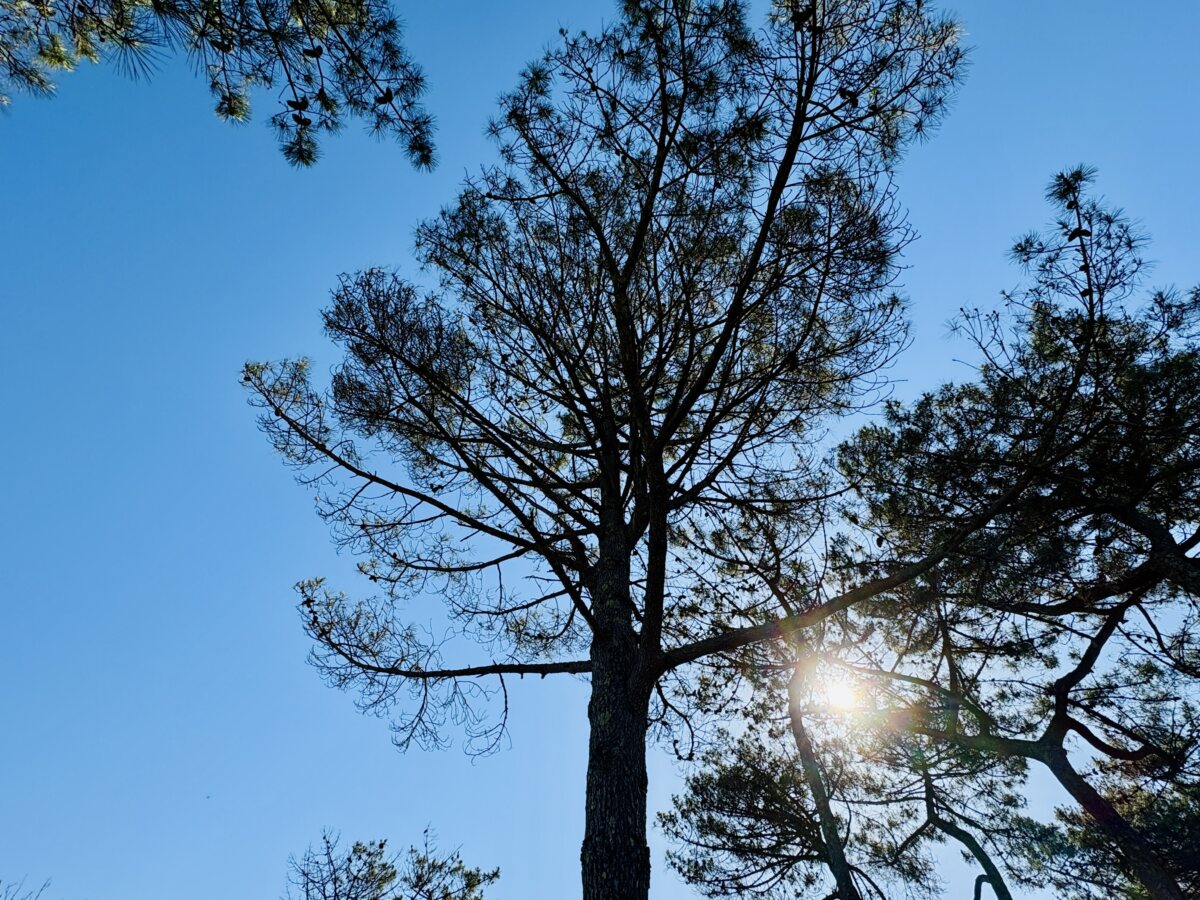
In reality a mature maritime pine is an absolute giant that completely laughs at a 10 metre limit. When these trees reach maturity they regularly shoot up to heights between 20 and 30 metres. Some exceptional specimens can even grow well past 35 metres if they find a spot with a bit of shelter from the strongest gales.
The confusion happens because the trees closest to the ocean are often stunted and twisted by the brutal sea winds. These frontline pines look like small battered bushes because they absorb the full force of the Atlantic weather. If you venture just a few hundred metres inland you will quickly discover the true scale of these towering wooden pillars.
The sticky reality of a resin forest
Living next to millions of giant pine trees is not always a completely peaceful experience for the local population. The maritime pine is an incredibly resinous tree which means it is constantly dripping sticky sap onto everything beneath it.
If you make the mistake of parking your shiny holiday car under the shade of a pine branch you will regret it. You will return from the beach to find your vehicle covered in tiny clear drops of natural glue that are almost impossible to wash off.
The trees also drop millions of giant pine cones and long sharp needles every single year. The forest floor is covered in a thick brown carpet that is highly satisfying to crunch under your shoes but incredibly painful to walk on barefoot. The locals have to spend a significant amount of time cleaning this debris out of their garden gutters before the autumn rains arrive.
Why they are actually quite useful
The massive pine forest was not actually created by nature just to give tourists a nice backdrop for their holiday photos. A large part of the forest was planted by humans back in the nineteenth century for a very serious practical purpose.
The moving sand dunes were slowly swallowing up local villages and fields as the wind pushed them inland. The French authorities decided to plant a massive network of maritime pines to act as a giant wooden shield. The deep roots of the trees successfully anchored the shifting sandbanks and saved the entire region from being buried.
Today the forest is also a major economic asset that produces a massive amount of timber for construction and flooring. It is a highly efficient system where the trees protect the coastline while providing jobs for the local community. You can admire their giant green branches while feeling glad that these 30 metre protectors are standing between the ocean and the towns.