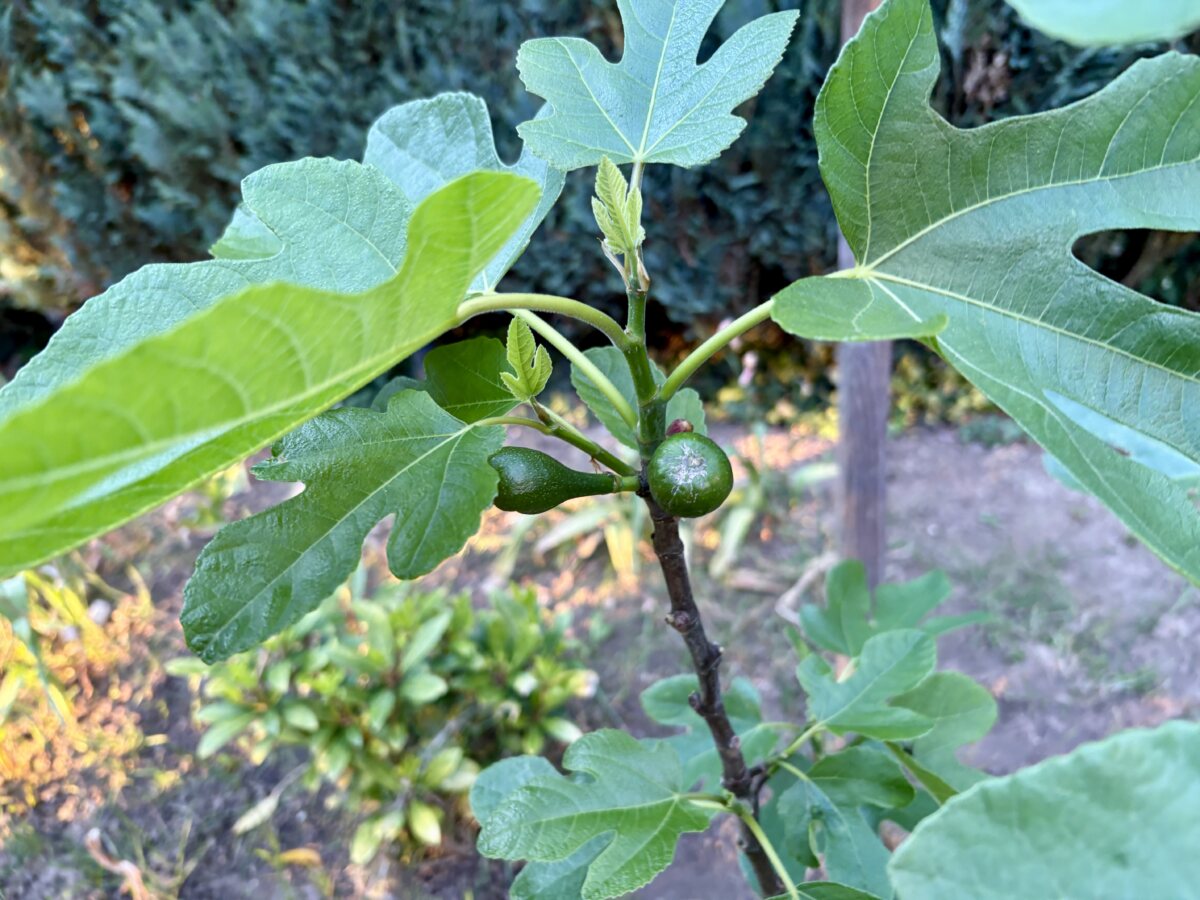
The exotic newcomer in the backyard
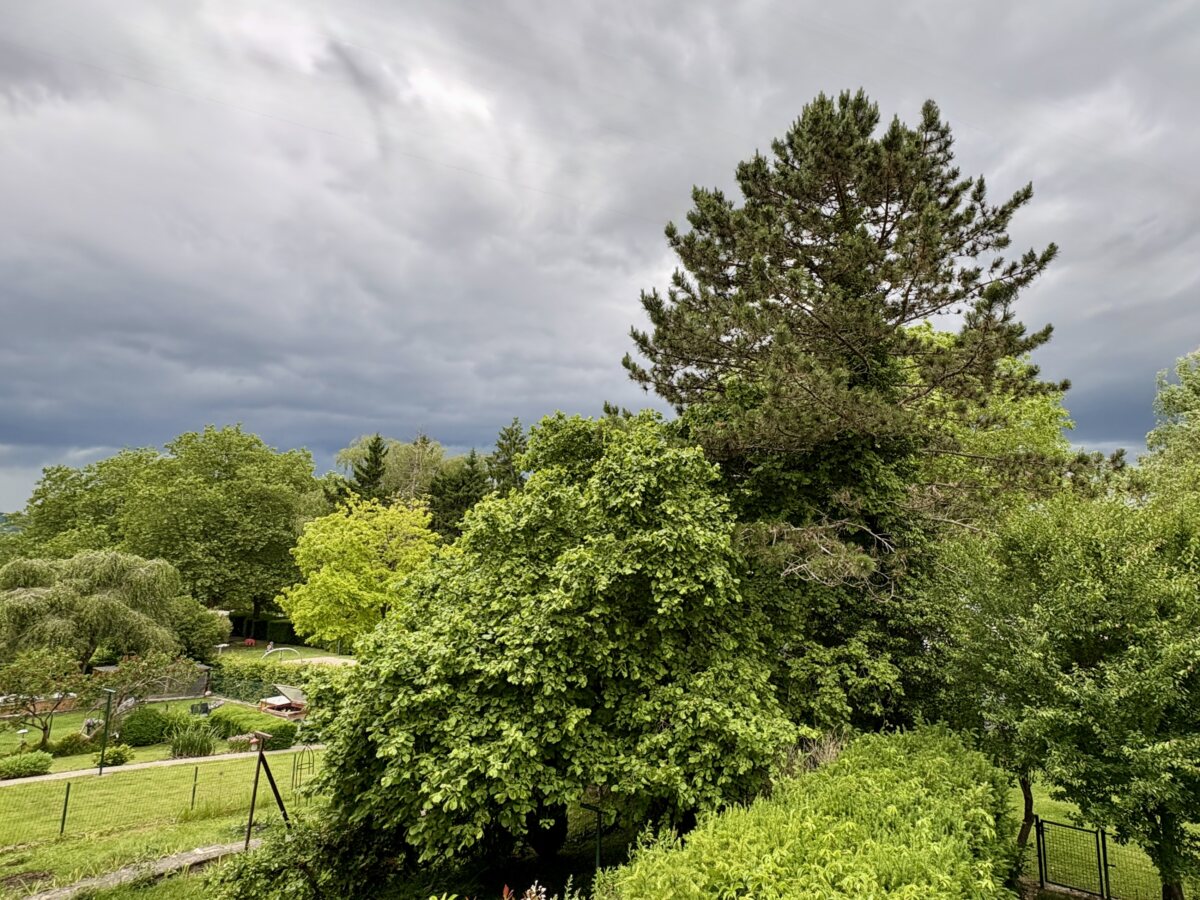
For many decades a local resident in Luxembourg would never have dreamed of planting a Mediterranean fruit tree directly into their garden soil. The cold winters and damp summers meant that such plants were strictly confined to indoor pots or specialized greenhouses. Today the local landscape is telling a very different story as a surprising botanical newcomer takes root across the Grand Duchy.
It is now entirely possible to plant a fig tree in a standard Luxembourgish backyard and watch it thrive open to the elements. This single annual harvest is certainly a far cry from the reality in southern or central Europe where the hotter sun allows for multiple plentiful harvests per season. However the mere fact that a fig tree can survive the winter and yield fruit at all represents a massive shift compared to the historical baseline of the region.
The hard data behind the green fingers
This gardening transformation is not a random stroke of horticultural luck but the direct result of a measured environmental shift. The meteorological data for the region confirms that the local climate has been steadily reorganising itself over the last few decades.
The average annual temperature in Luxembourg has risen by approximately 1.3 degrees Celsius since the late 20th century. More importantly the frequency of deep prolonged winter frosts has plummeted dramatically.
The country is experiencing significantly milder winters and much warmer drier summer months. This atmospheric upgrade provides exactly the kind of extended growing window that robust Mediterranean varieties need to establish themselves. The local soil is effectively absorbing more heat energy throughout the year which fundamentally expands what can be grown in the area.
The creative adaptation of the southern vineyards
While northern gardeners are busy welcoming new plants the traditional agricultural powerhouses further south are facing a completely different set of adjustments. A popular rumor suggests that the historic vineyards of the Bordeaux region are gradually digging up their vines to make room for massive groves of oranges and other citrus fruits.
The actual reality in the French fields is far more calculated and sophisticated than a sudden swap to exotic citrus. Wine production is a massive economic engine and local authorities are choosing to adapt their current crops rather than completely abandoning them.
Instead of planting orange trees Bordeaux authorities have recently modified their strict legal framework to permit the introduction of entirely new heat resistant grape varieties. Winemakers are now legally allowed to blend untraditional grapes like the Portuguese Touriga Nacional into their classic mixes to combat rising sugar levels. The region is actively re-engineering its traditional industry to preserve its identity in the face of earlier harvests.
A new baseline for European agriculture
The shifting habits of both the Luxembourgish gardener and the French winemaker showcase a highly flexible approach to environmental realities. These practical adjustments prove that European agriculture is capable of evolving at an incredible speed when conditions demand it.
The transformation of a northern backyard into a functional fruit orchard is a fascinating preview of how the continental landscape will look in the coming decades. It is an era where traditional boundaries are blurring and classic regional crops are slowly migrating northward.
As the seasons continue to deliver warmer averages the definition of a local plant will inevitably keep expanding. Individuals will continue to exploit these new opportunities by experimenting with different varieties and adjusting their techniques. The appearance of a ripe fig in a chilly northern climate is no longer a strange anomaly but a permanent feature of the modern European garden.