The man behind the name
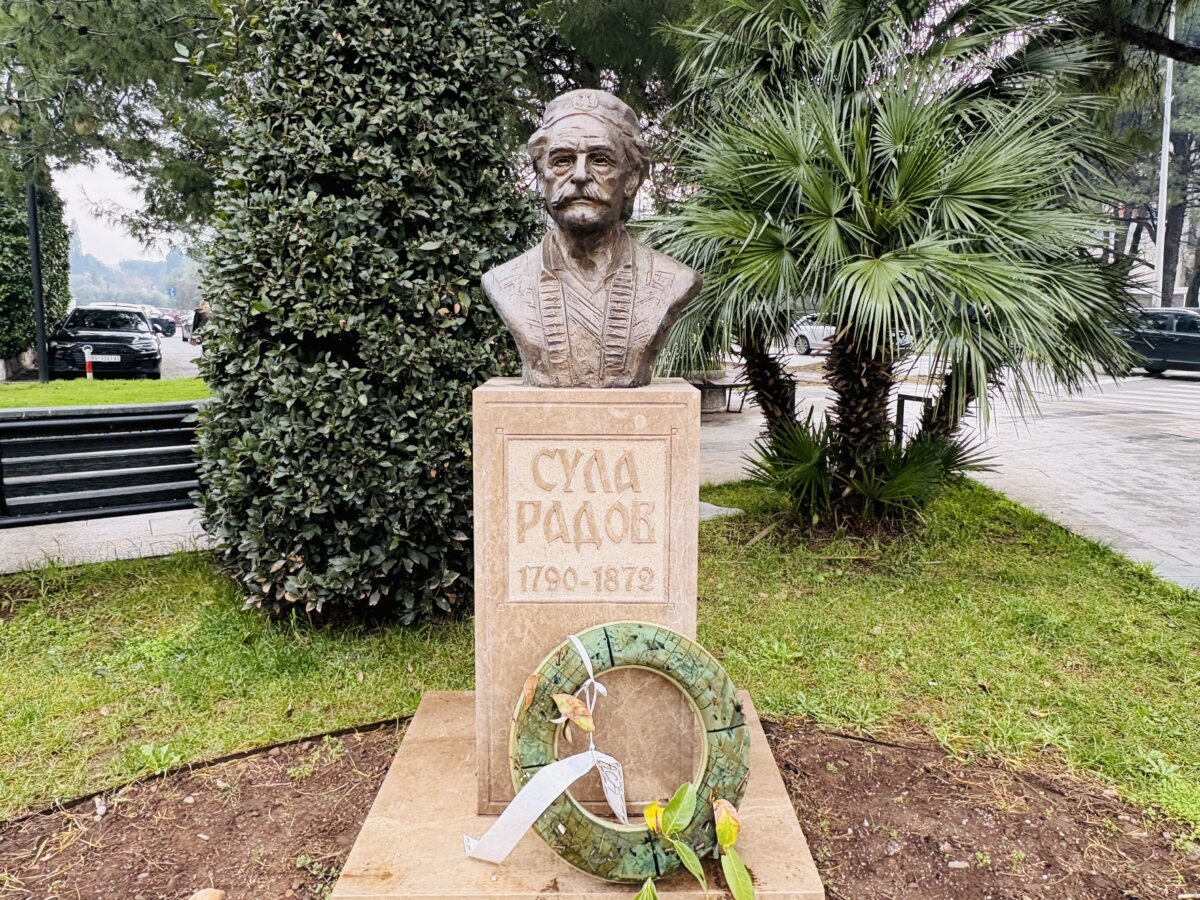
If you walk through Podgorica and see the inscription СУЛА РАДОВ you might wonder who this mysterious figure was. The answer is surprisingly impressive. Sula Radov was the nickname of Kostadin Radov Radulović, a respected captain, judge, guardian and folk sage from the late eighteenth and nineteenth century. He lived roughly between 1790 and 1872 which means he witnessed some of the most turbulent chapters of Montenegrin history.
He was known for his wisdom and his strong moral code. People trusted him to settle disputes and guide communities. His sayings and teachings became part of Montenegrin oral tradition. In other words he was the kind of man who did not need social media to become influential.
A life rooted in Montenegrin tradition
Sula Radov was born in Komani near Podgorica. He served as a captain and later as a judge. He was also a guardian which in old Montenegro meant someone who protected the community and upheld customary law. He lived during the time of four Petrović Njegoš rulers. Petar I, Petar II, Danilo and King Nikola all belonged to the same dynasty that shaped modern Montenegro.
Being a contemporary of these rulers meant that Sula Radov was part of a period when Montenegro was defining its identity. His role in local justice and tradition made him a respected figure whose influence lasted long after his lifetime.
The statue in Podgorica
The bust of Sula Radov was recently installed in Podgorica. It stands preko Morače near the business centre Kruševac. The statue was created by Montenegrin sculptor Slavenko Rakočević also known as Rakoč. It was donated to the city by the Sula Radov Foundation which aims to preserve the memory of this historical figure.
The bust shows him with a calm but determined expression. It is the kind of face that suggests he could settle an argument simply by raising an eyebrow. The statue fits well in the area and adds a touch of history to a modern part of the city.
Why he still matters
Sula Radov is remembered not because he led armies or built monuments but because he represented wisdom and fairness. His teachings survived through stories and sayings passed from one generation to the next. In a region where oral tradition is strong this is a sign of true respect.
The statue is a reminder of a time when community leaders were chosen for their character rather than their popularity. It also shows how Montenegro values its cultural heritage even in the middle of a fast changing capital.