The Esterházy family and their ticking treasures
The Esterházy family didn’t just build palaces and throw lavish parties. They also had a thing for clocks. Not just any clocks, mind you. We’re talking about handcrafted, gold-trimmed, artistically flamboyant timepieces that could probably tell the time in Latin if asked nicely.
Their collection is one of the largest in Central Europe. It spans centuries, styles, and levels of extravagance that make your kitchen timer look like a sad plastic potato. These clocks were not just for telling time. They were status symbols, conversation starters, and possibly a way to show off to the Habsburgs.
Esterházy Palace in Fertőd: the Hungarian Versailles
If you’re wondering where to see these beauties, head to Fertőd in Hungary. The Esterházy Palace there is often called the Hungarian Versailles. It’s big, it’s baroque, and it’s got more rooms than you can count without a nap.
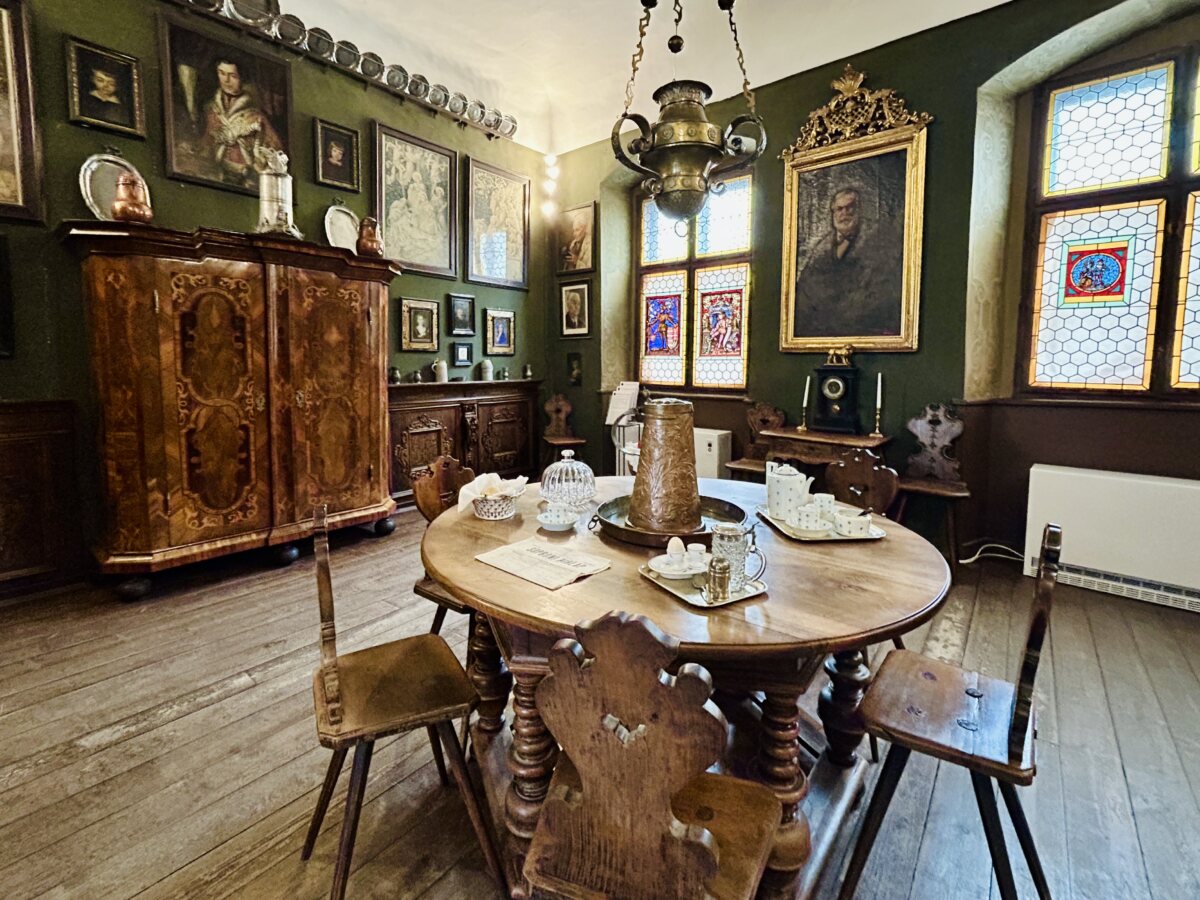
Among its many treasures, the palace houses a stunning selection of clocks. They’re displayed in rooms that once echoed with Haydn’s music and the clinking of champagne glasses. The clocks are part of the permanent exhibition and they’re not just stuck in corners. They’re given pride of place, as they should be.
The Baillon bronze mantel clock: a Parisian diva
One standout piece is the bronze mantel clock from the Baillon Workshop in Paris. Made at the end of the 18th century, it’s currently living its best life in the Esterházy Palace Museum. This clock is not shy. It’s got curves, gilded details, and the kind of craftsmanship that makes you wonder if modern clocks have just given up.
Baillon was one of the top clockmakers in Paris, and this piece shows it. It’s elegant, precise, and probably more reliable than your phone alarm. It’s also a reminder that the Esterházys didn’t just collect clocks. They collected masterpieces.
Other castles, other clocks
The Esterházy clock obsession wasn’t limited to Fertőd. Other family residences, like the one in Eisenstadt (now in Austria), also boast impressive timepieces. These clocks are scattered across museums, private collections, and possibly a few dusty attics waiting to be rediscovered.
Each clock tells a story. Some ticked through revolutions, others through royal visits. Some probably witnessed arguments about who ate the last marzipan. They’re historical witnesses with gears.