The birth of a landmark
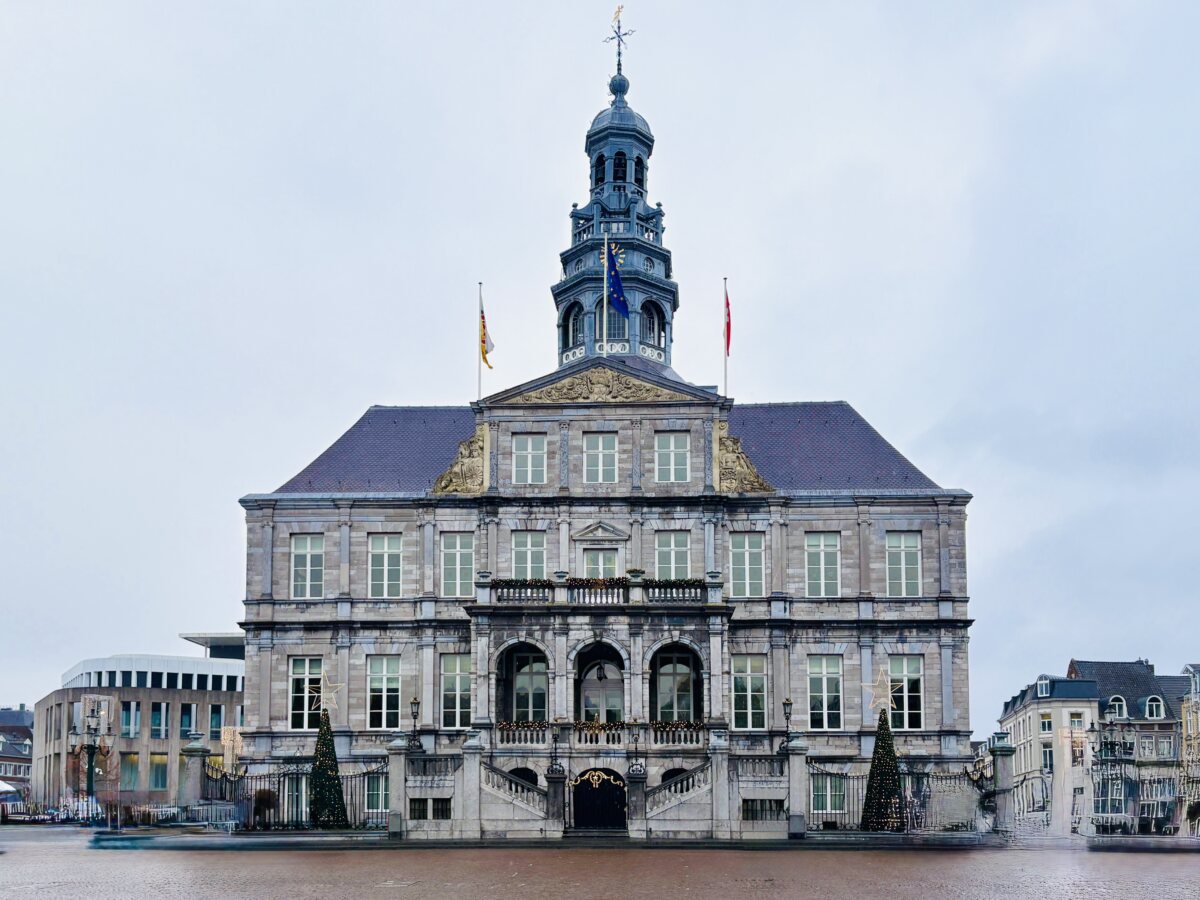
The Maastricht town hall stands proudly on the Markt and has done so since the seventeenth century. Construction began in 1659 and the building was completed in 1664. This was a time when the city was jointly governed by the Dutch Republic and the Prince Bishop of Liège. A complicated arrangement that probably required a very sturdy building to survive all the discussions.
The architect was Pieter Post. He was one of the great names of Dutch classicism. His style was elegant, balanced and slightly theatrical. The town hall reflects this perfectly. It has a symmetrical façade, tall windows and a tower that seems determined to be noticed from every angle.
The artistic style
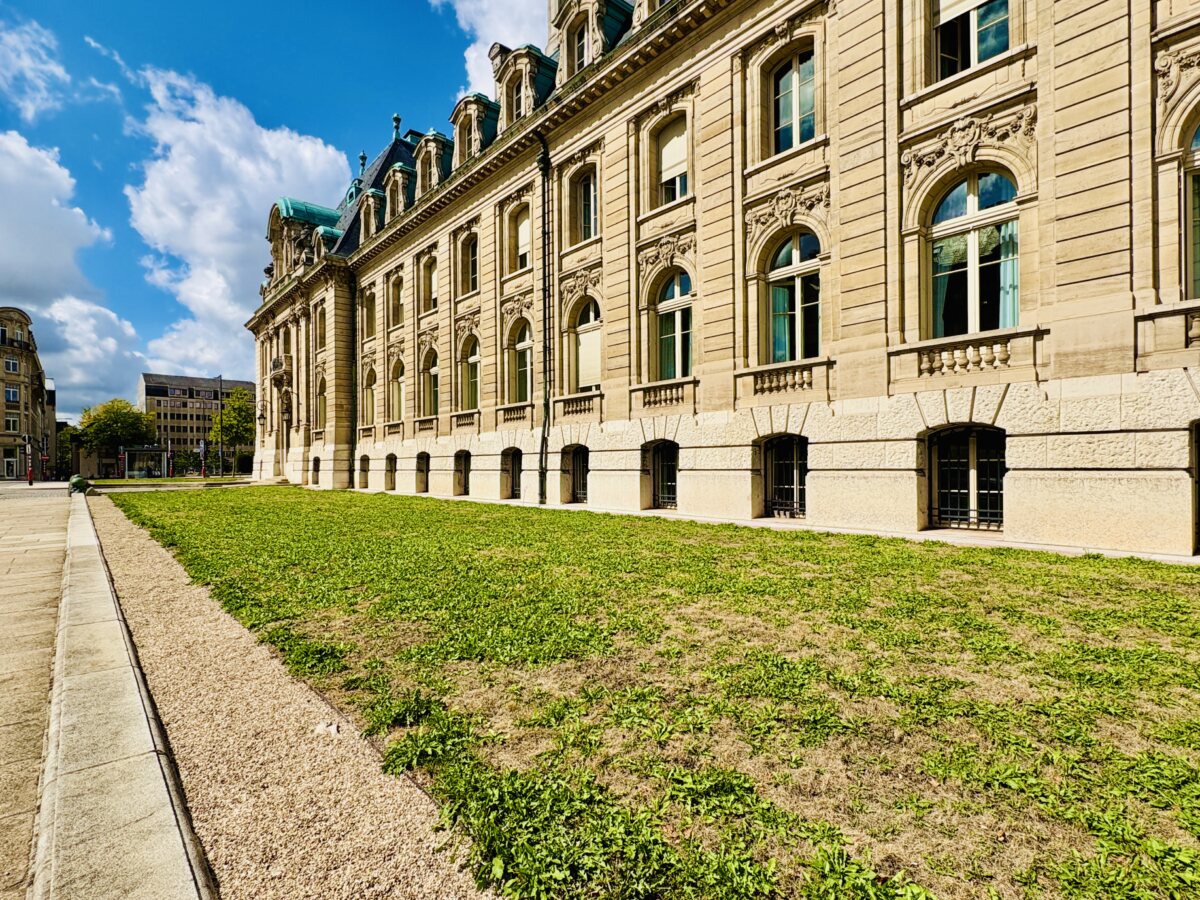
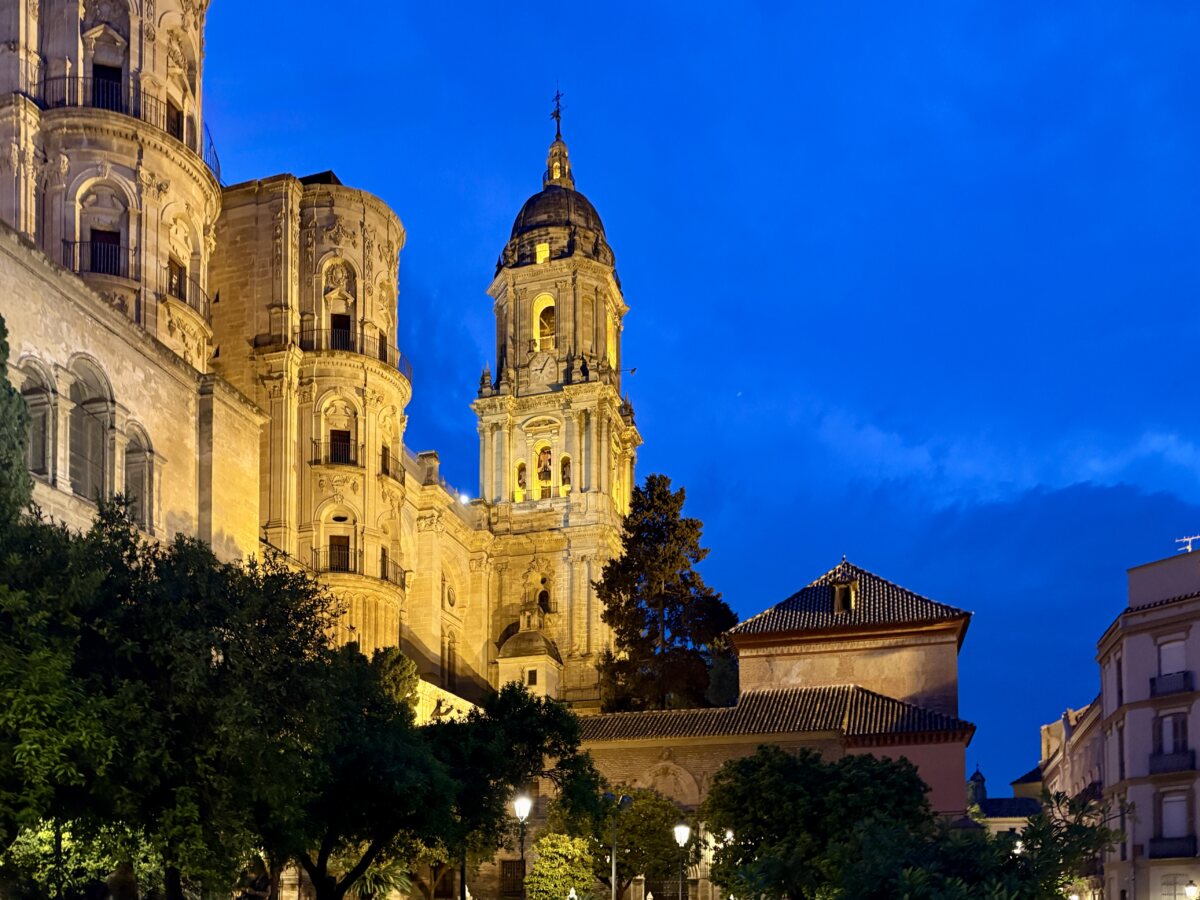
The building is a fine example of Dutch classicist architecture. It is grand without being overwhelming. The stone façade is decorated with refined details that show the influence of Renaissance ideas. The tower is the star of the show. It rises above the Markt with a calm confidence and contains a carillon that still plays melodies across the square.
Inside the building you find richly decorated rooms. Tapestries, paintings and carved woodwork remind visitors that this was once a place where important decisions were made. It still feels like a building that expects people to behave themselves.
Key dates and historical moments
1659 marks the start of construction. 1664 is the year the building was officially completed. In 1748 the tower was damaged during the War of the Austrian Succession and later rebuilt. In the nineteenth century the building underwent several restorations to preserve its structure and beauty.
The town hall has witnessed countless events. From royal visits to political negotiations. From market days to public celebrations. It has stood through wars, occupations and the slow but steady transformation of Maastricht into the lively city it is today.
Personalities linked to the building
Pieter Post, the architect, is the most important figure connected to the town hall. He was a leading architect of his time and worked on many prestigious buildings across the Netherlands.
Another key figure is Johan de Witt, the powerful Dutch statesman. He never governed from Maastricht but he approved the construction of the town hall during the period when the Dutch Republic shared control of the city. His influence shaped the political climate in which the building was created.
Local mayors and governors also left their mark. Some were loved. Some were tolerated. All of them walked through the same grand entrance and sat in the same council chambers.
The role of the town hall
The town hall has always been the administrative heart of Maastricht. It hosted council meetings, official ceremonies and important decisions about the city’s future. Today it still serves as the seat of the municipal government. Weddings also take place here which adds a romantic touch to a building that has seen more paperwork than passion.
In the Netherlands town halls play a central role in local governance. They are the place where citizens register births, marriages and new addresses. They are also symbols of civic pride. Maastricht’s town hall is one of the most beautiful examples in the country.