Kőszeg Castle, tucked away in western Hungary, is not just another pile of old stones. It’s a fortress with flair. Built in the 13th century, it was the pride of the Kőszegi family. Later, it became the stage for one of the most eyebrow-raising military standoffs in European history.
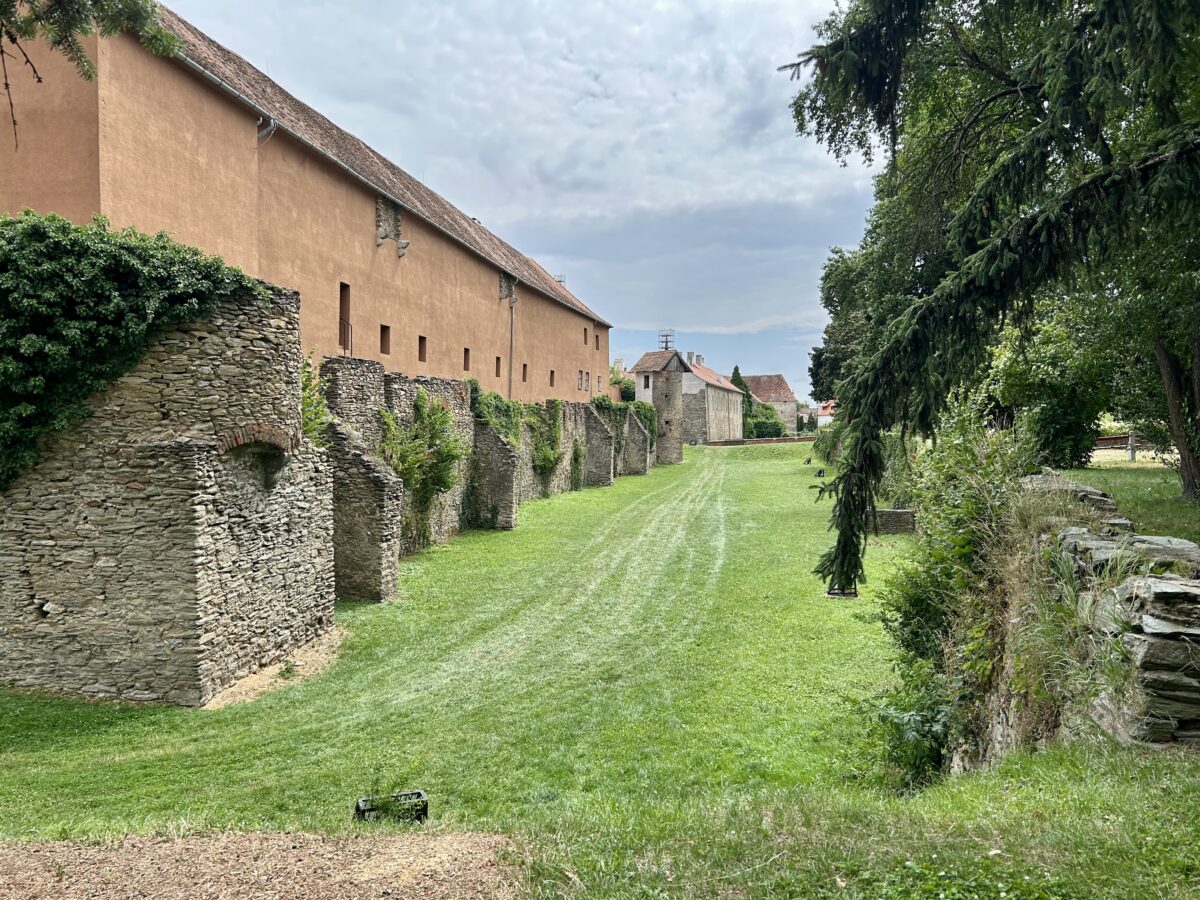
The castle itself is a charming mix of medieval grit and Renaissance polish. It has thick walls, a knight’s hall, and even a museum. But the real star of the show? The moat. Yes, that watery trench that usually gets overlooked like the parsley on your dinner plate.
Why moats mattered
Back in the day, moats weren’t just decorative puddles. They were serious business. The moat around Kőszeg Castle was fed by the Gyöngyös River. That meant it wasn’t just a sad little ditch. It was a proper water barrier that made invading the castle a soggy nightmare.
Moats slowed down attackers, ruined siege equipment, and made tunnelling under walls a wet and miserable affair. If you were a soldier trying to storm the place, you’d have to wade through muck, dodge arrows, and probably lose a boot or two. Not exactly a glamorous job.
The siege that made history
In 1532, the Ottoman Empire was on a roll. Sultan Suleiman I had his eyes on Vienna and decided to swing by Kőszeg for a quick conquest. He brought over 100,000 troops. The castle had about 800 defenders. You can do the maths. It looked like a one-sided affair.
But Captain Miklós Jurisics, the man in charge, wasn’t having it. He and his ragtag crew held out for nearly a month. The moat played a key role in frustrating the Ottoman forces. They tried to blow up the walls, dig tunnels, and launch assaults. The moat just sat there, smug and soggy, making everything harder.
Eventually, the Sultan gave up. Sort of. He raised his flag on the castle to save face and marched off to Vienna. The Hungarians kept the fort. To this day, the bells in Kőszeg ring at 11 a.m. to mark the moment the Turks packed up and left. It’s like a medieval mic drop.
A ditch with attitude
So yes, the moat at Kőszeg Castle is more than a trench. It’s a symbol of clever defence and stubborn resistance. It helped a tiny garrison hold off one of the largest armies of the time. Not bad for a glorified puddle.