Plaza Constitución in San Sebastián
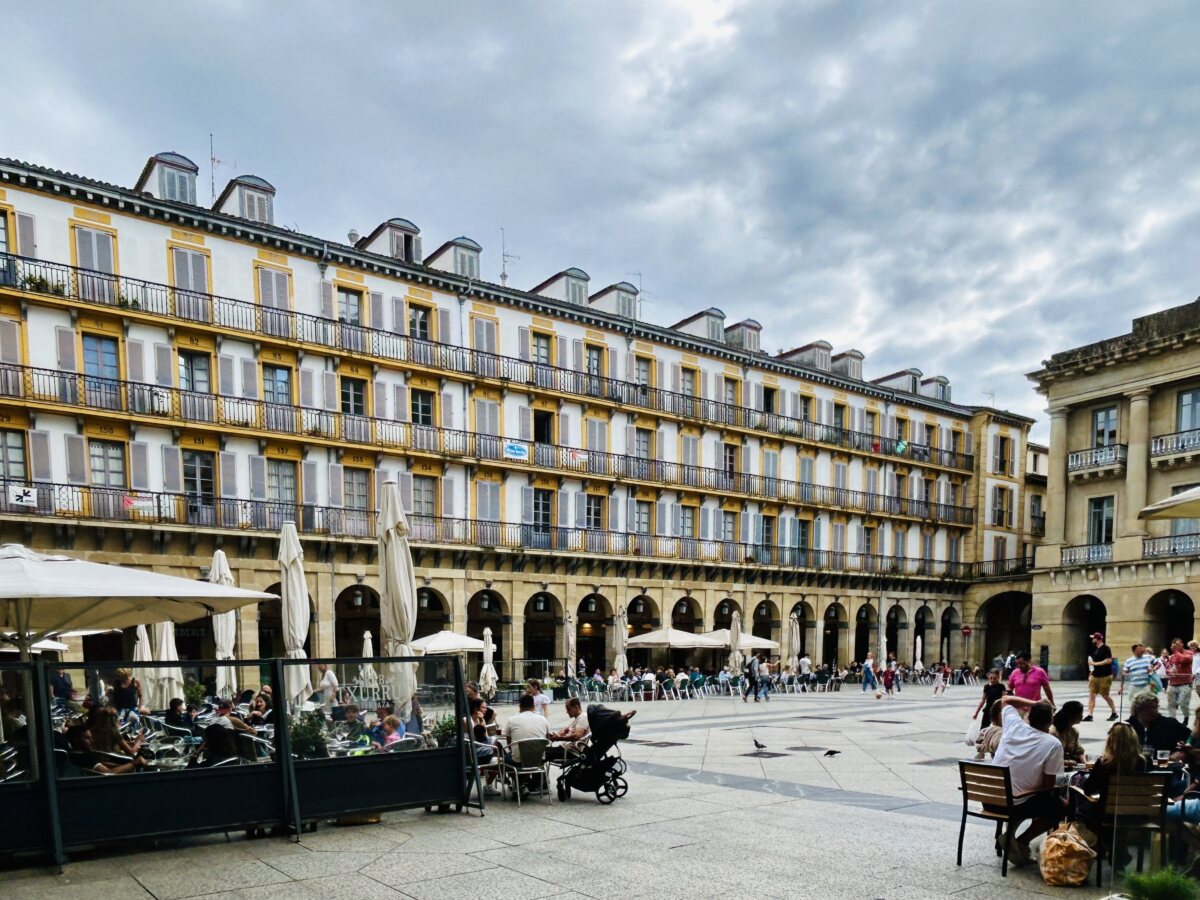
Plaza Constitución is one of the most iconic squares in San Sebastián. It sits in the heart of the old town and feels like the living room of the city. The square is large, bright and framed by buildings that look as if they were designed to impress visitors long before tourism became fashionable. It is a place where people gather, celebrate and occasionally wonder how a single square can hold so much history.
The majestic buildings around the square
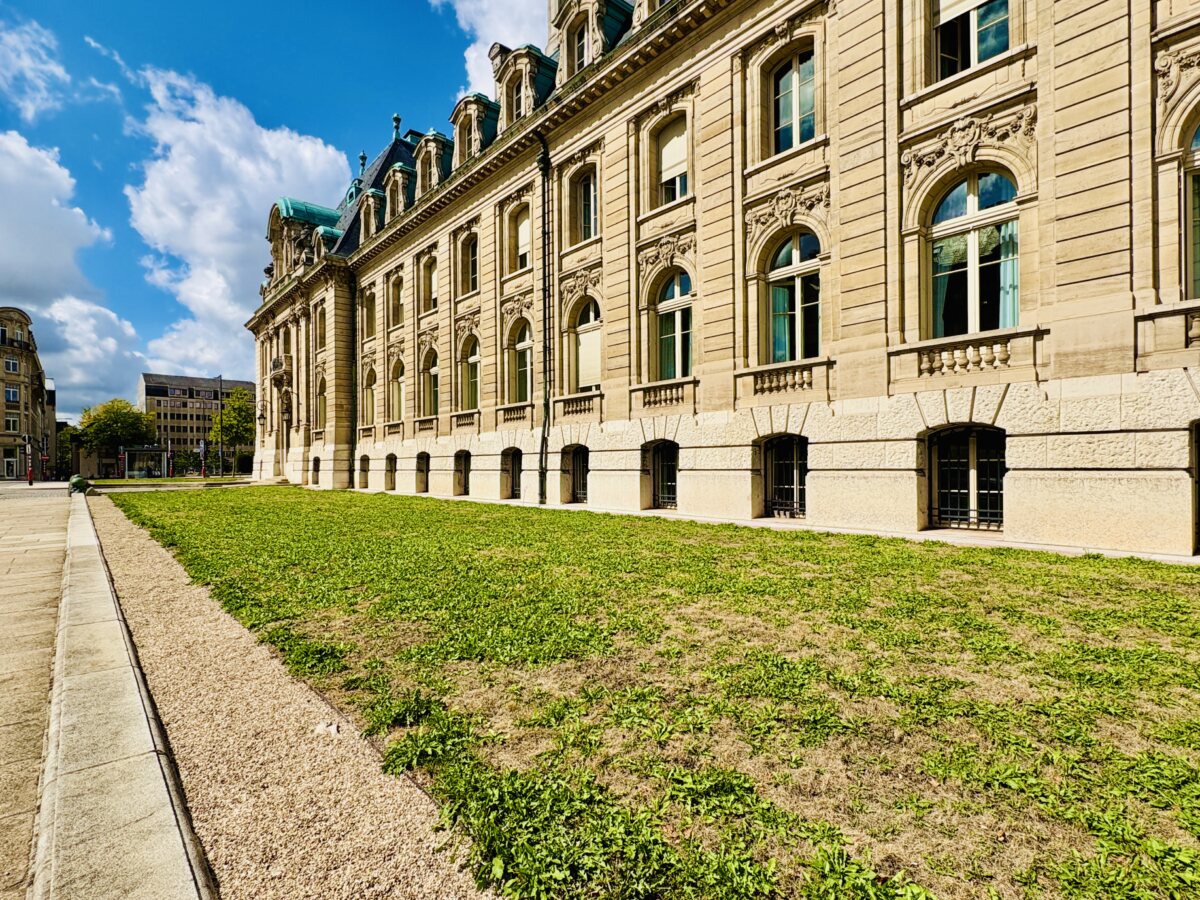
The buildings around Plaza Constitución are a perfect example of nineteenth century urban elegance. Their façades are symmetrical and refined. The balconies are numbered because the square once served as a bullfighting arena and the balconies were rented as seats. Today the numbers remain as a charming reminder of a time when people thought watching bulls run in circles was a pleasant afternoon activity.
The architecture is solid and harmonious. The colours are warm and the proportions are balanced. Even the town hall building, which once stood here before moving to its current location, left behind an atmosphere of civic pride. The square feels grand without being intimidating which is a rare talent for a public space.
A short history with many chapters
Plaza Constitución was built in the early nineteenth century after the devastating fire of 1813. The city had been almost entirely destroyed during the Peninsular War. The reconstruction gave San Sebastián a chance to redesign its centre and the square became one of the first major projects. It opened in 1817 and quickly became the social heart of the city.
Throughout the nineteenth century it hosted markets, festivals and political events. It was also the site of official celebrations and public gatherings. The bullfights continued until the early twentieth century when the city decided that perhaps the square was better suited for concerts and celebrations than for angry animals.
Historic events that shaped the square
Plaza Constitución has witnessed many important moments. It was a central stage for political life during the turbulent years of the Carlist Wars. It hosted celebrations for royal visits and national holidays. It also served as a meeting point during the Spanish Civil War when the city experienced occupation and political tension.
The square has always been a place where the city expresses itself. Whether through festivals, protests or simple daily life, it has remained a symbol of civic identity.
The square during the ETA years
During the decades of ETA terrorism, Plaza Constitución was not spared from the political atmosphere that affected the Basque Country. While the square itself was not the site of major attacks, it often served as a gathering place for demonstrations, public statements and moments of collective mourning.
One of the most notable events linked to the square was the wave of public protests in the late 1990s and early 2000s after several high profile ETA attacks. Citizens gathered here to condemn violence and demand peace. The square became a symbolic space where the community expressed unity during a difficult period.
The city of San Sebastián experienced several ETA related incidents over the years, including attacks on political figures, police officers and public buildings. Plaza Constitución often became the place where people came together afterwards to show solidarity and resilience. It was a reminder that even a beautiful square can become part of a larger national story.
A square full of life today
Today Plaza Constitución is peaceful and lively. Children play, cafés spill onto the pavement and festivals fill the space with music. The square hosts events such as the Tamborrada, the city’s most famous celebration, where drummers take over the streets with great enthusiasm and very little concern for anyone trying to sleep.