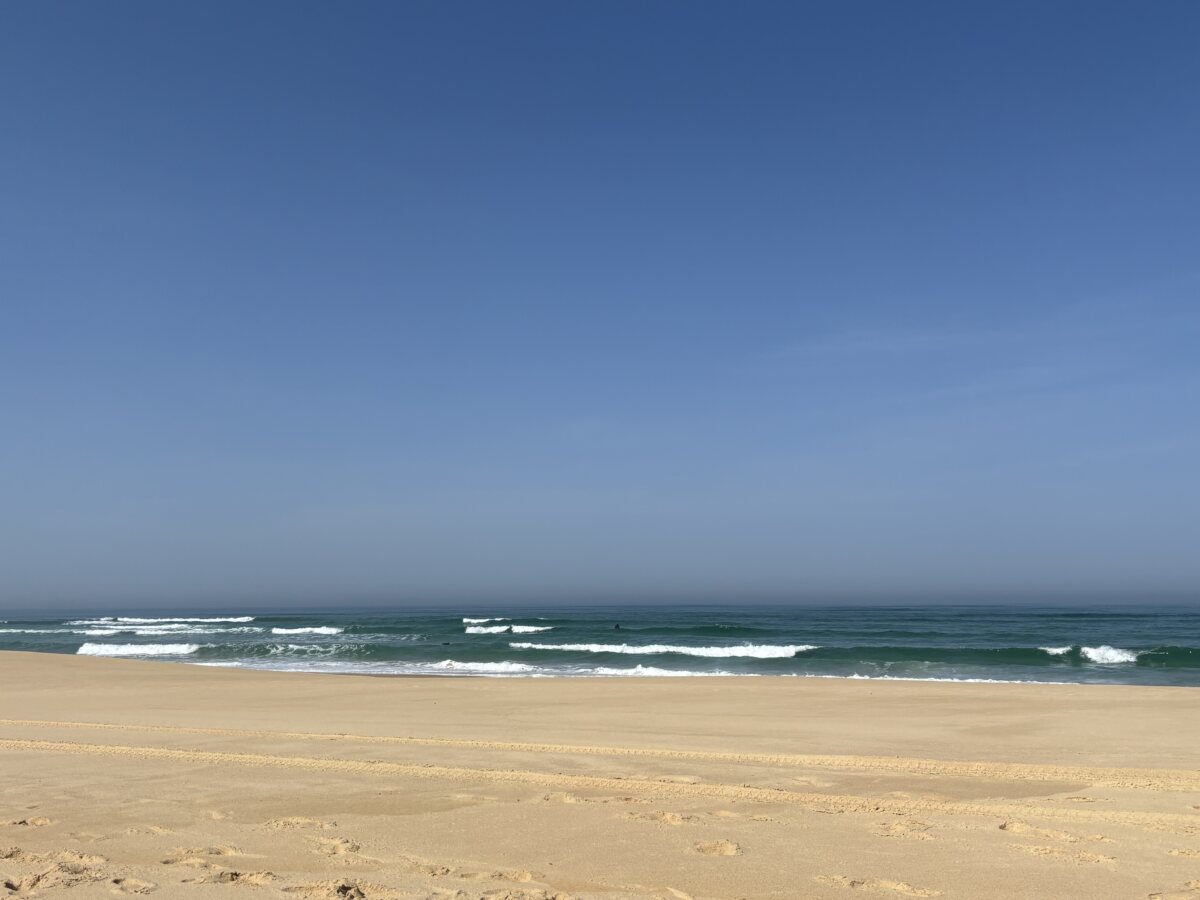
Some people think a lighthouse keeper lives a lonely life. Perhaps they are right. But it is also a life with purpose. The sea is never boring. It changes every hour. It demands respect. It rewards patience. Let’s read how they see all this with their own words:
Journal of the chief lighthouse keeper
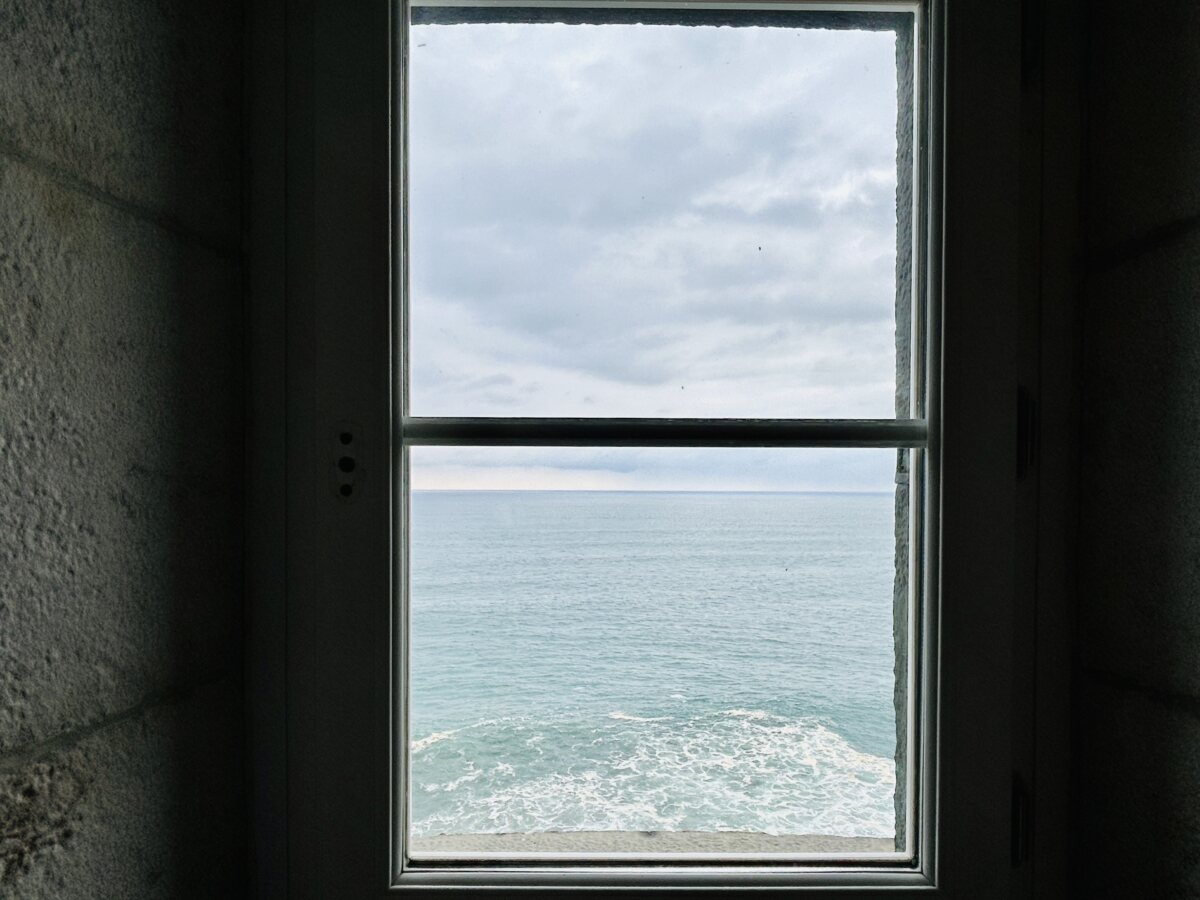
I write these lines from the small wooden desk beneath the lantern room. The sea is loud today. The wind pushes against the tower as if it wants to come inside for a visit. Through the narrow window I see the waves breaking on the rocks below. It is a familiar sight. I have watched this coast for most of my life.
The lighthouse stands on the cliff like a guardian. It has done so since the early nineteenth century. Many keepers came before me. Many will come after me. But for now the tower is mine to watch over.
Life here is simple. The days follow the rhythm of the sea. At dawn I climb the stairs to check the lantern. I clean the glass. I polish the metal. I make sure the light is ready for the night. The tower must never fail. Ships depend on it. Fishermen depend on it. Even the town depends on it.
There are long hours of silence. I read. I repair tools. I listen to the wind. Sometimes I talk to the tower itself. It is an old habit. When you live alone with a lantern you start giving names to things.
But there are also moments of tension. Storms arrive without warning. The waves rise like mountains. The whole tower shakes. I stay awake all night to make sure the light keeps turning. If the flame goes out, a ship could be lost.
Watching the coast through history
This part of France has seen its share of danger from the sea. The English attacked the coast several times in earlier centuries. Pirates once sailed these waters. During the wars of the nineteenth century, the navy patrolled the Bay of Biscay. The lighthouse was a silent witness to all of it.
In 1870, during the Franco Prussian War, the tower became even more important. Ships carrying supplies approached the coast at night. The light guided them safely. Without it, they would have risked running aground on the rocks.
Later, during the Second World War, the Germans occupied the region. They used the lighthouse as an observation point. Soldiers climbed the same stairs I climb every day. They watched the ocean for Allied ships. The tower did not choose sides. It simply stood where it always stood.
The keeper’s duty
My duty is to watch. I observe the tides, the clouds and the ships that pass. Fishing boats leave in the morning and return in the evening. Cargo ships move slowly across the horizon. Sometimes a naval vessel appears. Sometimes a lonely sailboat fights the wind.
I record everything in the logbook. The date. The time. The weather. The direction of the wind. The colour of the sea. It may seem unnecessary but these notes matter. They help sailors understand the coast. They help the next keeper understand the tower.
The tower and the town
Over the centuries, Biarritz has dramatically changed. New villas rise along the cliffs. Visitors come for the beaches and the fresh air. They walk along the Avenue de l’Impératrice and admire the view. But still look at the lighthouse and think it is a pretty landmark.