Ducks on the artificial lake
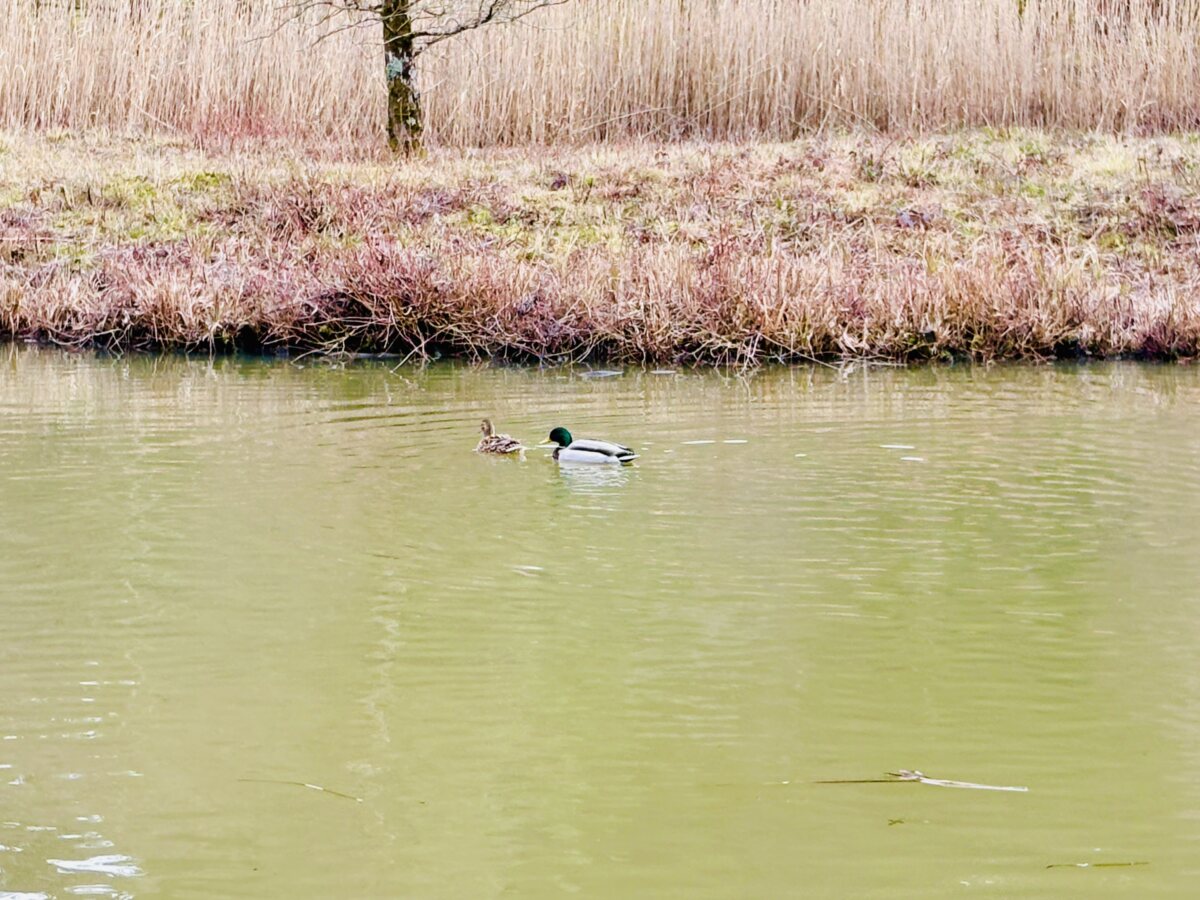
The artificial lake at Center Parcs Les Trois Forêts is a peaceful place. At least until the ducks arrive for their weekend break. They glide across the water with the confidence of animals who know they are the real stars of the parc. They spend their days swimming, eating whatever visitors drop and judging everyone from a safe distance.
They behave exactly as ducks do everywhere. They travel in small groups. They gossip loudly. They pretend to be shy but will happily approach you if you look like someone who might have a sandwich. They also enjoy sunbathing which they do with impressive dedication.
Why the males look more decorative
If you notice that some ducks look like they are dressed for a gala while others look like they rolled out of bed, there is a simple explanation. In many duck species the males are the colourful ones. They have bright feathers, shiny heads and patterns that look like nature got a bit carried away.
The females are usually brown and more discreet. This is not because nature is unfair. It is because they need camouflage when they nest. Blending into the environment keeps them and their eggs safe. Meanwhile the males show off to attract attention. It is a classic case of style versus practicality.
Their weekend routine
The ducks at Les Trois Forêts have a predictable routine. They swim in the morning. They walk around the lake in the afternoon. They take long naps whenever they feel like it. They also enjoy exploring the paths around the parc. You might see them crossing the road with the confidence of pedestrians who know cars will stop for them.
They are not aggressive. They simply expect respect. After all they were here before you arrived and they will still be here long after you check out.
Their wintering strategy
Ducks are clever travellers. Many species migrate when winter arrives. They fly to warmer regions where food is easier to find. Some travel long distances. Others stay closer if the climate is mild enough. In the forests of Moselle the winters can be cold but the artificial lake and the surrounding wetlands offer enough shelter for some ducks to stay.
Those that remain adapt their behaviour. They spend more time resting. They look for protected spots. They rely on natural food sources and sometimes on the occasional crumbs from generous visitors. They manage well because ducks are resilient and surprisingly strategic.
A charming part of the parc
The ducks add life to the artificial lake. They make the place feel more natural and more playful. Watching them is relaxing. They move with grace even when they are being slightly chaotic. They remind you that nature does not need to be dramatic to be interesting.