A palace with personality
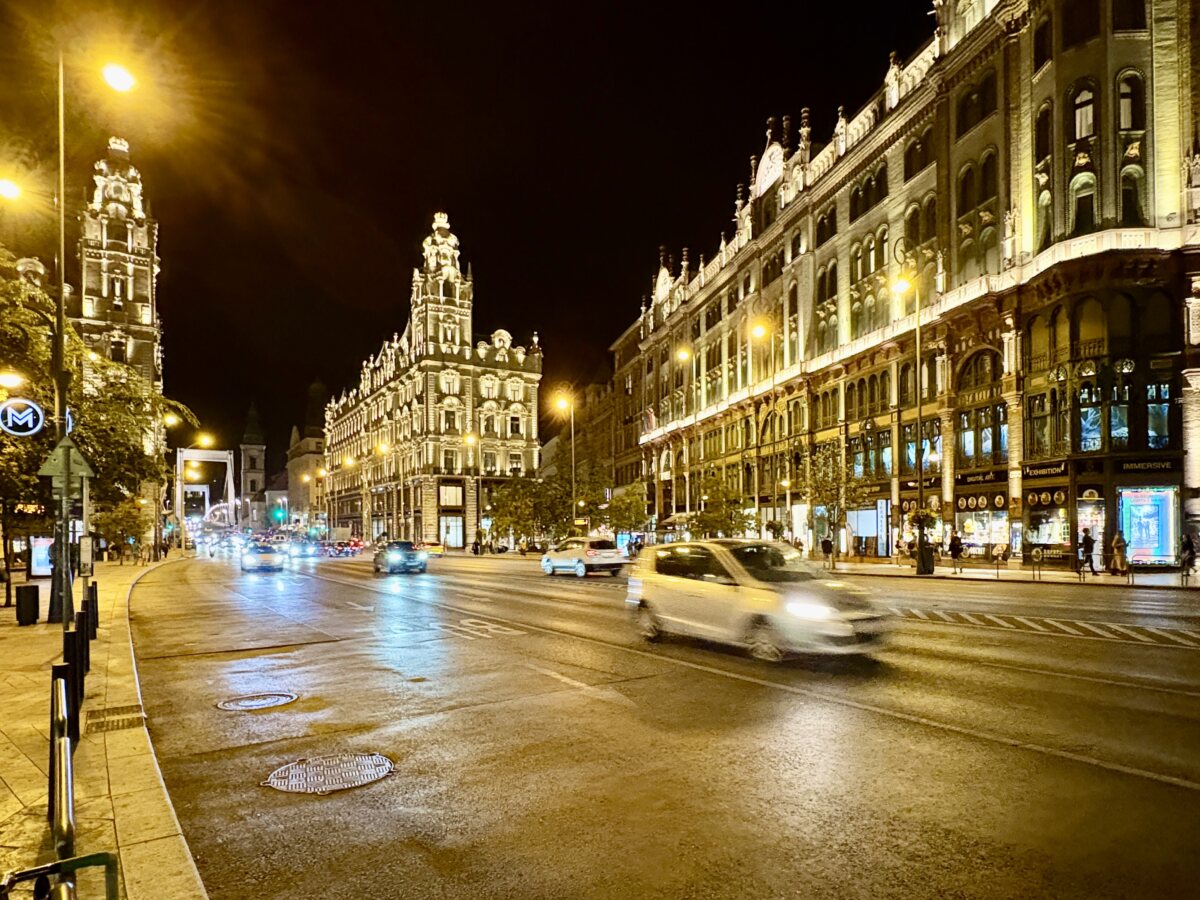
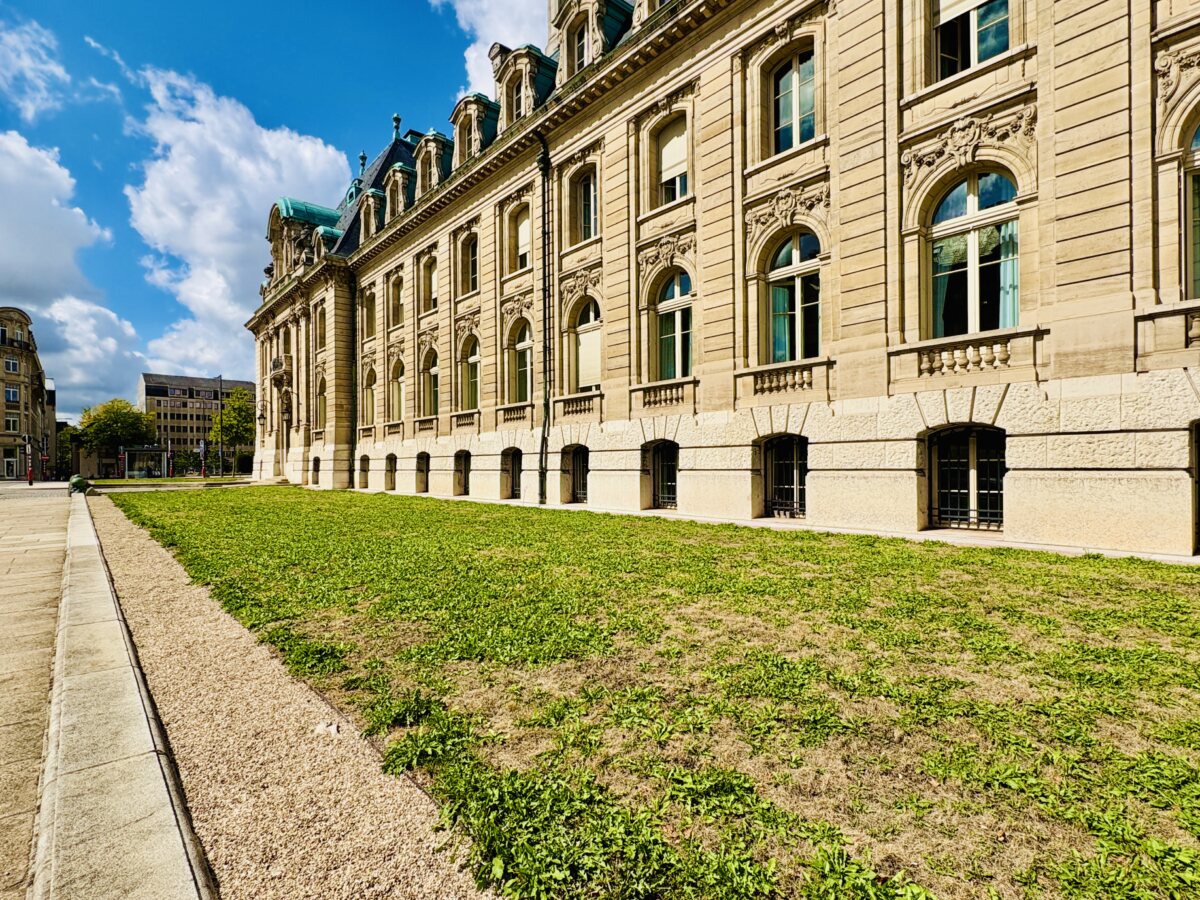
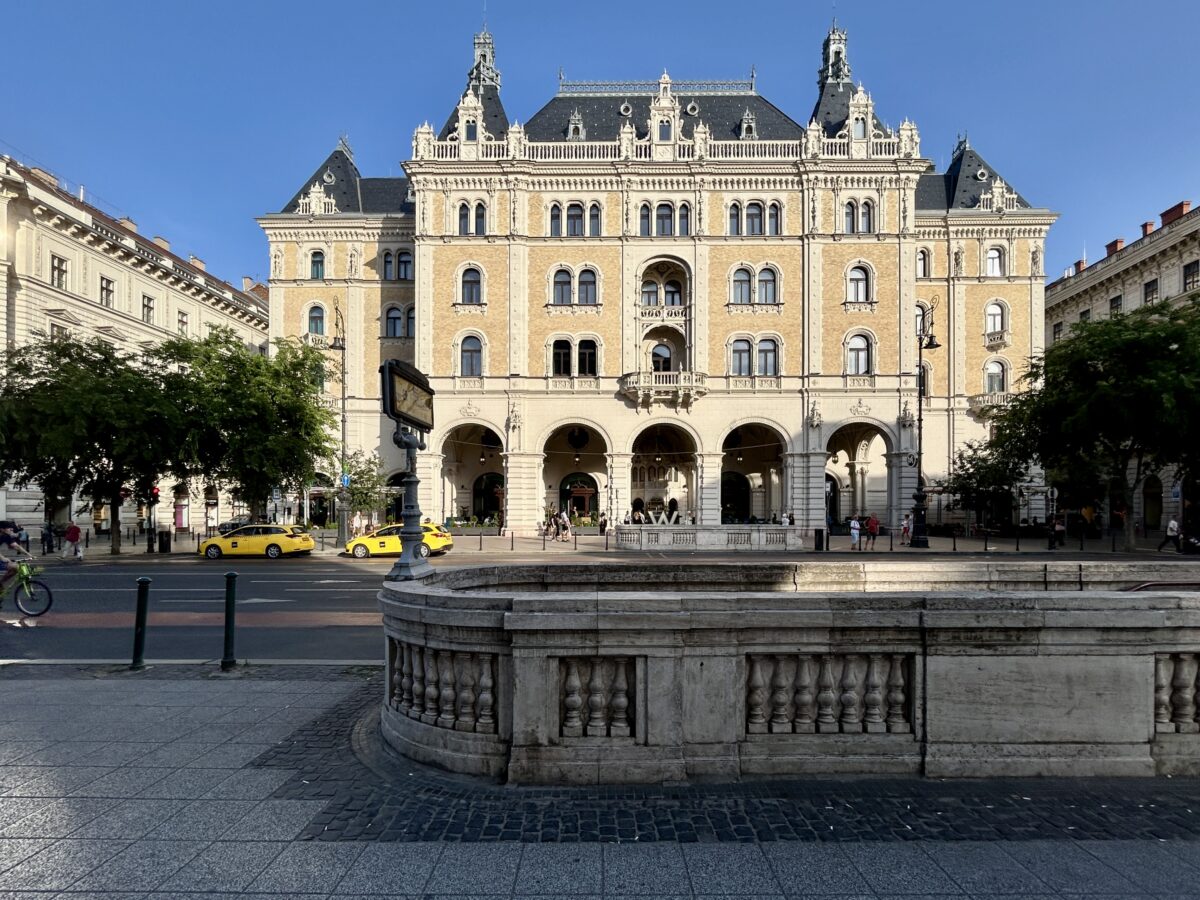
The Dreschler Palace is one of those buildings that looks like it has a story. And it does. Built in the late 19th century, it sits proudly next to the Hungarian State Opera House and has been watching the drama unfold for over a century.
Designed by Ödön Lechner and Gyula Pártos, the building was completed in 1886. It was originally meant to be a residential and office block. But like many things in Budapest, it quickly became more than that.
The name comes from the Dreschler Café, which operated on the ground floor and was a popular meeting spot for artists, intellectuals and people who liked their coffee with a side of gossip.
From ballet to abandonment
In the 20th century, the building took on a new role. It became home to the Ballet Institute, which added a touch of grace to its already elegant façade.
But then came the decades of neglect. The building slowly fell into disrepair. The café closed, the ballet dancers moved out, and the palace became a sad shadow of its former self.
For years, it stood there looking like it was waiting for someone to remember it. Tourists admired it from the outside, locals sighed as they passed by, and pigeons moved in rent-free.
The long-awaited makeover
Renovation plans were whispered about for years. Finally, someone did more than whisper. The building was bought, cleaned up and transformed into a luxury hotel.
The W Budapest Hotel opened in 2023, bringing back the sparkle with a modern twist. The renovation kept the original architectural details but added all the things rich people like. Think velvet chairs, mood lighting and cocktails that cost more than your weekly groceries.
The transformation was not just cosmetic. The building was structurally reinforced, the interiors redesigned and the courtyard turned into a stylish gathering spot.
A new chapter
Today, the Dreschler Palace is back in business. It no longer hosts ballet students or dusty offices. Instead, it welcomes guests with deep pockets and a taste for elegance.
It is still next to the Opera metro station, still part of the city’s architectural heart, but now with a concierge and a spa.
Some locals miss the old charm. Others are just glad the building is no longer falling apart. And the pigeons? They’ve had to relocate.