The basic structure of the model
Center Parcs does not keep all its cottages on its own balance sheet. Instead it sells most of them to private investors. These investors buy fully furnished holiday houses inside the parc. Center Parcs then rents them out and manages everything.
In return the investor receives a fixed yearly rent. In many offers this is around six per cent of the purchase price per year. Sometimes a bit less, sometimes a bit more, depending on the cottage type and the length of the contract. The rent is usually guaranteed for a long period, often between ten and fifteen years.
Typical prices and returns
To make it more concrete, imagine a small cottage priced at 250.000 euro. With a six per cent guaranteed rent, the investor receives 15.000 euro per year. A larger or more luxurious cottage might cost 350.000 to 450.000 euro. The yearly rent then moves between 21.000 and 27.000 euro.
The rent is usually paid quarterly. Depending on the precise contract, it is not linked to actual occupancy. Even if the cottage is empty for weeks, the investor still receives the agreed amount. This is one of the main selling points. It feels safe and predictable.
However, the six per cent is almost always a gross figure. Taxes on rental income still apply. Financing costs also matter if the investor took a mortgage. After tax and interest, the net return can be closer to three to four per cent in real life.
Who pays what in practice
Center Parcs normally covers the operational costs of the parc. This includes staff, marketing, cleaning, reception, maintenance of common areas and the big attractions such as the swimming dome. The investor does not receive separate bills for these.
There can still be some costs on the owner side. For example, contributions to a reserve fund for long term renovation. Or costs linked to notary fees and purchase taxes at the beginning. These can easily add another eight to ten per cent on top of the purchase price in France.
If the investor uses a mortgage, the bank will ask for a down payment. Often at least twenty to thirty per cent of the price. So for a 300 000 euro cottage, the investor might need 60 000 to 90 000 euro in equity. The rest is financed and repaid over fifteen to twenty years.
Comparison with classical property rental
Now compare this with a classical rental flat in a medium sized French city. Suppose you buy a flat for 250 000 euro. You rent it out for 900 to 1 000 euro per month. That gives 10 800 to 12 000 euro per year. The gross yield is around 4.5 per cent.
However, in classical rental you pay for maintenance, building charges, agency fees, possible vacancy and sometimes unpaid rent. After all that, the net yield can fall to three per cent or less. On the other hand, you keep full control. You can raise the rent within legal limits. You can renovate to increase value. You can sell whenever you want, subject to normal market conditions.
With a Center Parcs cottage, the yield is higher on paper. Six per cent looks better than four. But it is fixed. You do not benefit if tourism explodes and prices rise. You also cannot decide to rent it yourself on a short term platform. The contract defines everything. It is more like buying a long term bond with a cottage attached than buying a flexible property.
Liquidity is also different. A city flat can usually be sold on the open market to any buyer. A cottage in a holiday parc is a more specialised product. The resale market is smaller. Buyers are mostly other investors. Prices are influenced by the remaining length of the rental contract and the reputation of the parc operator. And all this without talking about the big question what happens once your contract with Center Parc comes to end.
The revenue model for Center Parcs
For Center Parcs, the model is efficient. The company recovers a large part of the construction cost by selling the cottages. This reduces debt and frees capital for new projects. At the same time, it keeps operational control of the parc and earns money from guests.
The main revenue streams are accommodation, restaurants, shops, activities and services. A family that pays 1 500 euro for a week in a cottage will often spend several hundred euros more on food, bike rental, spa visits and entertainment. The parc becomes a closed ecosystem where most spending stays inside.
Because the rent to owners is fixed, Center Parcs keeps the upside when occupancy is high and prices are strong. This is the reward for taking operational risk and for running a complex site with hundreds of employees.
Local employment and economic impact
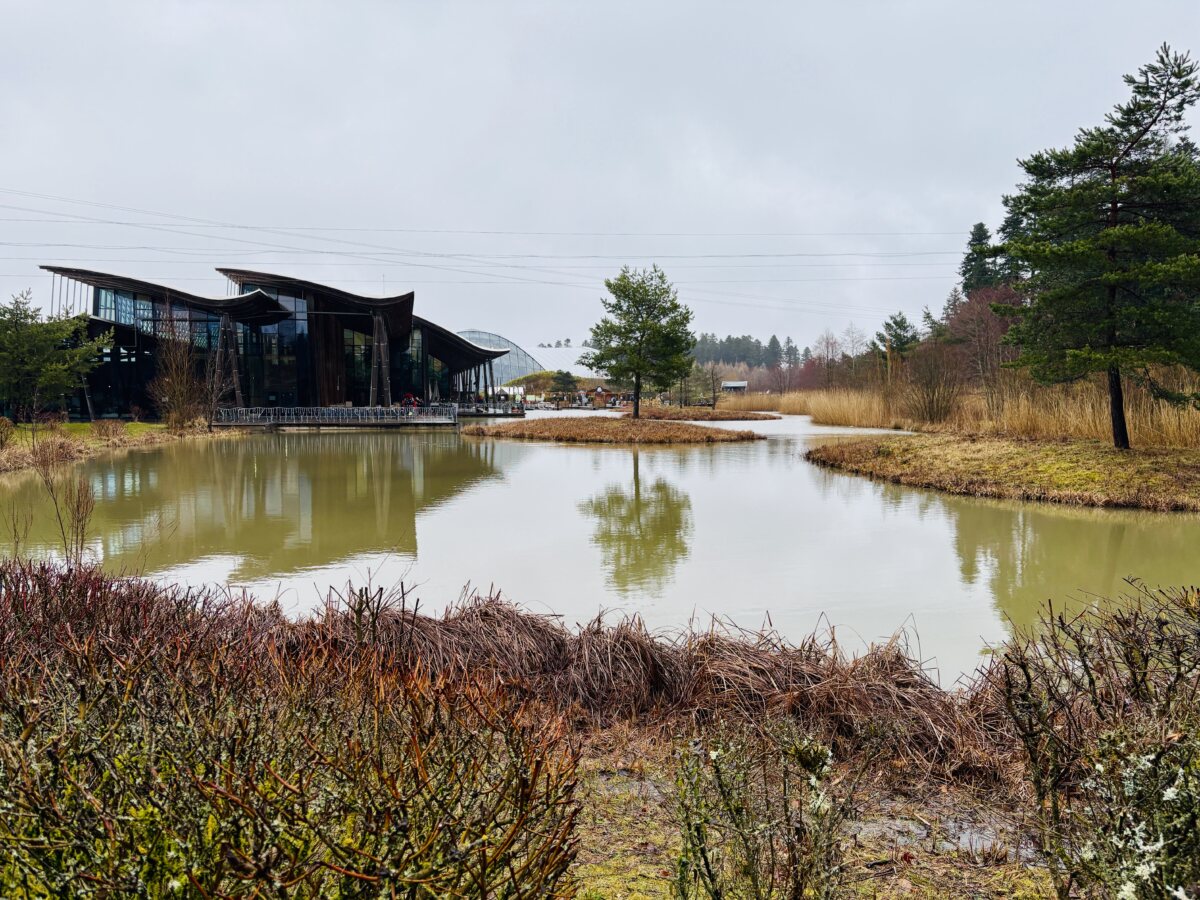
Les Trois Forêts near Hattigny is a good example. The parc employs around six hundred people. This includes permanent staff and seasonal workers. Jobs range from reception and housekeeping to technical maintenance, gardening, catering and activity management.
In a rural area, this makes Center Parcs the main private employer. It stabilises local employment and supports secondary jobs in transport, suppliers and local services. The parc also pays local taxes and contributes to infrastructure.
From a regional economic point of view, the model brings long term activity. Guests arrive all year, not only in summer. This smooths the seasonal peaks that many tourist areas suffer from.
The risk profile for investors
For investors, the main advantage is stability. The rent is predictable. The management is handled by a large operator. The asset is tangible. The risk of vacancy is transferred to the company.
The main risks are different. There is operator risk. If the company faces financial problems, the guarantee becomes less solid. There is contract risk. Terms can change at renewal. There is resale risk. Selling a cottage in a parc is not as easy as selling a flat in a city centre.
There is also inflation risk. If inflation rises and the rent is fixed, the real value of the six per cent return falls over time. In classical property, you can sometimes adjust rents and benefit from rising market prices more directly.
A clear but specialised investment
The business model of Center Parcs is a mix of real estate and hospitality. For the company, it spreads costs and secures long term control. For investors, it offers a relatively high and stable yield with low daily effort.
Compared to classical property rental, it is less flexible but more predictable. It suits people who prefer a defined contract and are comfortable with a specialised asset. It is not a magic solution but it is a clear one.
And while families enjoy the forest, the slides and the ducks, somewhere in the background spreadsheets quietly keep the whole forest economy running.