Where the land ends and the waves begin
The Bay of Biscay is not just a fancy name on a map. It is a massive chunk of the Atlantic Ocean that curves between the western coast of France and the northern coast of Spain. It stretches from the tip of Brittany all the way down to the Spanish region of Galicia. That is about 550 kilometres of coastline, give or take a few scenic cliffs.
The bay is deep. Really deep. In some places, it plunges to over 4,000 metres. It is also wide, covering around 223,000 square kilometres. So yes, it is big. And it is moody. The weather here can go from calm to chaos in a matter of hours. Sailors have been grumbling about it for centuries.
Biarritz: the fancy town with salty hair
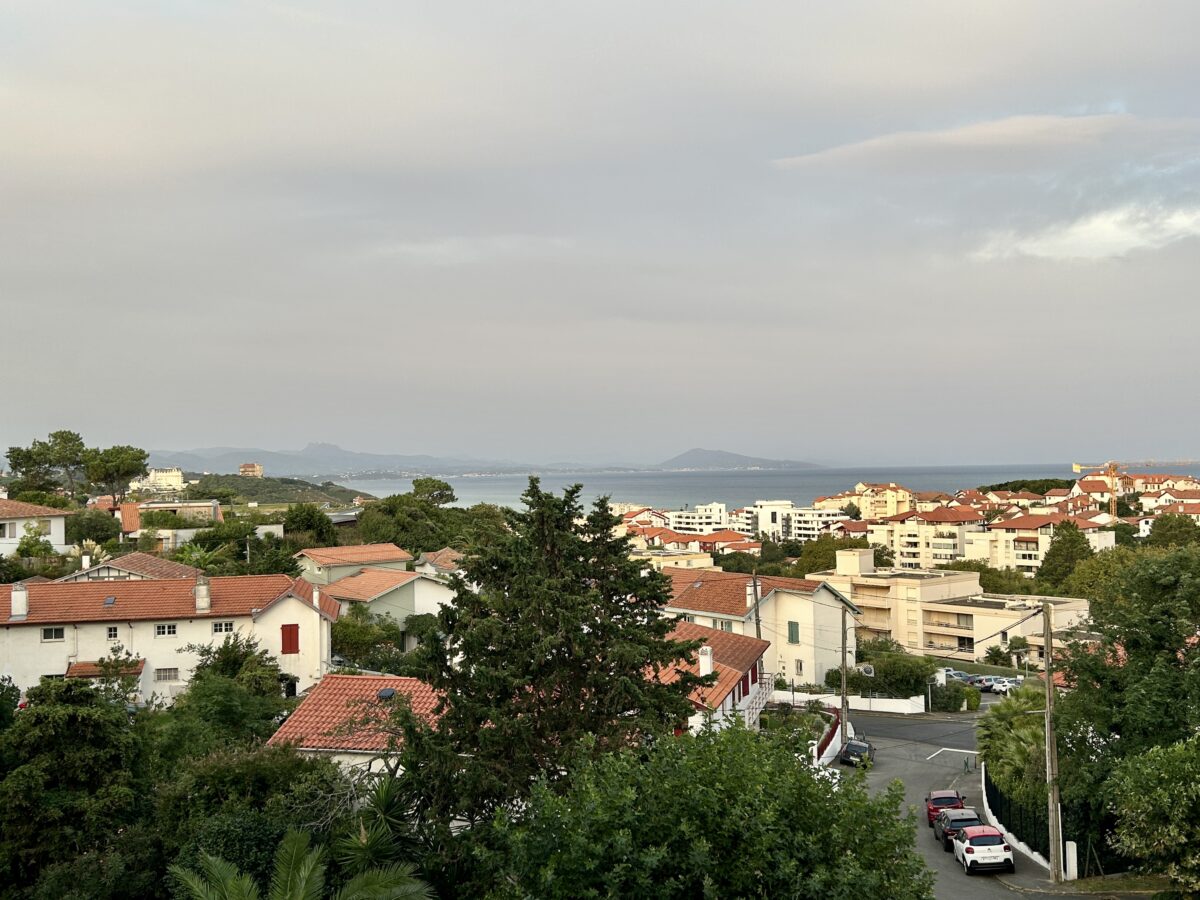
Now let us talk about Biarritz. This seaside town in the French Basque Country is perched right at the southern end of the Bay of Biscay. It used to be a quiet fishing village. Then the 19th-century French aristocracy discovered it, and suddenly it was all parasols and promenades.
Today, Biarritz is a curious mix of elegance and surfboards. You can sip champagne in a five-star hotel and then walk five minutes to catch a wave. The town is built on cliffs and coves, which makes for some pretty dramatic views. Especially when the Atlantic decides to show off.
The waves that keep on giving
The Bay of Biscay is famous for its waves. And not the gentle, lapping kind. We are talking about proper oceanic swells that roll in from the northwest. These waves travel thousands of kilometres across the Atlantic before crashing into the French coast. By the time they reach Biarritz, they are big, bold and ready to party.
The shape of the coastline helps too. Biarritz has a mix of beaches, headlands and rocky outcrops that create all sorts of wave conditions. Some spots are perfect for beginners. Others are best left to people who enjoy being thrown around like a sock in a washing machine.
Why surfers love it (and keep coming back)
Biarritz is often called the birthplace of European surfing. The first surfboard hit the water here in the 1950s, and it has not stopped since. The town now has surf schools, rental shops and more wetsuits than you can count. It is a proper surf town, with a side of croissants and sea spray.
The best time to surf depends on your skill level. Summer is great for beginners, with smaller waves and warmer water. Autumn and winter bring the big swells, which is when the pros come out to play. Just be ready for colder water and fewer beach towels.