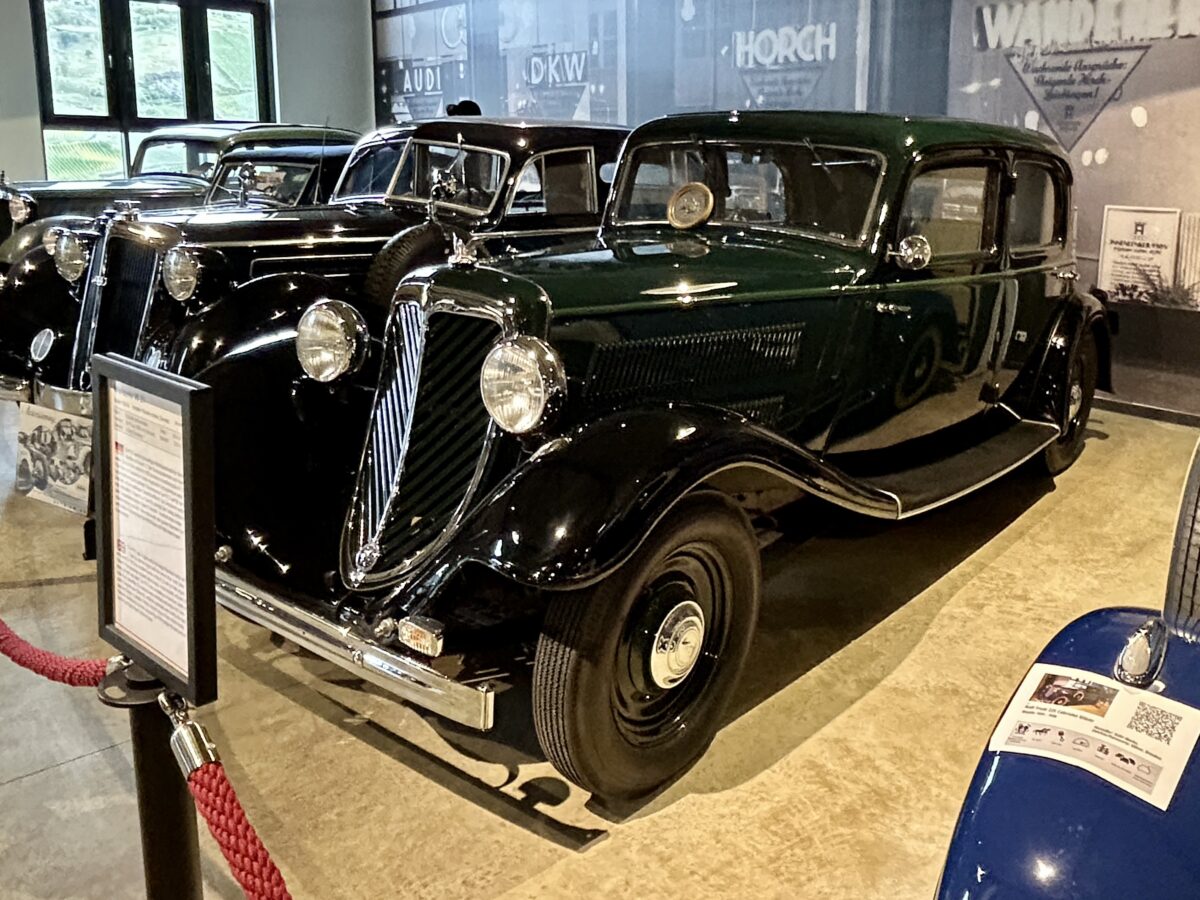
The Wanderer W 21, produced between 1933 and 1934, stands as a remarkable piece of automotive history. Manufactured by Wanderer-Werke in Chemnitz, this elegant mid-range vehicle was part of Auto Union’s efforts to develop a competitive and high-quality automobile for discerning drivers.
A Premium Mid-Range Masterpiece
At the heart of the W 21 was a 1.7-litre six-cylinder inline engine, producing 35 horsepower from 1690cc of displacement. Combined with a four-speed gearbox, the vehicle achieved a top speed of 95 km/h, a respectable performance for its era. Weighing in at 1250 kg, it provided a robust and stable driving experience.
The W 21 was positioned as the smaller sibling to the W 22, which featured a larger 2-litre engine. However, despite its reduced engine capacity, the W 21 offered a refined drive, emphasising comfort and innovation.
Engineering Innovations and Design
One of the significant upgrades in the W 21 was the transition from cable-operated brakes to a hydraulic oil-pressure braking system, greatly enhancing safety and reliability. This marked a leap forward in braking technology, ensuring smoother and more controlled deceleration.
Auto Union made the W 21 available in two primary body styles:
- A four-door saloon, assembled at the Auto Union factory in Siegmar near Chemnitz.
- A two-door convertible, crafted by Gläser, a renowned specialist in automotive bodywork based in Dresden.
Both variants were designed to reflect the growing demand for stylish yet practical vehicles among mid-range buyers, offering a balance of performance and elegance.
A Legacy of Excellence
Within the broad spectrum of models under the Auto Union umbrella, Wanderer emerged as one of the premium marques, earning a reputation for reliability, innovation, and craftsmanship. The W 21, in particular, attracted a loyal customer base, proving that mid-range cars could combine affordability with luxury.