A Pink Façade with a Past
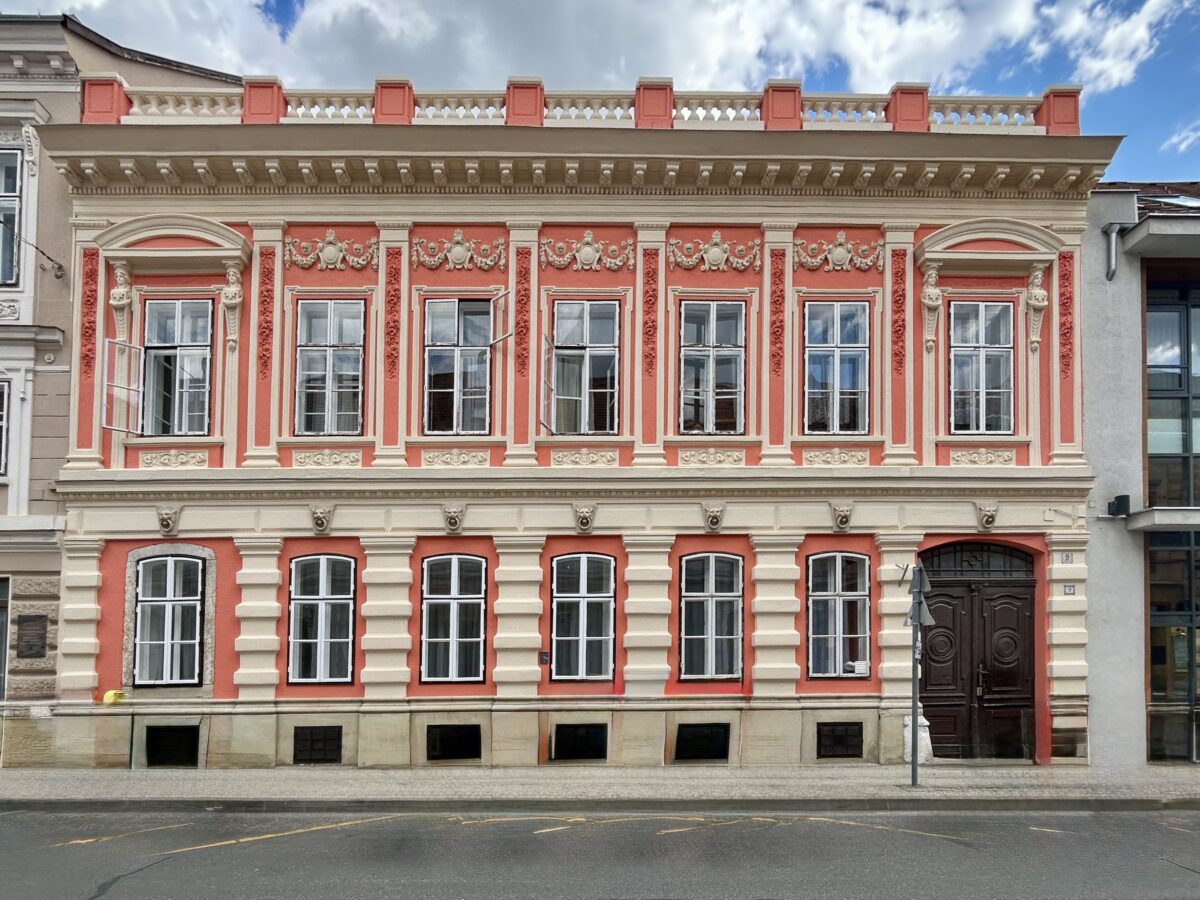
The building at the address Kossuth Lajos utca 9 in Szombathely, Hungary looks like the sort of place where someone might offer you a polite cup of tea and a slice of sponge cake. Its pink-orange façade is cheerful, its classical style is elegant, and it fits right in with the late 19th-century vibe of the street. But don’t be fooled. This building has secrets. And not the boring kind like unpaid gas bills or dodgy wallpaper choices.
Built sometime in the 1870s or 1880s, the house is a fine example of urban architecture from the era when people still thought stucco was a good idea.
The Mosaic That Might Be Roman
Inside the stairwell lies a mosaic floor that’s been causing raised eyebrows and whispered speculation for decades. Decorated with Eastern motifs, the mosaic is either a stunning piece of 19th-century design or a recycled Roman relic. Yes, Roman. As in togas and sandals and Julius flipping Caesar.
Local legend claims the mosaic was salvaged from the ruins of ancient Savaria, the Roman predecessor of Szombathely. Apparently, someone thought it would be a good idea to dig up history and slap it into a residential stairwell. Because why not walk on antiquity while fetching your post?
No one’s been able to prove the mosaic’s origins definitively. But the building is conveniently located near the southern gate of ancient Savaria, which was uncovered during archaeological digs. So the theory isn’t completely bonkers. Just mostly.
A Street with Layers
The street is one of Szombathely’s oldest streets. Over the centuries, it has seen everything from Roman soldiers to World War II tragedies. The street was once part of the city’s Jewish ghetto boundary, adding a sombre layer to its history.
The building at No. 9 has stood quietly through all of it. It’s seen empires rise and fall, names change, and probably more dodgy renovations than it cares to admit. It’s not just a house. It’s a witness.
More Than Just a Pretty Stairwell
While the mosaic gets most of the attention, the building itself is worth a look. Its design is typical of the neorennaissance style that was all the rage when moustaches were serious business and people still used calling cards. The façade is symmetrical, the windows are dignified, and the whole thing screams “respectable middle-class aspirations”.