Nestled in the peaceful countryside of western Hungary, the Esterházy Palace in Fertőd stands as a breathtaking symbol of aristocratic power and wealth. While Fertőd itself remains a modest town with a quiet rural charm, the palace’s magnificent entrance reflects the sheer opulence of one of the most influential noble families in Hungarian history.
A Contrast Between Grandeur and Simplicity
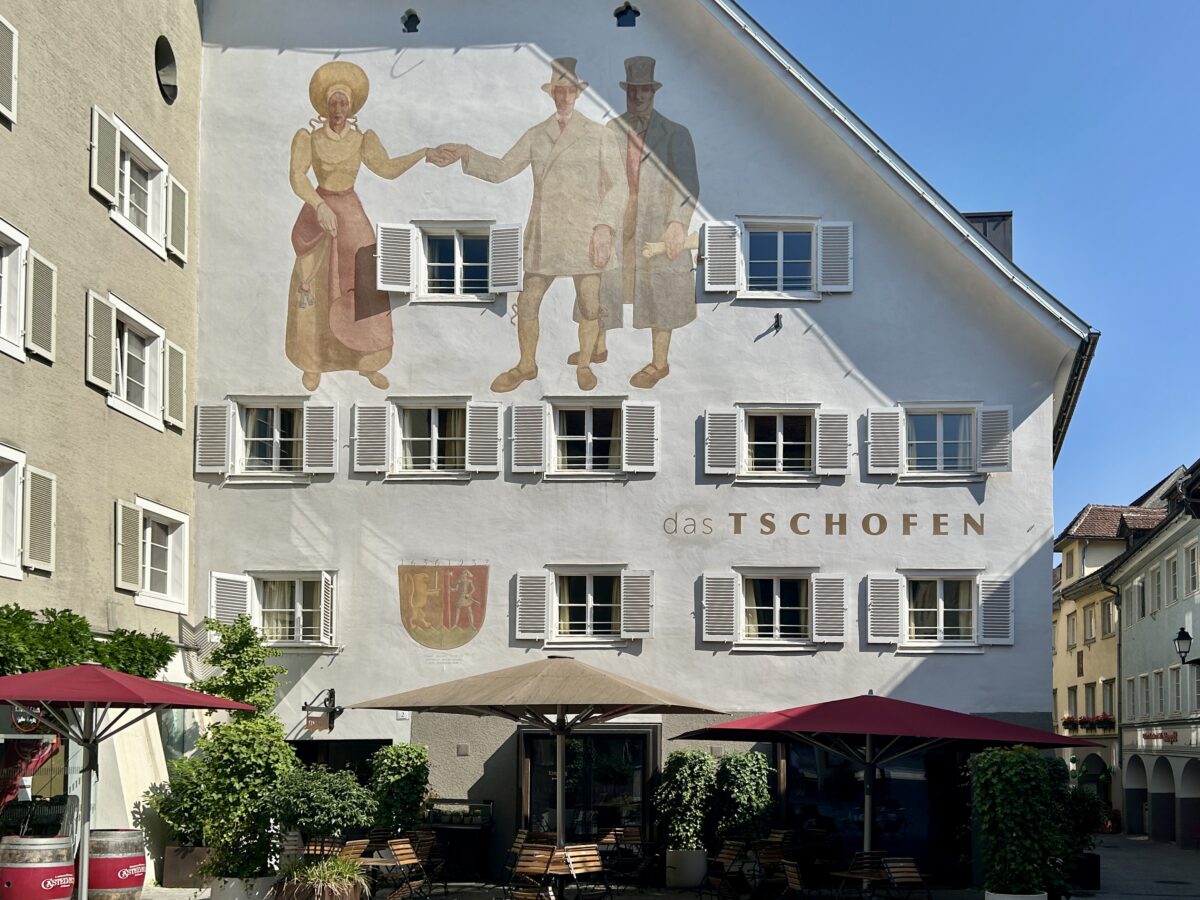
Fertőd is a small town with a serene and picturesque landscape. Its surroundings consist of vast fields, charming villages, and a countryside that seems untouched by time. Yet, at its heart stands Esterházy Palace, often referred to as the Hungarian Versailles. With its ornate gate, majestic façade, and meticulously landscaped grounds, the palace stands in stark contrast to the simplicity of the town, creating a fascinating blend of rural life and aristocratic excess.
The Gateway to Prestige
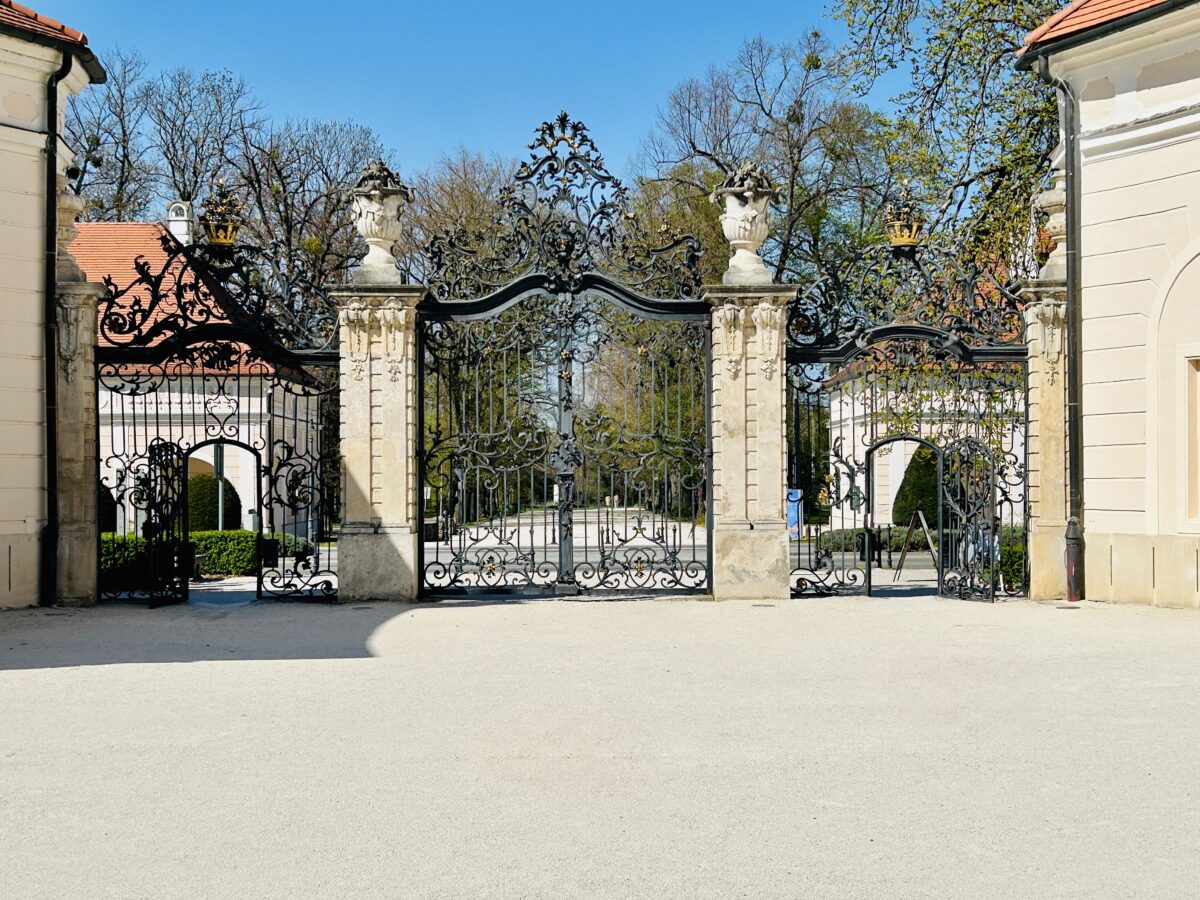
The main entrance of Esterházy Palace is more than an architectural feature—it is a symbol of power and status. Framed by towering columns, adorned with intricate details, and crowned with the Esterházy coat of arms, the gate was designed to impress all who approached. Passing through this entrance was once a privilege reserved for Hungary’s elite, from renowned composers like Joseph Haydn to royalty and distinguished guests.
The Immense Wealth of the Esterházy Family
The Esterházy family was among the wealthiest and most powerful noble houses in Hungary, controlling vast estates and holding immense political influence. The grandeur of their palace reflected their standing—lavish interiors, exquisite art collections, and carefully curated gardens spoke of their unrivalled wealth. By historical standards, their riches were staggering, comparable to the aristocracy of France and Austria.
Comparing Their Wealth to Today
In modern times, the scale of the Esterházy family’s fortune would likely rival that of billionaires in global finance and industry. While aristocratic wealth was deeply tied to land ownership and influence, today’s elite thrive in technological industries, investments, and commerce. Though the ways fortunes are made have changed, the presence of Esterházy Palace serves as a reminder that wealth once meant more than financial power—it symbolised cultural patronage, political sway, and an enduring legacy.