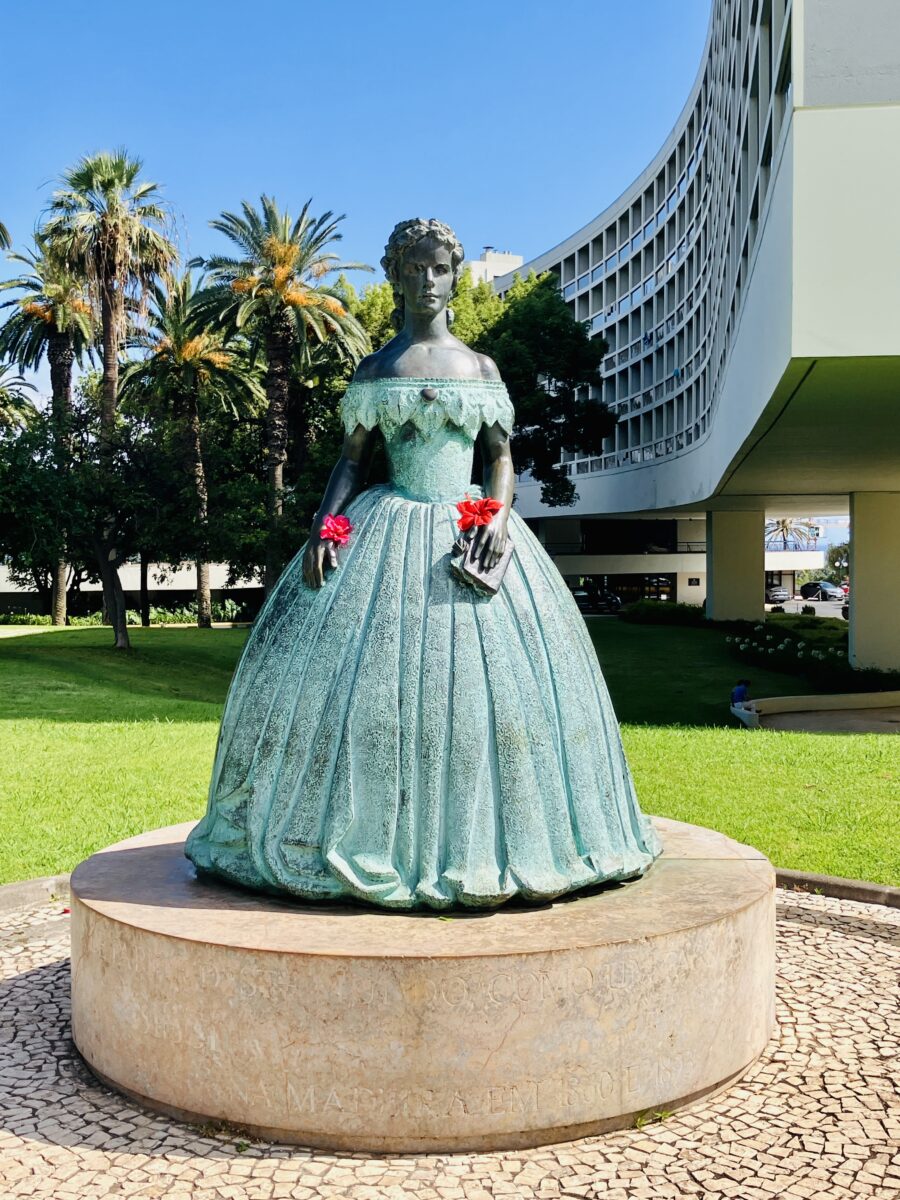
A quiet tribute in the sun
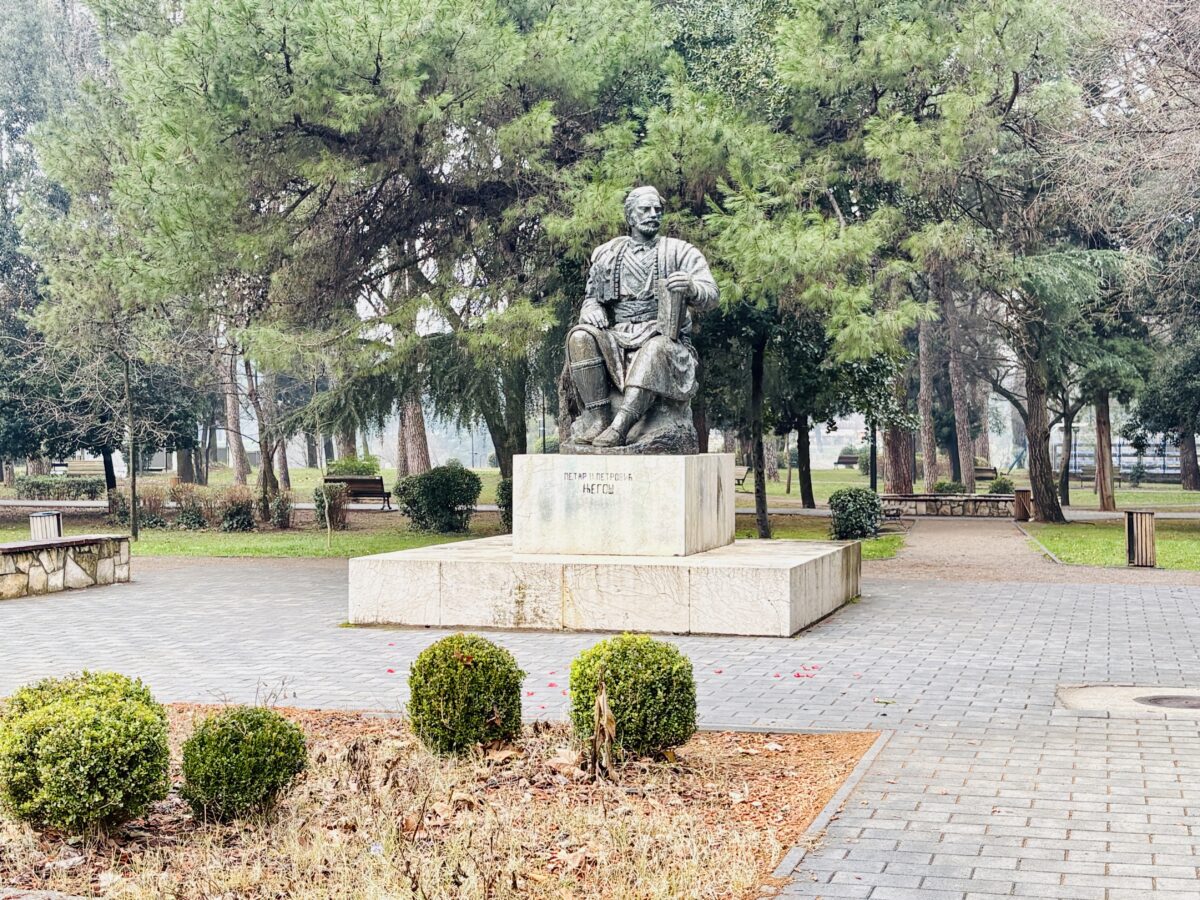
On Avenida do Infante in Funchal, Madeira, there stands a bronze statue of a woman who once ruled hearts across Europe. She is not holding a sceptre or riding a horse. She is simply standing, looking thoughtful. That woman is Elisabeth of Austria, better known as Sisi. And no, she is not just another royal with a complicated name and a tragic backstory. Well, actually, she is. But she is also much more.
This statue is not just a decorative bench ornament. It is a tribute to a woman who once found peace on this island, far from the stiff collars and stiffer conversations of the Habsburg court.
A royal who hated being royal
Born in 1837 in Bavaria, Sisi married Emperor Franz Joseph I of Austria at the age of 16. It was not exactly a fairy tale. She was chosen over her older sister, which made family dinners awkward. Court life in Vienna was rigid, and Sisi, who preferred poetry and horse riding to protocol and pearls, never quite fit in.
She was known for her beauty, her impossibly tiny waist, and her obsession with exercise. Think of her as the 19th-century version of a wellness influencer, minus the Instagram. She also had a fondness for travel, which was her way of escaping the pressures of royal life. And that is how she ended up in Madeira.
Madeira: the empress’s escape
In the winter of 1860, Sisi came to Madeira to recover from a lung illness. The island’s mild climate and lush scenery were a balm to her restless spirit. She stayed for several months, walking in the gardens, breathing in the sea air, and avoiding the Viennese court like it was a bad cold.
Locals were charmed by her presence. She was elegant but approachable, and her stay left such an impression that Madeira decided to honour her with a statue.
A tragic end in Geneva
On 10 September 1898, Sisi was in Geneva, travelling incognito as the Countess of Hohenembs. She was walking along the promenade with her lady-in-waiting when an Italian anarchist named Luigi Lucheni approached and stabbed her with a sharpened file. Yes, a file. Not exactly the weapon of legends, but tragically effective.
At first, Sisi did not realise she had been stabbed. She even boarded a steamer, thinking she had only been pushed. Minutes later, she collapsed. The wound had pierced her heart. She died shortly after, at the age of 60.
The world mourned. Newspapers printed black-bordered editions. People wept in Austria and Hungary. Even those who had never met her felt the loss. She had become more than a queen. She was a symbol of beauty, sorrow, and quiet rebellion.
Anecdotes and oddities
Sisi was not your average empress. She had a tattoo of an anchor on her shoulder. She wrote melancholic poetry. She refused to be painted after a certain age because she wanted to be remembered young and beautiful. She travelled constantly, often alone, and avoided public appearances whenever possible. She was, in short, a royal introvert with a flair for drama.
She also had a soft spot for Hungary and played a key role in the Austro-Hungarian Compromise of 1867. The Hungarians adored her. The Viennese court, less so.
A legacy in bronze
Today, her statue in Funchal is more than just a photo opportunity. It is a reminder of a woman who lived on her own terms, even when the world expected her to play a part she never wanted. It is a quiet nod to a life that was both privileged and painful, glamorous and grim.