The gardening traditions of English aristocrats in the 17th and 18th centuries played a pivotal role in shaping the grand landscapes of Europe. These gardens, characterised by symmetry, geometric precision, and beautifully sculpted greenery, became symbols of wealth, power, and refined taste. Their influence extended far beyond England, inspiring the majestic designs of Versailles, Schönbrunn, and Esterházy Palace in Fertőd, Hungary.
The Rise of Formal Gardens in England
During the 17th century, English aristocrats embraced the formal garden style, heavily influenced by French and Dutch designs. These gardens were meticulously planned, featuring symmetrical layouts, ornamental parterres, and sculpted hedges. Inspired by the grandeur of Versailles, English estates such as Hampton Court and Blenheim Palace adopted similar principles, creating vast landscapes that combined order and elegance.
One of the most significant figures in English garden design was André Le Nôtre, the mastermind behind Versailles. His influence reached England, where aristocrats sought to replicate the structured beauty of his work. The gardens of Stowe and Chatsworth House exemplified this trend, blending formal symmetry with naturalistic elements.
The Spread of English Garden Traditions Across Europe
By the 18th century, English garden styles had evolved, moving away from rigid formality towards a more picturesque and naturalistic approach. This shift introduced rolling lawns, serpentine lakes, and scattered classical ruins, creating landscapes that felt both grand and harmonious.
The influence of English gardens spread across Europe, inspiring the designs of Schönbrunn Palace in Austria and Esterházy Palace in Hungary. These estates incorporated manicured hedges, tree-lined avenues, and ornamental water features, reflecting the aristocratic desire for controlled beauty.
The Grandeur of Versailles and Its European Legacy
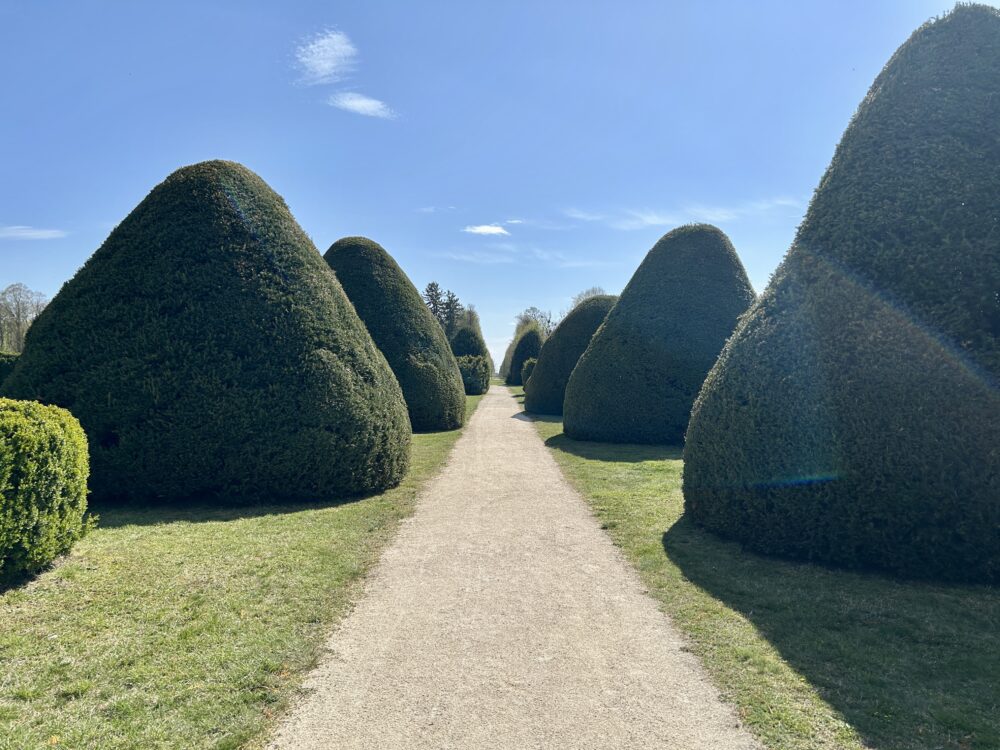
While English gardens embraced naturalistic elements, the French formal garden remained a dominant force in European landscape design. Versailles, the epitome of aristocratic grandeur, set the standard for symmetry, precision, and opulence. Its geometric flower beds, sculpted topiaries, and vast avenues became a model for royal and noble estates across the continent.
Schönbrunn Palace in Vienna followed this tradition, incorporating perfectly aligned pathways, ornamental fountains, and lush greenery. Similarly, Esterházy Palace in Fertőd, often referred to as the “Hungarian Versailles,” showcased meticulously shaped trees, grand parterres, and elegant garden pavilions, reflecting the widespread admiration for aristocratic landscape artistry.
The Enduring Legacy of Aristocratic Gardens
The gardening traditions of English aristocrats left an indelible mark on European landscape design. Whether through the structured elegance of Versailles, the natural beauty of English estates, or the harmonious grandeur of Schönbrunn and Esterházy, these gardens continue to captivate visitors.
#HistoricGardens #LandscapeDesign #AristocraticElegance #EuropeanHeritage #GardenHistory