The Basalt Blocks That Mean Business
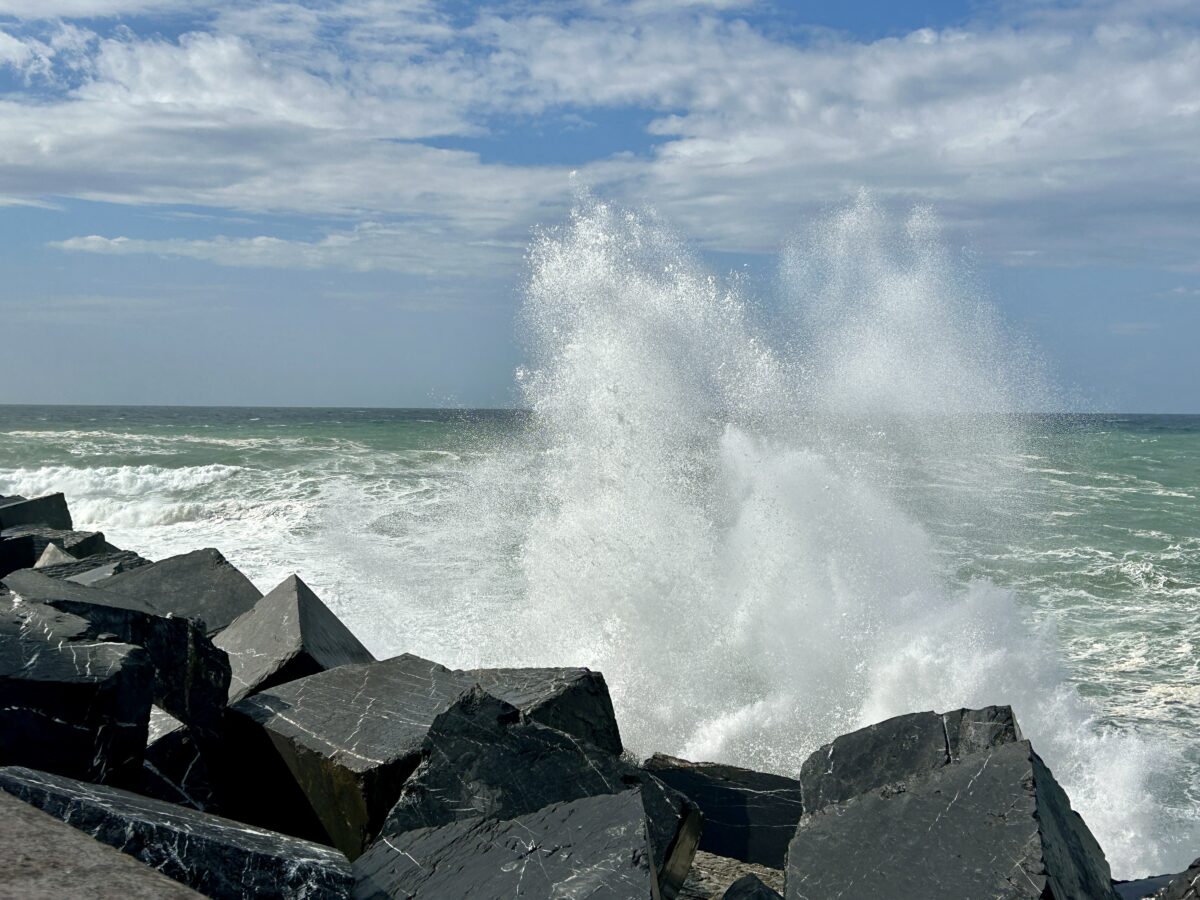
If you’ve ever strolled along the seafront in San Sebastián, Spain, you’ve probably noticed the massive, geometric rocks stacked like a giant’s forgotten Jenga game. These aren’t your average seaside pebbles. They’re big, bold, and suspiciously uniform. That’s because they’re not entirely natural. These are artificial basalt blocks, and they’re here to do one thing: stop the ocean from throwing a tantrum.
The coast of San Sebastián is stunning. Think golden beaches, dramatic cliffs, and waves that look like they’ve had one too many espressos. But beauty comes with baggage. The Bay of Biscay is not known for being a gentle neighbour. It’s more of a moody roommate who occasionally floods your living room.
A Coastline with Character (and a Bit of Chaos)
San Sebastián sits at the mouth of the Urumea River, which sounds lovely until you realise it’s basically a welcome mat for storm surges. The city’s beaches, like the famous La Concha and Zurriola, are postcard-perfect. But behind those sandy smiles lies a history of watery drama.
The sea has never been shy about reminding San Sebastián who’s boss. Over the years, the city has faced serious flooding threats. Rising sea levels and storm surges have made urban planners sweat more than a tourist climbing Mount Urgull in August.
When the Ocean Throws a Wobbly
Let’s talk inundations. San Sebastián has had to deal with the kind of coastal flooding that makes you rethink your choice of ground-floor living. Some neighbourhoods are protected up to a five-metre water level increase. That’s not a typo. Five metres.
To deal with this, the city has embraced a mix of natural topography and human stubbornness. Enter the basalt blocks. These chunky guardians line the shore, absorbing wave energy and giving the sea something to chew on besides the promenade.
The Great Wall of San Sebastián
The basalt formations might look like abstract art, but they’re all business. They’re designed to break up wave energy before it can crash into the city like an uninvited guest at a pintxo party. It’s a bit like giving the ocean a padded wall to punch when it’s in a mood.
Some say the blocks are ugly. Others say they’re brilliant. Either way, they’re effective. And let’s be honest, if you had to choose between a slightly odd-looking coastline or your flat turning into an indoor pool, you’d probably go with the rocks.
A City That Fights Back (With Style)
San Sebastián hasn’t just sat back and hoped for the best. It’s invested in terrain analysis, flood mapping, and clever engineering. The city’s planners have used high-resolution elevation data to figure out where the water might go next. Spoiler: it’s usually somewhere inconvenient.
But despite the challenges, the city remains one of the most beautiful coastal spots in Europe. It’s a place where you can surf in the morning, eat Michelin-starred food at lunch, and admire some very determined rocks in the afternoon.