The Great Speed Debate
Electric cars have been catching heat for their charging times. People love to point out how long it takes to top up a battery compared to filling a tank with petrol. But before we hand petrol the gold medal, let’s take a closer look at what “fast” really means.
No Single European Standard
Europe, in all its bureaucratic glory, hasn’t agreed on a single rule for how quickly fuel should flow. Each country does its own thing. Some are generous with their flow rates. Others seem to think refuelling should be a meditative experience.
Luxembourg Leads the Pack
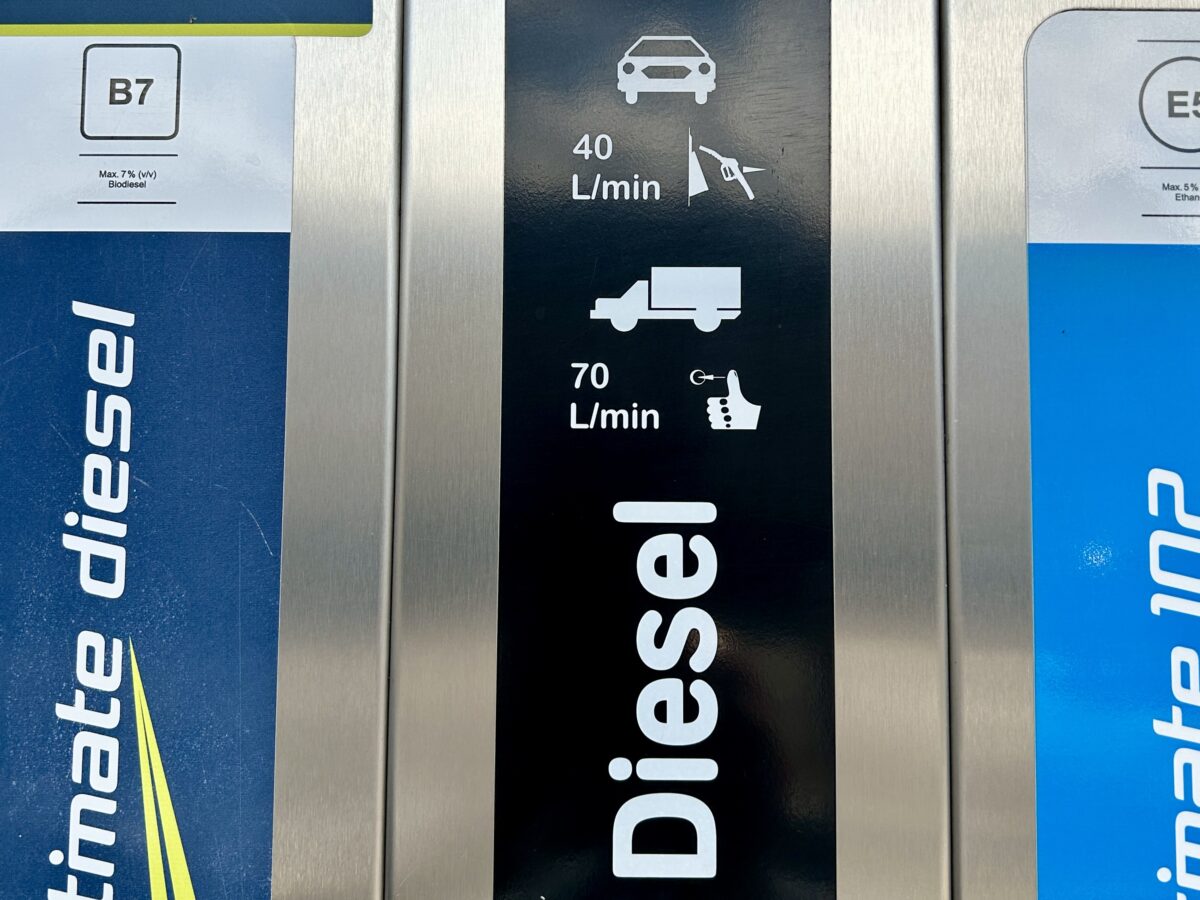
Luxembourg is the teacher’s pet in this story. It allows up to 40 litres per minute for cars and 70 litres per minute for trucks. That’s fast enough to make you feel like you’re in a race. You can fill up and still have time to grab a pastry before your mate finishes plugging in their EV.
Slower Pumps Across the Continent
Now take a scenic drive to southern or eastern Europe and things slow down. Some stations there offer just 20 to 30 litres per minute.
Safety Over Speed
European standards do exist, but they focus more on safety and environmental concerns than speed. EN 13617 and EN 16321-2 deal with dispenser safety and vapour recovery. Directive 2009/126/EC mandates vapour recovery at the pump. None of these say “make it fast”. So while petrol refuelling is usually quicker, it’s not always lightning fast. Especially if you’re stuck behind someone who’s decided to clean every window on their car like it’s a religious ritual.
Electric Charging Is Catching Up
Yes, some EVs take ages on a slow charger. But ultra-fast chargers are getting better. Some can add hundreds of kilometres in under 20 minutes. That’s not bad, especially if you’re stretching your legs or pretending to enjoy overpriced motorway coffee.