Why Luxembourg’s sheep are the ultimate snowflakes (and not in the bad way)
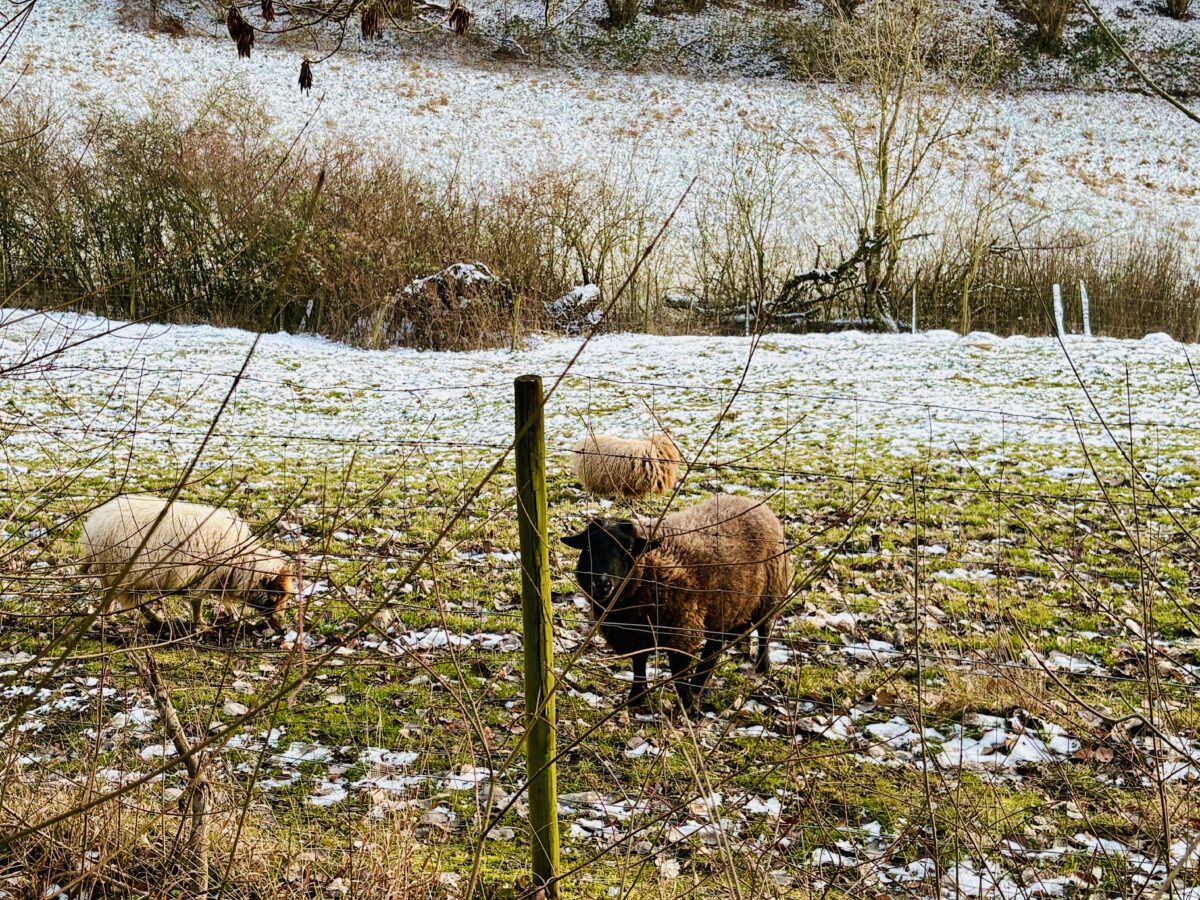
In most places, winter means sheep huddled in barns wrapped in more layers than a tourist in Antarctica. Not in Luxembourg. Here, sheep are out on the meadows, munching away like it’s a balmy spring day. The secret? Centuries of breeding for cold resistance. These woolly rebels don’t just survive winter. They thrive in it.
Luxembourg’s climate is no joke. True, winters are not as harsh as in some challenging corners of the globe, but temperatures can still dip below freezing and occasional snow can blanket the fields. Yet, the local sheep breeds, like the hardy Merino or the robust Luxembourgish sheep, are built for it. Their thick wool coats are nature’s answer to thermal underwear. Farmers don’t need to panic about frostbite or hypothermia. The sheep are too busy being the ultimate low-maintenance pets.
Winter farming: less drama, more common sense
Winter farming in Luxembourg isn’t about battling the elements. It’s about working with them. While other countries might spend fortunes on heated barns and artificial feed, Luxembourg’s farmers keep it simple. The sheep stay outside, grazing on whatever the land offers. It’s a system that’s efficient, sustainable and, let’s be honest, a lot less fuss.
Of course, it’s not all sunshine and snowball fights. Farmers still need to ensure the sheep have access to fresh water and shelter from the worst storms. But compared to the high-tech solutions elsewhere, Luxembourg’s approach is refreshingly straightforward. No overcomplicated gadgets. No unnecessary stress. Just sheep doing what they’ve done for generations.
The environmental perks of letting sheep be sheep
There’s a reason why this method is more than just tradition. It’s good for the planet. Keeping sheep outdoors year-round reduces the need for energy-guzzling indoor facilities. It also means less reliance on imported feed, cutting down on the carbon footprint. In a world obsessed with sustainability, Luxembourg’s winter farming is quietly leading by example.
And let’s not forget the soil. Sheep grazing in winter helps maintain the land’s health. Their hooves aerate the soil while their droppings act as natural fertiliser. It’s a win-win for everyone except maybe the worms. But hey, survival of the fittest.