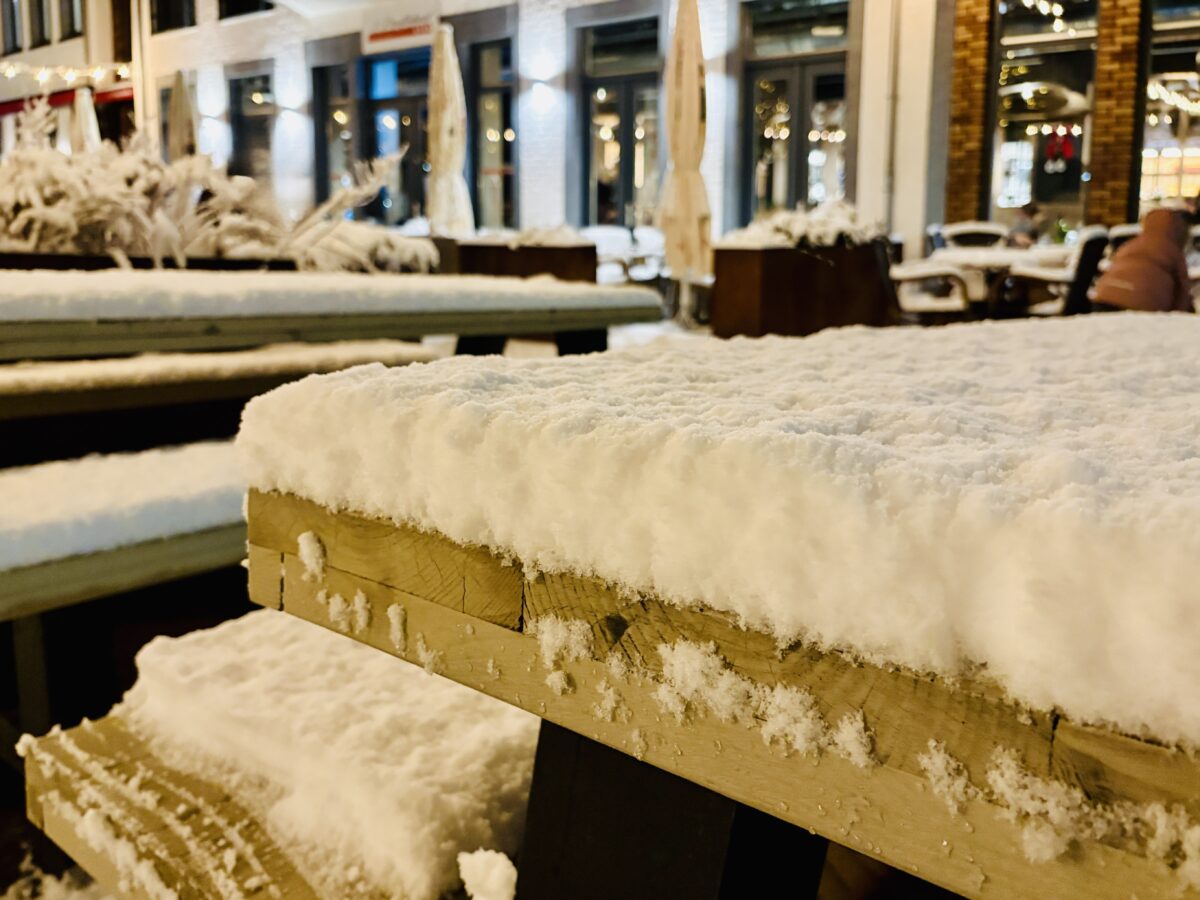
Why measuring snow is not as simple as it looks
When snow falls, the first thing everyone wants to know is: how much? It seems straightforward. Grab a ruler, stick it in the snow, and announce the depth like you’re presenting the weather on TV. But meteorologists don’t just wing it. There are rules. There are standards. There’s even a bit of bureaucracy involved.
If you’ve ever shovelled snow, you know it’s not all the same. Some snow is light and fluffy, like powdered sugar. Other snow is heavy and wet, like a soggy sponge. And that’s why measuring it properly matters more than you’d think.
The official way: Snow boards and the art of precision
Meteorologists use something called a snow board. No, it’s not for shredding down a mountain. It’s a flat, white board placed on the ground before the snow starts falling. When the snow accumulates, a meteorologist (or a very dedicated volunteer) heads outside with a ruler and measures the depth at several points on the board. They then take the average of those measurements to get the official snow depth.
Why a board? Because snow doesn’t fall evenly. Wind, trees, and even the heat from buildings can create drifts or patches where the snow is deeper or shallower. The board provides a flat, uniform surface, so the measurement isn’t skewed by the lumpiness of your lawn.
The rules: No cheating, no guessing
There are strict guidelines for measuring snow. For example, you can’t just measure it once and call it a day. Snow depth is typically recorded every six hours during a storm. That’s because snow can compact over time, especially if it’s warm or rainy. What was 10 centimetres of fluffy snow in the morning might be 6 centimetres of slush by the afternoon.
Another rule: you don’t measure snow on grass. Grass blades can poke through the snow, making it seem shallower than it is. You also avoid measuring near fences, buildings, or trees, where snow might pile up unnaturally. The goal is to get a measurement that represents what’s actually falling from the sky, not what’s being blown around by the wind.
The melt factor: Why snow depth isn’t the same as water content
Here’s where it gets really interesting. Snow depth tells you how tall the snow is, but it doesn’t tell you how much water is in it. That’s why meteorologists also measure something called the snow water equivalent (SWE). This is the amount of water you’d get if you melted all the snow in a given area.
To measure SWE, meteorologists use a special tool called a snow pillow or a snow core sampler. A snow pillow is basically a giant scale that weighs the snow as it accumulates. A snow core sampler is a tube that’s pushed into the snow to extract a sample, which is then melted to measure the water content.
This is crucial for predicting floods, managing water resources, and generally understanding how much of a mess the snowmelt is going to cause in spring.
Why your backyard measurement is probably wrong
Let’s be honest. Most of us measure snow by sticking a ruler into a drift near the back door and declaring it the “official” depth for our WhatsApp group. But as we’ve seen, that’s not how the pros do it. Your measurement is probably off for a few reasons.
First, you’re likely measuring in a spot where snow has piled up or blown away. Second, you’re probably not accounting for compaction. And third, unless you’re melting that snow to measure the water content, you don’t really know how “significant” the snowfall was.
But hey, at least your method is quicker. And let’s face it, no one’s making life-changing decisions based on your snow updates.
The bigger picture: Why accurate snow measurement matters
Precise snow measurements aren’t just for bragging rights. They’re vital for everything from weather forecasting to climate research. Snow depth affects road conditions, aviation safety, and even agriculture. Too much snow can bury crops or collapse roofs. Too little can lead to droughts when the snowmelt doesn’t replenish rivers and reservoirs.
In a world where weather patterns are becoming more extreme, understanding snowfall is more important than ever. So next time you see a meteorologist crouched over a snow board with a ruler, give them a nod of respect. They’re not just playing in the snow. They’re doing science.