Crossing the Atlantic Like It’s 1830
In the early 1830s, sailing across the Atlantic was less about sipping cocktails on deck and more about surviving a 25 to 30-day trip. That’s nearly a month of ocean views and not a single Instagram filter in sight.
Enter Steam Power and a Speed Boost
By 1845, steamships entered the picture and suddenly the Atlantic didn’t seem quite so endless. Travel times dropped to about ten days. Still long enough to regret every fashion choice you packed, but a vast improvement.
Fast forward to just before the First World War and voilà: under six days to get to New York. Transatlantic voyages had officially upgraded from slog to semi-sprint.
The Rise of the Fancy Traveller
With travel times dropping, the upper crust decided crossing oceans wasn’t just practical — it was stylish. By the 1890s, steamship voyages became the new chic thing to do. Think more “floating hotel” and less “watery ordeal.”
Luggage Fit for Aristocrats
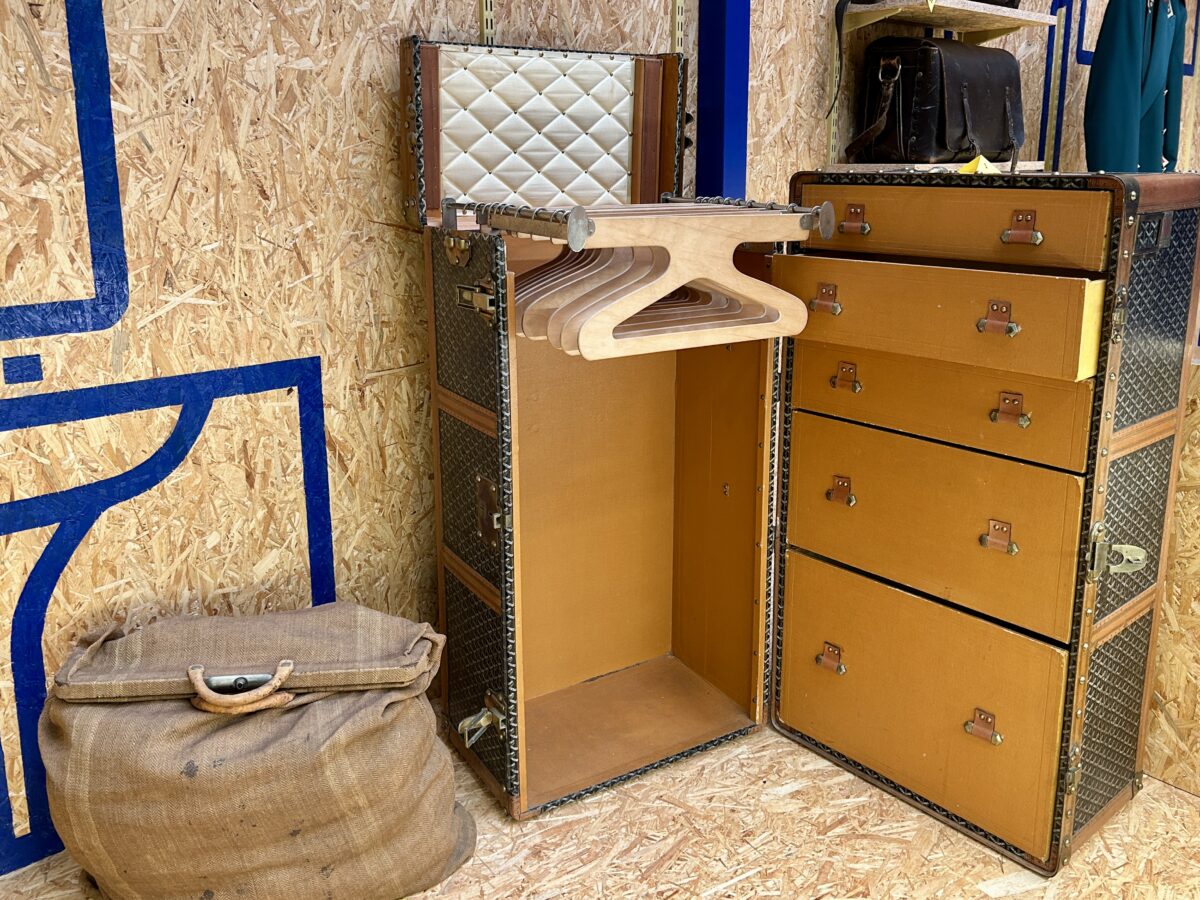
Enter the malle-armoire, or wardrobe trunk. Basically a posh portable closet. It opened vertically with one side for hanging your immaculate garments and the other for neatly folded delicacies. Because folding your frocks into a satchel? Don’t be ridiculous.
Then there was the malle-cabine. Smaller, more discreet, and designed to slide under your bed. With a max height of 38 cm, it had to be both compact and capable of storing an indecent number of hats.
From Steamers to the Museum
These glorious trunks are now resting comfortably at the Musée du bagage in Haguenau, France. A fitting retirement for such well-travelled companions. The museum celebrates a time when travel was slower, posher, and frankly, more theatrical.
Travel, Then and Now
Next time you’re cramming a backpack under the seat in front of you, just remember your luggage lacks a built-in wardrobe because nobody thinks you’re bound for a ballroom. And whatever you do, don’t complain. Your travel ancestors did it all without Wi-Fi, podcasts, or salted caramel lattes. The horror.