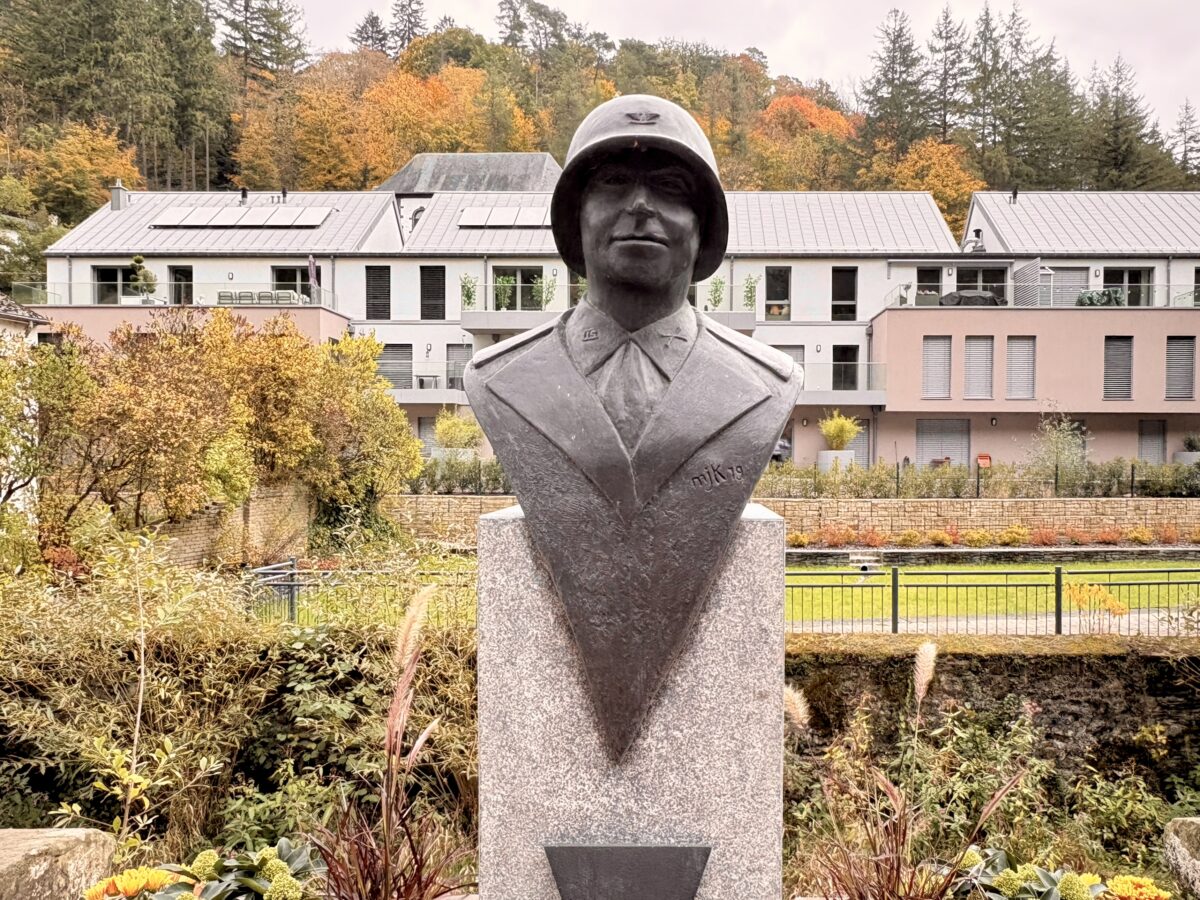
The man behind the statue
Colonel Hurley E. Fuller was not born to be a statue. He was born in the United States in 1895 and lived a fairly ordinary life before the Second World War. He studied, worked, and eventually joined the army. By the time the war came, he had already built a career as a professional soldier. He was not a celebrity, not a politician, but a man who believed in duty.
The Battle of Clervaux
On 16 December 1944 the German army launched its surprise Ardennes offensive. The town of Clervaux in northern Luxembourg became one of the first battlegrounds. Fuller commanded the 110th Infantry Regiment of the 28th Division. His men were outnumbered and outgunned. Yet he ordered them to hold the town. For two days they resisted, fighting from the castle and the streets. It was hopeless but heroic. Fuller was eventually captured and became a prisoner of war.
Why the statue stands there
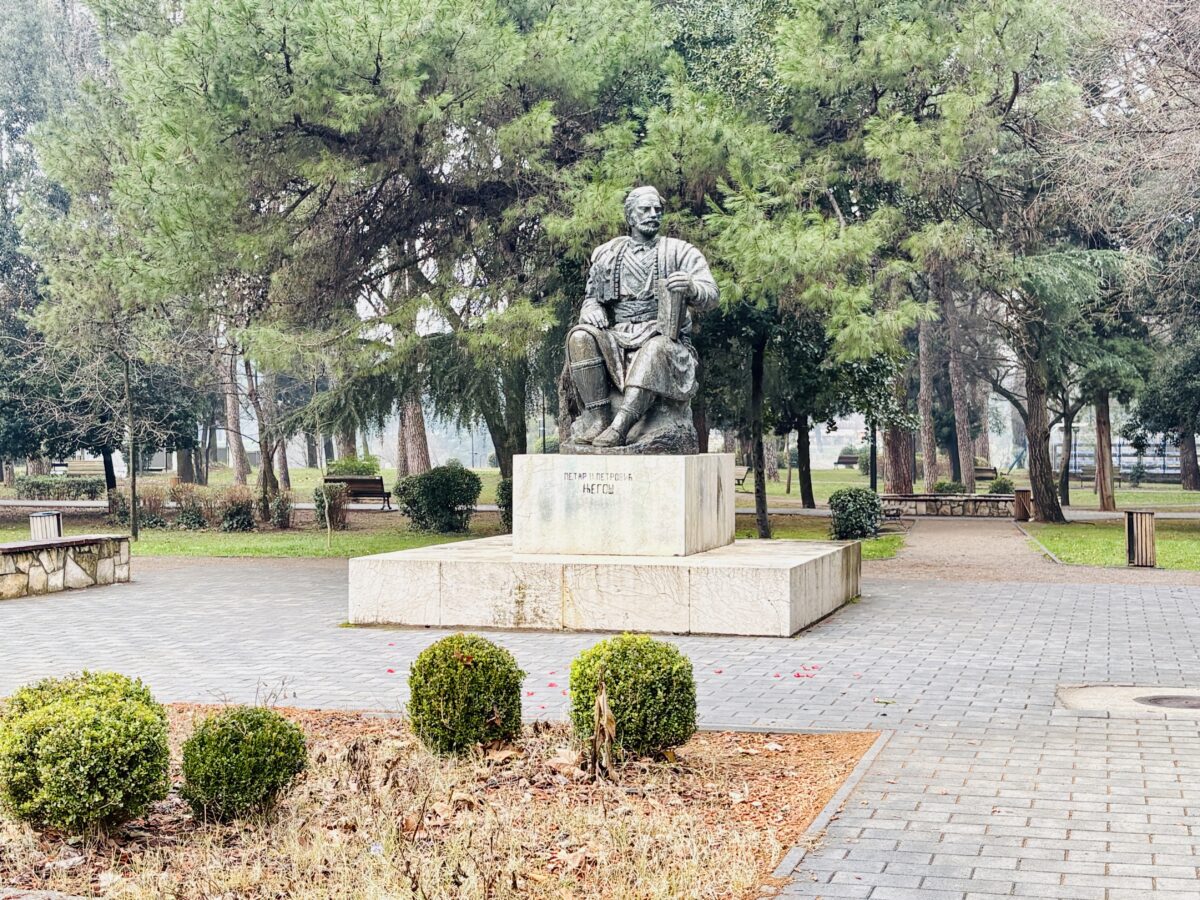
The statue in Clervaux honours Fuller because he symbolises resistance. He and his regiment delayed the German advance long enough to give the Allies time to regroup. It was not a victory but it mattered. The bust on Rue de la Gare reminds visitors that courage is not always about winning. Sometimes it is about refusing to give up even when the odds are absurd.
His life before and after
Before the war Fuller was a career officer. He had served in the US army for years and was respected for his discipline. After the war he returned home, continued his service and lived a quieter life. He did not become famous, he did not write memoirs, he simply carried on. He died in 1983, remembered mostly by those who knew the story of Clervaux.
Why 16 December matters
The date on the statue is not random. It marks the day the Battle of the Bulge began and the day Fuller and his men stood their ground in Clervaux. Every year on 16 December Luxembourg remembers that moment. It is not just about Fuller but about all the soldiers who fought and fell in those freezing days.
One might say statues are a strange way to honour people. Fuller himself probably would have preferred a quiet retirement without pigeons sitting on his bronze head. Yet the monument serves a purpose. It keeps the memory alive and forces passers-by to ask why this man is here.