A cup of history
Julius Meinl is not just a café. It is a full-blown institution with a caffeine addiction and a flair for drama. Founded in 1862 in Vienna, it started as a humble grocery shop. But Meinl had bigger dreams. By 1877, he was roasting coffee using steam instead of open fire. Revolutionary stuff at the time. Probably caused a few raised eyebrows and burnt fingers.
The brand quickly became a favourite in the Austro-Hungarian Empire. Aristocrats, artists and anyone with a decent moustache sipped Meinl coffee while discussing politics or pretending to understand poetry. It was the drink of choice for those who liked their caffeine with a side of culture.
From empire to espresso
As the empire crumbled, Julius Meinl stayed strong. The company expanded its coffee empire across Central Europe. By the early 20th century, it was roasting thousands of tonnes of beans annually. The red-hatted logo became a symbol of quality and mild snobbery.
Today, Julius Meinl operates in over 70 countries. It supplies more than 40,000 customers worldwide. That includes cafés, hotels, restaurants and probably a few places that just want to look fancy. The company produces over 17,000 tonnes of coffee per year. That’s enough to keep several small nations awake indefinitely.
The brand is still headquartered in Vienna, which is fitting. It’s like keeping your eccentric aunt in the family home. Nostalgic, slightly chaotic, but undeniably charming.
Marketing with flair (and flowerpots)
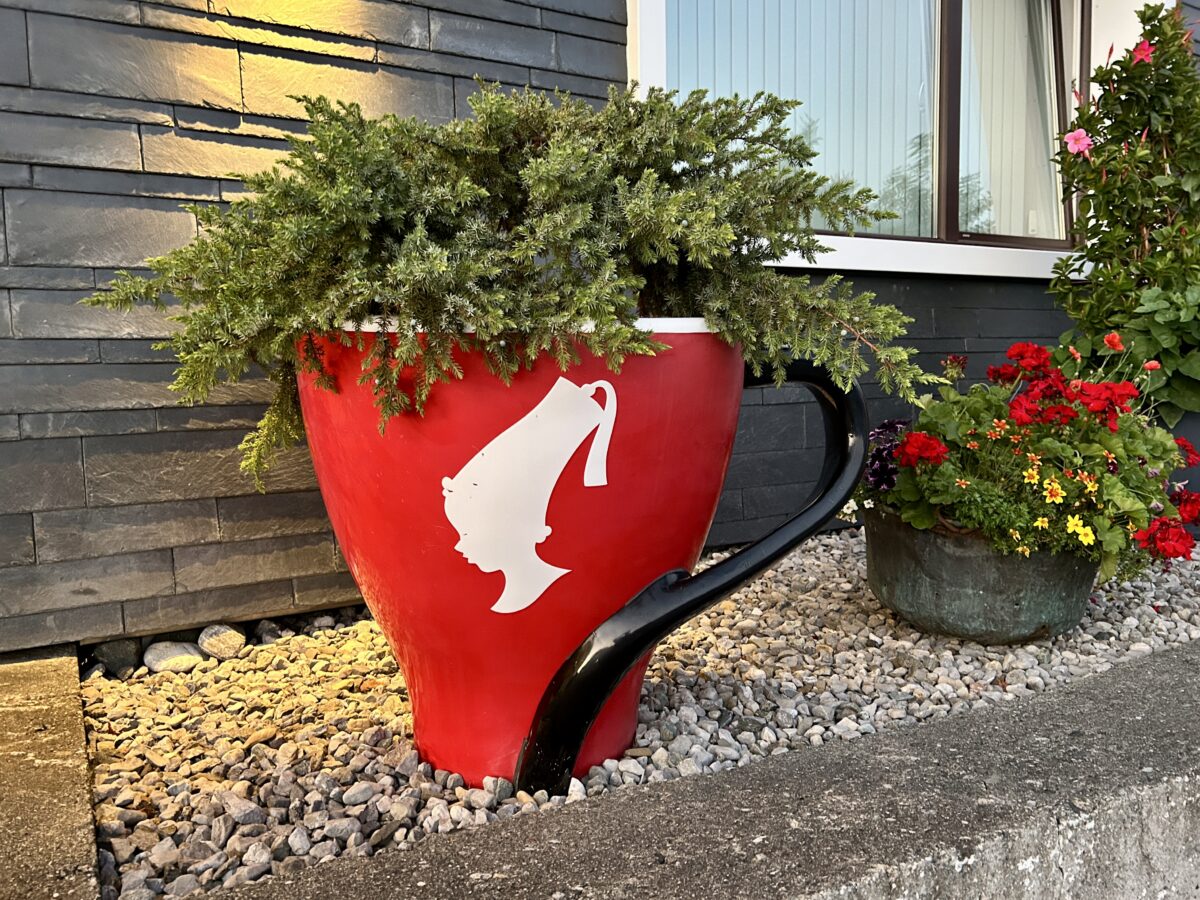
Julius Meinl is not shy when it comes to branding. The logo, a boy in a fez, has become iconic. It’s printed on cups, tins, posters and, in one particularly creative case, used as a plant pot. Yes, in front of a hotel in Vorarlberg, someone decided that a giant Julius Meinl coffee cup would make an excellent flower holder. And honestly, they were right.
This kind of branding is clever. It turns a coffee company into a cultural reference. You don’t just drink Julius Meinl. You experience it. Or at least you pretend to while taking a photo of your cappuccino.
Austrian roots with global reach
Despite its international spread, Julius Meinl remains proudly Austrian. It is steeped in Viennese coffeehouse tradition, which means it takes itself just seriously enough. The company still promotes the idea of the café as a place for reflection, conversation and mild existential dread.
It is also one of the few brands that can genuinely claim a link to the Austro-Hungarian Monarchia. While the empire is long gone, the coffee culture it inspired lives on. Julius Meinl is like the last surviving member of a royal family. A bit eccentric, slightly nostalgic, but still very much in business.