The Poet Who Preferred Paris to Paprika
Endre Ady was not one to settle for the ordinary. Born in 1877, he quickly outgrew the provincial life of Hungary and set his sights on something more thrilling. Enter Paris. The city of lights, love and existential crises. Ady visited Paris seven times between 1904 and 1911, which is quite a lot considering he wasn’t there for the shopping.
He followed his muse, Léda, a married woman with a taste for poetry and drama. Their relationship was intense, complicated and perfect for fuelling Ady’s creative fire. Paris became his escape, his inspiration and his literary playground. It was also where he learned to sulk in style.
Symbolism and Sultry Boulevards
Ady was heavily influenced by French Symbolist poets like Baudelaire and Verlaine. He didn’t just admire them. He absorbed their gloom, their flair and their fondness for metaphors that made no immediate sense. His poetry became layered, moody and unapologetically complex.
Paris gave him the freedom to write about death, love, God and politics without worrying about being censured. He became a correspondent for Hungarian papers, wrote essays and churned out poems that made traditionalists clutch their pearls and modernists cheer.
Autumn Passed Through Paris
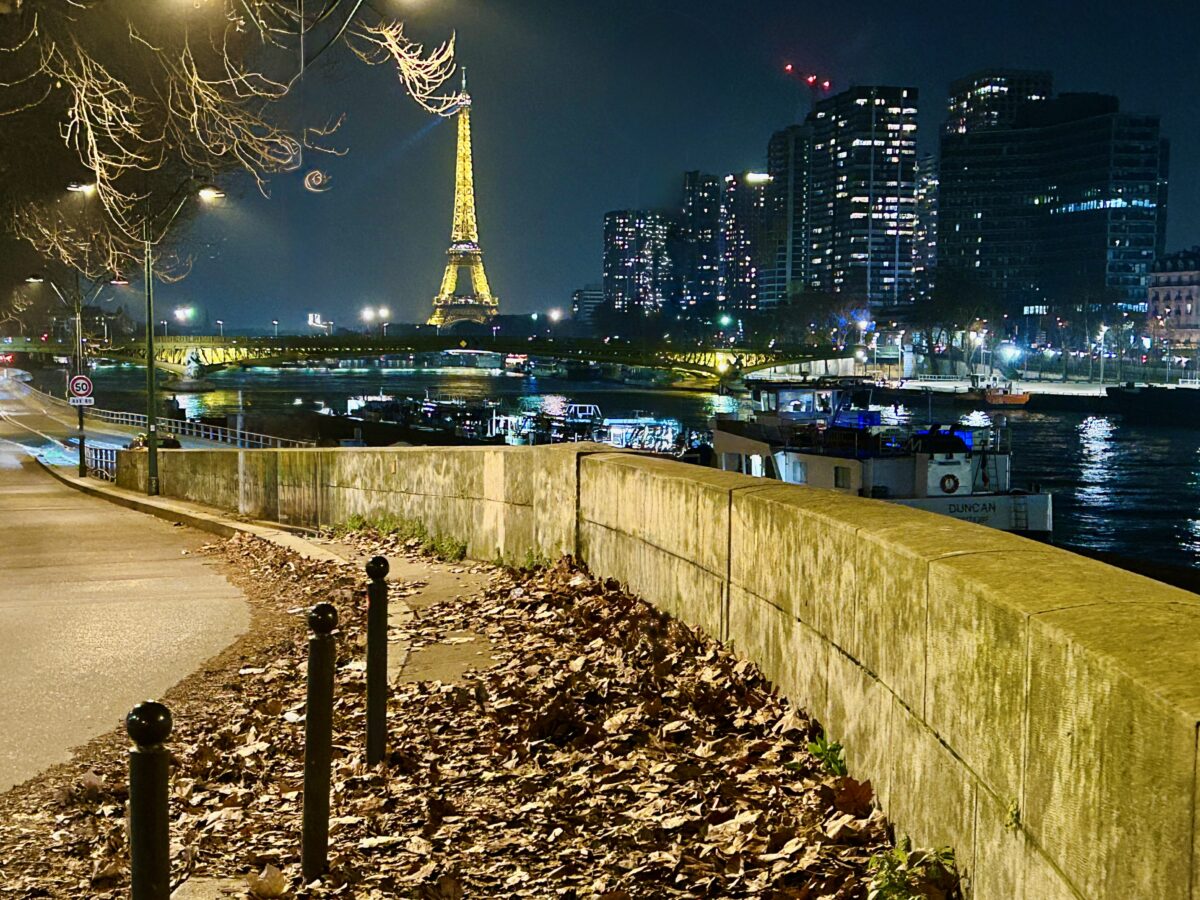
One of Ady’s most haunting poems from this period is “Autumn Passed Through Paris”. It is quiet, reflective and full of poetic sighing. Here’s a beautiful English translation by Doreen Bell:
Autumn slipped into Paris yesterday,
came silently down Boulevard St Michel,
In sultry heat, past boughs sullen and still,
and met me on its way.As I walked on to where the Seine flows by,
little twig songs burned softly in my heart,
smoky, odd, sombre, purple songs.
I thought they sighed that I shall die.Autumn drew abreast and whispered to me,
Boulevard St Michel that moment shivered.
Rustling, the dusty, playful leaves quivered,
whirled forth along the way.One moment: summer took no heed:
whereon, laughing, autumn sped away from Paris.
That it was here, I alone bear witness,
under the trees that moan.
It’s not exactly cheerful. But it’s beautiful. Ady turns a walk through Paris into a meditation on mortality, memory and the fleeting nature of seasons and feelings. The poem is a perfect example of how he blended Hungarian soul-searching with Parisian elegance.
Back Home, Not Everyone Was Impressed
When Ady returned to Hungary, he brought with him a new style and a new attitude. His anthology “New Poems” caused a literary scandal. People were outraged by the erotic undertones, the lack of patriotic fluff and the general sense that Ady had become too French for his own good.
He was accused of being unpatriotic, immoral and possibly possessed. But he didn’t care. He had walked with autumn in Paris. He had written poetry that mattered. He was not going back to rhyming about wheat fields.
A Legacy Worth the Drama
Ady died on 27 January 1919, worn out by illness and the general nonsense of the world. But his legacy lives on. He dragged Hungarian poetry into the modern age, kicking and screaming. He gave it depth, complexity and a touch of Parisian melancholy.
So on 27 January 2026, let’s remember the man who met autumn on Boulevard St Michel and turned it into poetry. He may have been difficult, dramatic and occasionally insufferable. But he was brilliant. And he made poetry feel like a whispered secret under moaning trees.