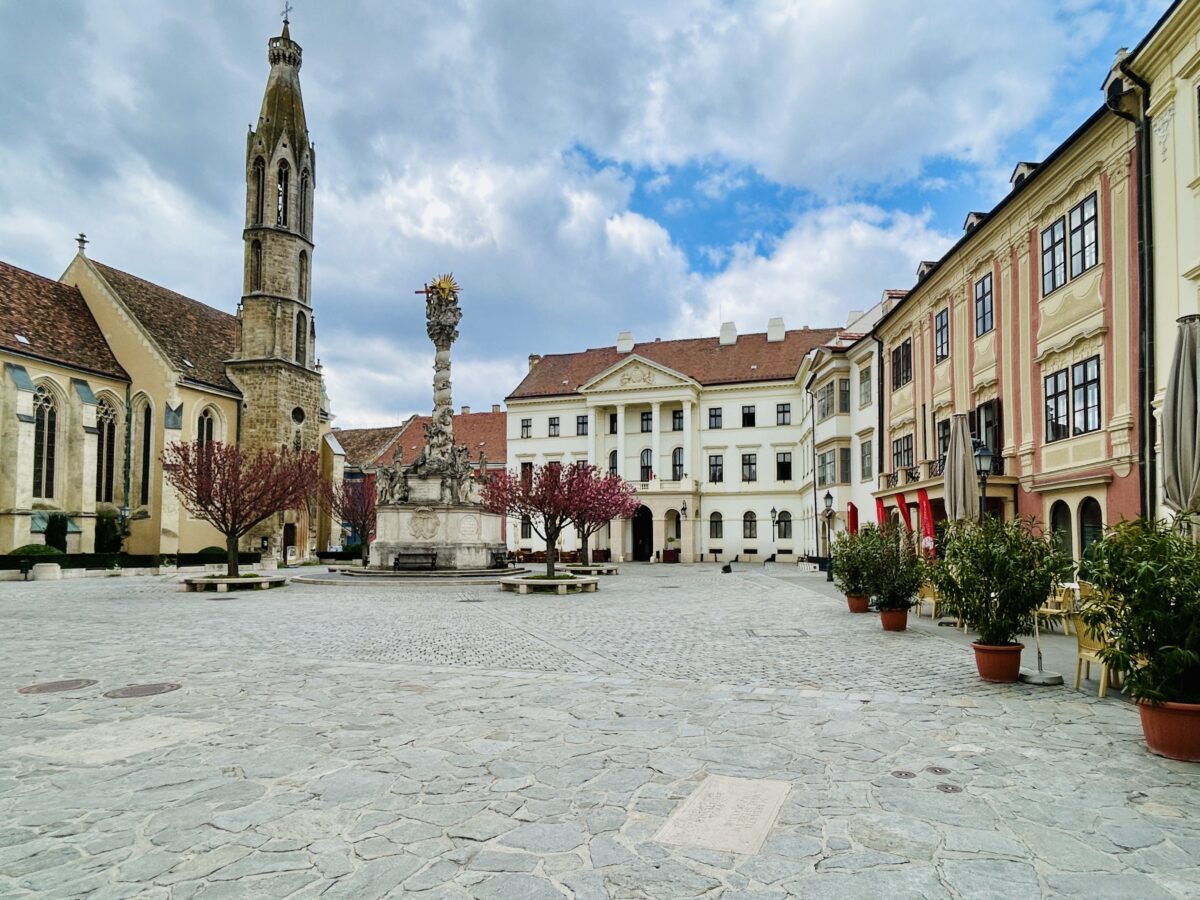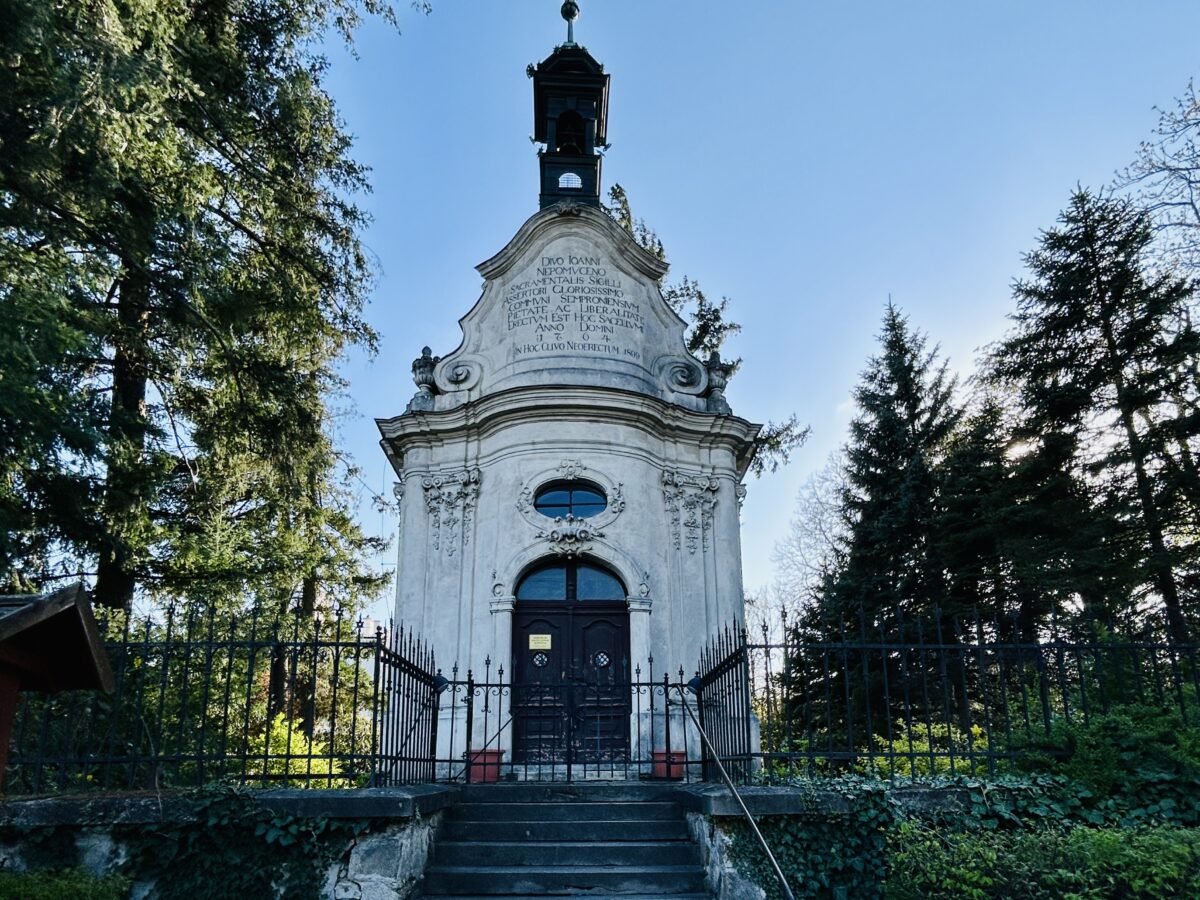
Sopron in Hungary is a city rich in history, but among its grand towers and medieval streets lies a lonely and beautiful chapel—a small yet remarkable survivor of time. Originally constructed in 1764 near the Fire Tower in the old town of the city, this baroque masterpiece is a testament to both devotion and determination.
A Tribute to Saint John of Nepomuk
The chapel is dedicated to Nepomuki Szent János, known in English as Saint John of Nepomuk. Born in the 14th century in Bohemia (modern-day Czechia), he became a prominent priest and vicar-general in Prague. His life, however, ended in tragedy when he was drowned in the Vltava River under the orders of King Wenceslaus IV. According to legend, the conflict arose because John refused to betray the confession of the queen, thus becoming the ultimate symbol of religious integrity and the sanctity of the confessional seal.
Over the centuries, Saint John of Nepomuk was venerated as the patron saint of confessors and a protector against floods. His relics were distributed across many places of worship, including Sopron. A genuine relic of the saint remains enshrined within this chapel, authenticated by documents from the canon of Prague’s St. Vitus Cathedral.
The Chapel’s Journey Through Time
At the time of its construction, the chapel was an integral part of the growing urban fabric of Sopron. The houses around it followed the jagged line of the former defensive walls, creating a distinctive arrangement in the neighbourhood.
However, in the late 19th century, a surprising revelation reshaped the city’s historical landscape. When foundations were laid for the new town hall, significant Roman-era artefacts from ancient Scarbantia were unearthed beneath the houses of the area, including beneath the chapel itself. This discovery led to extensive excavations, which meant the removal of several buildings, including the Nepomuki Szent János Chapel.
A Determined Reconstruction
The loss of such a treasured place of worship was not an option for the people of Sopron. In an impressive act of preservation, the chapel was dismantled piece by piece, with each brick and carved element carefully numbered. It was then relocated and rebuilt outside the city center, preserving its original form.
Today, its striking curved façade continues to display Latin inscriptions marking both its original construction and its later reconstruction. The chapel remains an enduring symbol of Sopron’s commitment to safeguarding its religious and historical heritage.